
Introduction
Labour is one of the most physically demanding processes the human body can experience. While most people associate labour with contractions and pain, there are many additional physiological responses that can occur—one of the most distressing for some women is vomiting.
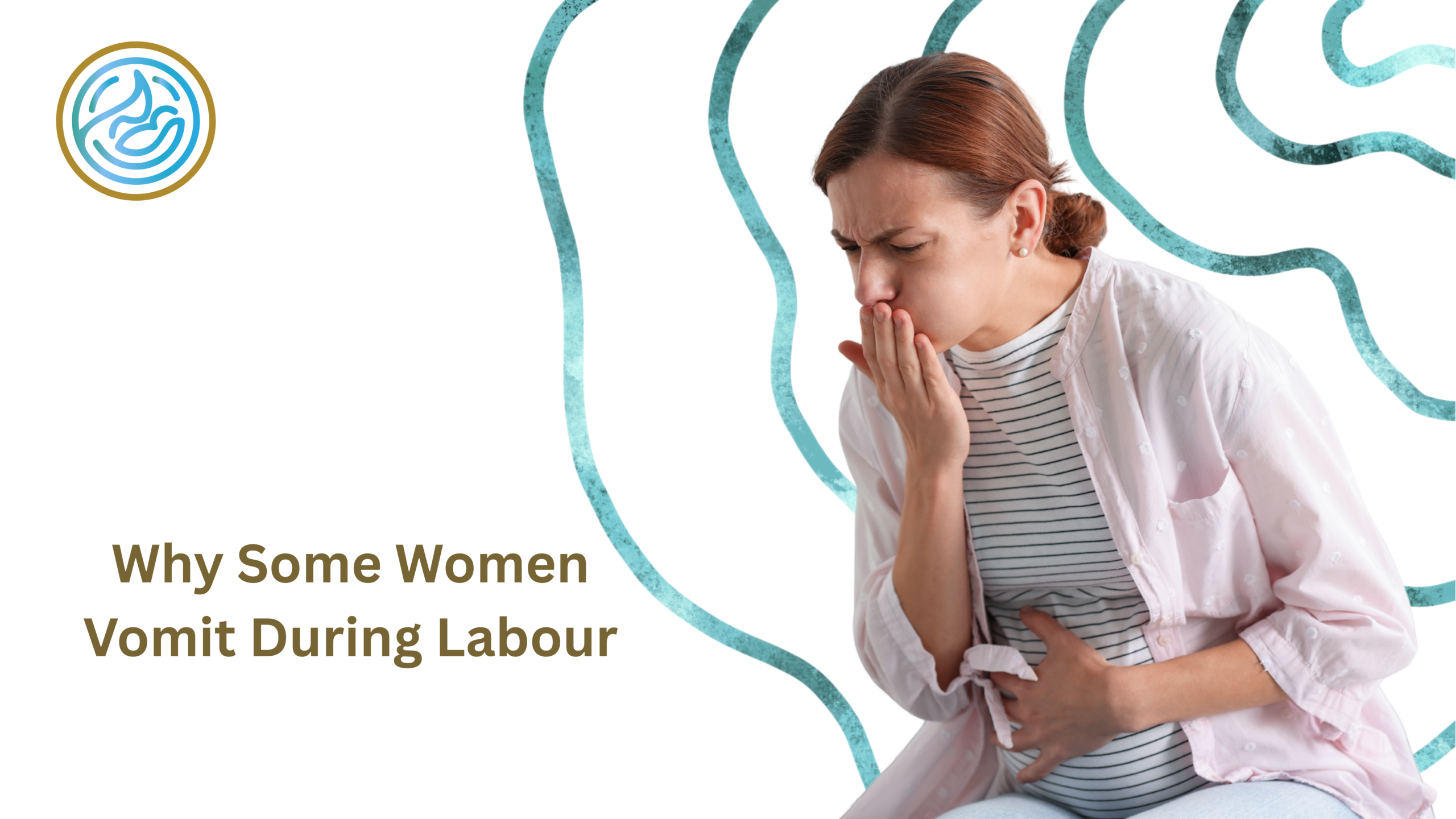
Vomiting during labour is more common than many expect and can occur at different stages, from early labour through to delivery. For some women, it is occasional and mild. For others, it can be frequent and exhausting, adding to the intensity of an already challenging experience.
Although it can feel alarming, vomiting during labour is often a normal response to the complex hormonal, neurological, and physical changes taking place in the body. Understanding why it happens can help reduce fear and provide reassurance that it is usually not a sign of complication.
What Happens to the Body During Labour?
Labour is a coordinated process involving:
- Uterine contractions
- Cervical dilation
- Hormonal surges
- Nervous system activation
The body undergoes intense physiological stress as it prepares for childbirth. Multiple systems interact simultaneously, including the digestive system, which is often affected.
The Role of Hormones in Labour
Several hormones rise dramatically during labour:
Oxytocin
- Drives uterine contractions
- Intensifies labour progression
Prostaglandins
- Help soften the cervix
- Stimulate contractions
Adrenaline and Noradrenaline
- Increase during stress and pain
- Activate the “fight-or-flight” response
These hormonal fluctuations can directly affect the stomach and nausea centres in the brain.
Why Vomiting Happens During Labour
Vomiting during labour is usually caused by a combination of factors:
- Hormonal changes
- Pain intensity
- Stress response
- Gastrointestinal slowing
- Nervous system activation
Each factor contributes to nausea in different ways.
The Brain–Gut Connection
The digestive system is closely linked to the brain through the:
Vagus Nerve
This nerve regulates:
- Digestion
- Nausea reflex
- Gut motility
During labour, strong nerve signals from pain and contractions can trigger nausea and vomiting.
Pain and Nausea Relationship
Intense pain stimulates the sympathetic nervous system.
This can lead to:
- Nausea
- Vomiting
- Sweating
- Dizziness
The body’s pain response and nausea pathways overlap significantly.
Why Labour Slows Digestion
During labour:
- Blood flow is redirected to the uterus
- Digestive activity slows down
- Stomach emptying becomes delayed
This can cause:
- Fullness
- Nausea
- Increased likelihood of vomiting
Symptom Checklist: Common Labour-Related Nausea Symptoms
✓ Nausea during contractions
✓ Vomiting in early or active labour
✓ Sweating episodes
✓ Shaking or chills
✓ Loss of appetite
✓ Sensitivity to smells
✓ Dizziness
Why Vomiting Can Occur at Different Stages
Vomiting may occur:
Early Labour
Due to anxiety and hormonal shifts
Active Labour
Due to stronger contractions and pain
Transition Phase
Often the most intense stage, with highest likelihood of vomiting
Delivery Phase
Due to pressure and exhaustion
The Transition Phase and Vomiting
The transition phase is the most intense stage of labour.
It is associated with:
- Rapid cervical dilation
- Strong contractions
- Emotional overwhelm
Vomiting during this phase is common and often seen as a sign that labour is progressing.
Why Smell Sensitivity Increases
During labour, women may become highly sensitive to smells.
Strong odours may trigger:
- Nausea
- Vomiting reflex
- Discomfort
This is due to heightened sensory processing during stress.
The Role of Adrenaline
Adrenaline rises during intense labour.
While helpful for:
- Energy
- Alertness
it can also:
- Slow digestion
- Trigger nausea
- Increase vomiting risk
Is Vomiting During Labour Normal?
Yes, in many cases it is completely normal.
Vomiting can be a physiological response to:
- Pain
- Hormonal changes
- Stress
- Physical exertion
It does not automatically indicate a complication.
When Vomiting May Be More Likely
Certain factors increase the likelihood:
- First-time labour
- Prolonged labour
- Strong contractions
- Use of pain medications (in some cases)
- High stress levels
- Dehydration
Vomiting vs Dehydration Risk
While vomiting is often normal, excessive vomiting can lead to dehydration.
Signs of concern include:
- Dry mouth
- Reduced urination
- Dizziness
- Weakness
Hydration support may be needed.
Normal Vomiting vs Concerning Symptoms
| Normal Labour Vomiting | Concerning Symptoms |
|---|---|
| Occasional vomiting | Persistent uncontrollable vomiting |
| Occurs during contractions | Vomiting with fever |
| Temporary nausea | Severe abdominal pain unrelated to contractions |
| Improves between stages | Signs of infection or illness |
How Pain Relief Affects Nausea
Some forms of pain relief may influence nausea:
Epidural
May reduce pain-related nausea in some women.
Opioid Medications
Can sometimes increase nausea as a side effect.
Responses vary between individuals.
Emotional Factors in Labour Nausea
Emotions play a significant role.
Anxiety or fear can:
- Increase adrenaline
- Trigger nausea
- Intensify physical symptoms
Emotional support may help reduce severity.
The Body’s Protective Response
Vomiting during labour may also be part of a protective reflex.
The body prioritises:
- Uterine function
- Survival responses
Digestive processes are temporarily deprioritised.
Symptom Checklist: Seek Medical Attention If You Experience
✓ Persistent vomiting unrelated to contractions
✓ Vomiting with severe abdominal pain
✓ Vomiting with fever
✓ Signs of dehydration
✓ Blood in vomit
✓ Severe weakness or collapse
Managing Vomiting During Labour
Small Sips of Fluids
Helps maintain hydration.
Clear Positioning
Comfortable positions may reduce nausea.
Breathing Techniques
Helps regulate nervous system response.
Anti-nausea Medication
May be provided if clinically appropriate.
The Role of Medical Support
Healthcare providers monitor:
- Hydration status
- Vital signs
- Labour progression
Interventions may be offered if vomiting becomes excessive.
Why Vomiting Often Stops After Delivery
After birth:
- Hormone levels rapidly shift
- Contractions cease
- Stress response decreases
As a result, nausea and vomiting usually resolve quickly.
Recovery After Labour
Post-labour recovery includes:
- Rehydration
- Rest
- Nutritional support
Most women feel significantly better within hours after delivery.
Emotional Experience of Vomiting in Labour
Vomiting can feel distressing, especially during intense contractions. However, many women later report that it was less significant than other aspects of labour pain.
Support from healthcare providers and birth companions can help reduce anxiety.
Conclusion
Vomiting during labour is a relatively common and usually normal physiological response to the intense hormonal, neurological, and physical changes occurring in the body. Pain, stress, hormonal surges, slowed digestion, and nervous system activation all contribute to nausea and vomiting during childbirth.
Although it can be uncomfortable, vomiting is often a sign that the body is working through the natural stages of labour. In most cases, it is temporary and resolves shortly after delivery.
However, persistent vomiting, dehydration, or symptoms accompanied by fever or severe pain should always be evaluated by healthcare professionals.
Understanding why vomiting occurs during labour can help reduce fear, improve preparedness, and support women in navigating childbirth with greater confidence and reassurance.