
Introduction
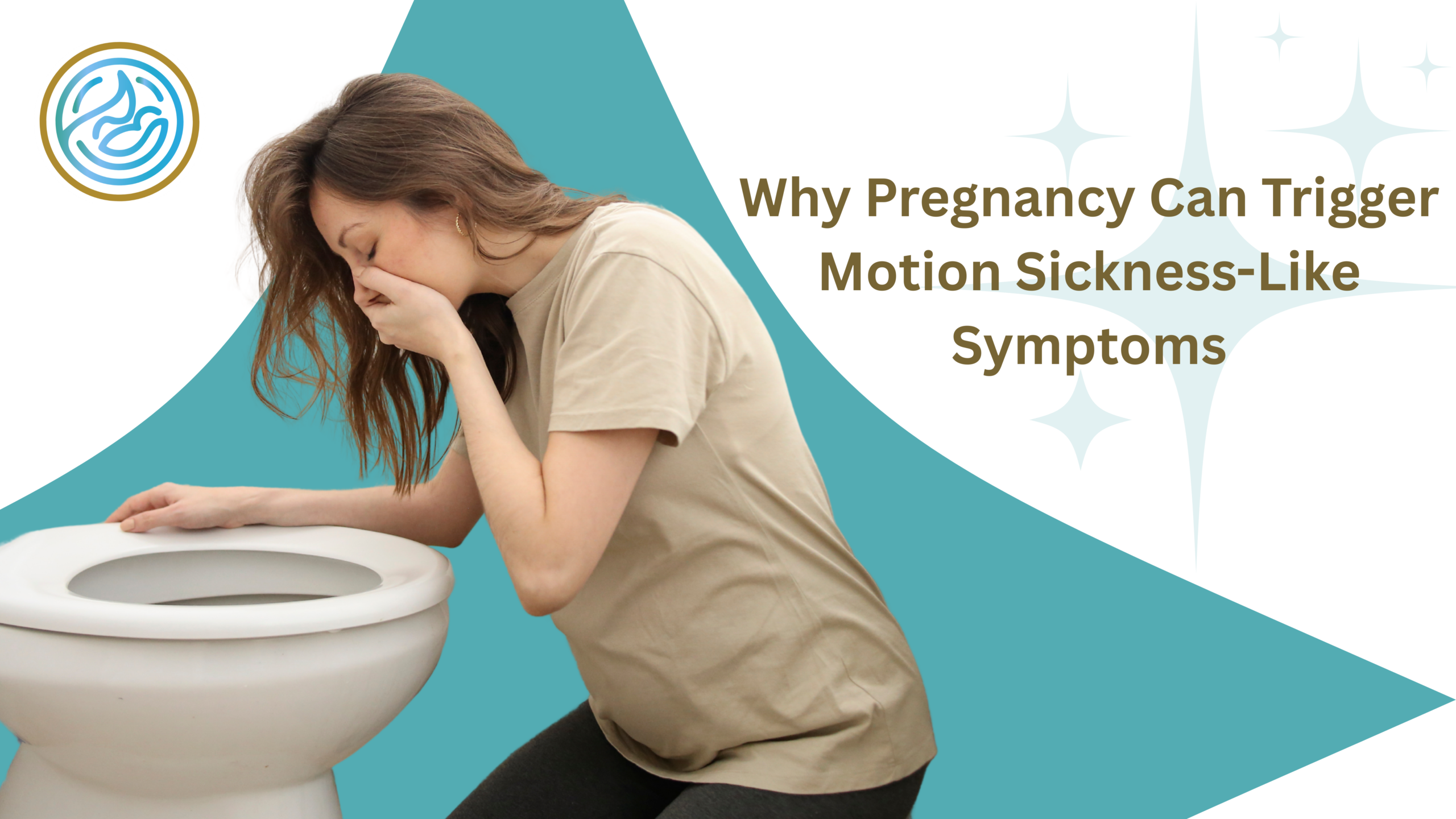
Many pregnant women are surprised to experience symptoms that feel remarkably similar to motion sickness. Even those who have never suffered from car sickness, seasickness, or dizziness before may suddenly find themselves feeling nauseous while riding in a vehicle, watching moving objects, scrolling on a phone, or simply changing positions too quickly.
These sensations can include nausea, dizziness, light-headedness, sweating, loss of balance, and a general feeling of being unwell. For some women, the symptoms are mild and occasional, while for others they can significantly affect daily activities and quality of life.
Although these experiences can be uncomfortable, they are often linked to the normal physiological changes that occur during pregnancy. Hormonal shifts, changes in circulation, alterations in balance mechanisms, and increased sensitivity of the nervous system can all contribute to symptoms that resemble motion sickness.
Understanding why pregnancy can trigger these sensations helps women distinguish between normal pregnancy-related changes and symptoms that may require medical evaluation.
What Is Motion Sickness?
Motion sickness occurs when the brain receives conflicting information about movement.
Normally, the brain relies on information from:
- The eyes
- The inner ear
- Muscles and joints
- The nervous system
When these signals do not match, symptoms such as nausea and dizziness can develop.
For example:
- Your eyes may indicate movement.
- Your inner ear may interpret movement differently.
This sensory mismatch can trigger the familiar symptoms of motion sickness.
During pregnancy, several physiological changes can make women more sensitive to these sensory conflicts.
Why Pregnancy Increases Sensitivity
Pregnancy creates widespread changes throughout the body.
These include:
- Hormonal fluctuations
- Blood pressure changes
- Altered circulation
- Increased fluid retention
- Heightened sensory awareness
Together, these changes may make the nervous system more reactive to motion-related stimuli.
As a result, situations that were previously tolerated without difficulty may suddenly trigger nausea or dizziness.
The Role of Pregnancy Hormones
Hormones are among the biggest contributors to motion sickness-like symptoms during pregnancy.
Human Chorionic Gonadotropin (hCG)
Levels rise rapidly during early pregnancy.
This hormone is strongly associated with:
- Nausea
- Morning sickness
- Food aversions
- Increased smell sensitivity
Women with higher hCG levels often experience more significant nausea.
Oestrogen
Pregnancy causes substantial increases in oestrogen.
Oestrogen can affect:
- Sensory perception
- Smell sensitivity
- Nausea pathways within the brain
This heightened sensitivity may contribute to motion-related symptoms.
Progesterone
Progesterone relaxes smooth muscle throughout the body.
While essential for maintaining pregnancy, it can also:
- Slow digestion
- Increase bloating
- Promote reflux
- Worsen nausea
These effects can make women more susceptible to feeling motion sick.
Morning Sickness and Motion Sickness Share Similar Pathways
Although they are different conditions, morning sickness and motion sickness involve overlapping areas of the brain.
Both may stimulate:
- The vomiting centre
- The vestibular system
- Nausea pathways
This overlap explains why women who already experience pregnancy nausea may become more sensitive to motion.
The Inner Ear and Balance System
The inner ear contains structures responsible for:
- Balance
- Orientation
- Motion detection
This system is known as the:
Vestibular System
The vestibular system constantly communicates with the brain to maintain stability.
Pregnancy-related changes may increase the sensitivity of this system, making women more prone to dizziness and motion-related symptoms.
Changes in Blood Pressure
Blood pressure often changes during pregnancy.
In early pregnancy:
- Blood vessels widen
- Blood pressure may decrease
This can contribute to:
- Dizziness
- Light-headedness
- Feeling faint
- Motion sickness-like symptoms
Many women notice symptoms when:
- Standing quickly
- Riding in vehicles
- Walking long distances
- Being in crowded environments
Symptom Checklist: Common Motion Sickness-Like Symptoms in Pregnancy
✓ Nausea
✓ Dizziness
✓ Light-headedness
✓ Sweating
✓ Feeling faint
✓ Increased sensitivity to movement
✓ Difficulty riding in vehicles
✓ Balance disturbances
✓ Fatigue
✓ Visual sensitivity
✓ Feeling worse when travelling
Why Car Travel Can Become Difficult
Many pregnant women report increased discomfort during car journeys.
Contributing factors include:
Sensory Sensitivity
Pregnancy heightens awareness of:
- Smells
- Movement
- Visual stimulation
Nausea Predisposition
Existing morning sickness can make even minor vehicle movements feel intolerable.
Reduced Blood Pressure
Circulatory changes may worsen symptoms during prolonged sitting.
Why Screen Use Can Trigger Symptoms
Some women notice dizziness while:
- Scrolling on phones
- Using tablets
- Watching moving videos
This may occur because visual motion stimulates the brain while the body remains stationary.
The mismatch between visual and physical movement can contribute to motion sickness-like sensations.
Trimester Comparison of Symptoms
| Trimester | Common Motion Sickness-Like Symptoms |
|---|---|
| First Trimester | Nausea, dizziness, heightened smell sensitivity |
| Second Trimester | Symptoms often improve but may persist |
| Third Trimester | Dizziness related to posture, circulation, and balance changes |
Every pregnancy is unique, and some women experience symptoms throughout all three trimesters.
Why Blood Sugar Fluctuations Matter
Pregnancy changes how the body manages glucose.
When blood sugar drops:
- Dizziness may worsen
- Nausea may increase
- Weakness can develop
Long periods without eating may intensify motion sickness-like symptoms.
Many women notice improvement after eating small, balanced meals.
Dehydration Can Make Symptoms Worse
Pregnant women require increased fluid intake.
Dehydration may result from:
- Vomiting
- Poor fluid intake
- Hot weather
- Increased physiological demands
Symptoms may include:
- Headaches
- Dizziness
- Fatigue
- Nausea
Even mild dehydration can worsen feelings of motion sickness.
Why Smells Become More Intense
Pregnancy often heightens the sense of smell.
Women may become more sensitive to:
- Perfumes
- Food aromas
- Cleaning products
- Vehicle odours
Strong smells can trigger nausea and make travel-related symptoms more severe.
Normal Symptoms vs Concerning Symptoms
| Common Pregnancy Symptoms | Symptoms Requiring Medical Evaluation |
|---|---|
| Mild nausea | Persistent vomiting |
| Occasional dizziness | Loss of consciousness |
| Temporary balance changes | Severe dehydration |
| Motion sensitivity | Chest pain |
| Brief light-headedness | Severe headaches |
Hyperemesis Gravidarum and Severe Symptoms
In some cases, nausea becomes severe.
Hyperemesis Gravidarum
This condition causes:
- Persistent vomiting
- Significant weight loss
- Dehydration
- Nutritional deficiencies
Women experiencing severe symptoms should seek medical attention promptly.
The Impact of Fatigue
Pregnancy-related fatigue can increase susceptibility to:
- Dizziness
- Motion sensitivity
- Balance disturbances
Poor sleep may amplify symptoms by reducing the body’s ability to adapt to sensory changes.
Why Some Women Feel Dizzy When Lying Flat
In later pregnancy, the enlarged uterus can compress major blood vessels when lying on the back.
This may reduce blood flow and cause:
- Dizziness
- Nausea
- Light-headedness
- Sweating
This phenomenon is known as:
Supine Hypotensive Syndrome
Changing position usually improves symptoms.
Risk Factors for Motion Sickness-Like Symptoms
Women may be more likely to experience symptoms if they have:
- A history of motion sickness
- Migraine headaches
- Previous pregnancy nausea
- Anxiety disorders
- Low blood pressure
- Vestibular disorders
Symptom Checklist: Contact Your Healthcare Provider If You Experience
✓ Persistent vomiting
✓ Inability to keep fluids down
✓ Severe dizziness
✓ Fainting episodes
✓ Significant weight loss
✓ Dehydration symptoms
✓ Visual disturbances
✓ Severe headaches
✓ Reduced fetal movement later in pregnancy
Strategies That May Help
Eat Small Frequent Meals
Avoid long periods without food.
Stay Hydrated
Regular fluid intake may reduce dizziness.
Avoid Strong Odours
Identify and avoid known triggers where possible.
Travel Smart
When travelling:
- Sit where movement feels least noticeable
- Ensure good ventilation
- Take breaks during long journeys
Move Slowly
Gradual position changes may reduce dizziness.
Supporting Overall Pregnancy Wellbeing
General measures that support maternal health often help reduce motion sickness-like symptoms.
These include:
- Adequate sleep
- Balanced nutrition
- Prenatal care
- Regular hydration
- Appropriate physical activity
Maintaining overall wellbeing can improve the body’s ability to adapt to pregnancy-related changes.
When Symptoms Should Not Be Ignored
Although mild motion sickness-like symptoms are common, persistent or severe symptoms may indicate:
- Dehydration
- Anaemia
- Hyperemesis gravidarum
- Blood pressure abnormalities
- Neurological conditions
Medical assessment is important whenever symptoms become severe or interfere significantly with daily life.
Conclusion
Pregnancy can trigger motion sickness-like symptoms because of the remarkable hormonal, neurological, circulatory, and sensory changes occurring throughout the body. Increased sensitivity of the vestibular system, fluctuations in blood pressure, heightened smell perception, nausea pathways, blood sugar changes, and fatigue all contribute to feelings of dizziness and motion intolerance.
For most women, these symptoms are a normal part of pregnancy and improve with supportive measures such as hydration, regular meals, adequate rest, and avoidance of known triggers. However, severe dizziness, persistent vomiting, dehydration, or fainting should always be evaluated by a healthcare professional.
Understanding why these symptoms occur can provide reassurance and help women navigate pregnancy more comfortably while recognizing when additional medical support may be needed.