
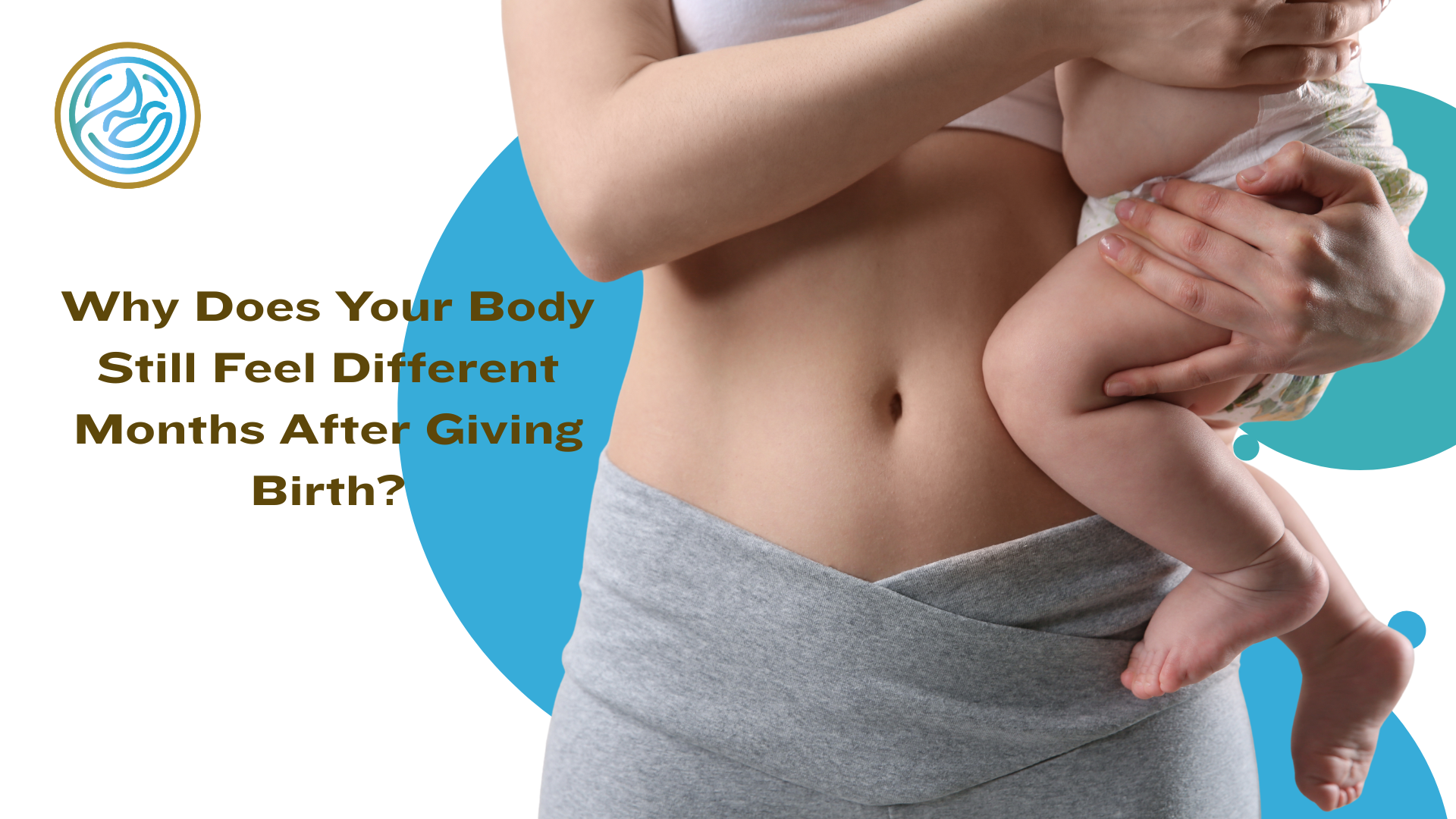
A guide to postpartum recovery, hormonal changes, pelvic floor health and knowing when to seek help
Pregnancy and childbirth can change your body in ways you may not have expected. Months after giving birth, you might still experience back pain, a weaker pelvic floor, changes in your breasts, discomfort during sex, abdominal weakness or periods that feel different from before pregnancy.
You may look as though you have recovered on the outside, but internally, your body could still be adjusting. You might also feel frustrated because you expected to feel like yourself again by now.
The truth is that postpartum recovery is not limited to the first six weeks after birth. Every woman’s experience is different, and some changes may persist for months or longer. However, it is important to distinguish between changes that can occur during recovery and symptoms that need medical assessment.
1. Why does your body take so long to recover after childbirth?
Pregnancy affects almost every system in your body. Your uterus expands, abdominal muscles stretch, hormones fluctuate, joints and ligaments change, and your pelvic floor carries additional pressure.
After birth, these systems gradually recover, but they do not all return to their previous state at the same speed.
Your recovery may also be influenced by:
- Whether you had a vaginal birth or a caesarean section.
- Whether you experienced tearing, an episiotomy or other birth complications.
- Whether you are breastfeeding.
- Your sleep quality, nutrition and general health.
- Your physical activity and the demands of caring for a newborn.
- Existing conditions, including pelvic floor problems, thyroid disorders or anaemia.
There is no single date by which every woman should feel completely recovered.
2. Seven changes you may notice months after giving birth
A. Your stomach still looks or feels different
Your abdomen may remain softer, larger or less firm than before pregnancy. This can happen because the abdominal muscles and connective tissues have stretched to accommodate your growing baby.
Some women develop diastasis recti, a separation between the two sides of the rectus abdominis muscles. It may cause a visible bulge or doming along the middle of the abdomen, particularly when sitting up, lifting or straining.
Changes in body fat distribution and skin elasticity can also affect the shape of your stomach.
What can help?
- Begin with gentle, appropriate abdominal and pelvic floor exercises.
- Increase activity gradually rather than immediately attempting intense workouts.
- Consider assessment by a physiotherapist experienced in postpartum rehabilitation if you notice persistent doming, weakness, pain or difficulty returning to everyday activities.
A persistent abdominal bulge is not automatically dangerous, but a painful or sudden bulge should be assessed.
B. Your pelvic floor does not feel the same
The pelvic floor is a group of muscles that supports your bladder, bowel and pelvic organs. Pregnancy and childbirth can stretch or weaken these muscles, even if you had a caesarean section.
You may notice urine leaking when you laugh, sneeze, cough or exercise. Other symptoms include pelvic heaviness, difficulty controlling wind, constipation or a sensation that something is bulging into the vagina.
These symptoms are common after childbirth, but common does not mean they must be accepted without treatment.
Pelvic floor physiotherapy can help assess whether your muscles need strengthening, relaxation or coordination training. Simply doing more Kegel exercises is not appropriate for everyone, particularly when the muscles are already overly tight or painful.
C. Sex feels different or painful
You may experience reduced sexual desire, vaginal dryness, discomfort with penetration or a feeling of tightness around the vaginal opening.
Several factors can contribute:
- Lower oestrogen levels during breastfeeding.
- Scar tissue following tearing, an episiotomy or surgery.
- Pelvic floor muscle tension.
- Fatigue, stress and changes in body confidence.
- Fear of pain following childbirth.
Breastfeeding can contribute to vaginal dryness because hormonal changes may reduce natural lubrication. This does not mean that you have lost your sexual function permanently.
A water-based or silicone-based lubricant may help. If discomfort persists, arrange an assessment rather than forcing yourself to tolerate painful sex. Depending on the cause, treatment may include pelvic floor physiotherapy, scar treatment or prescribed vaginal therapy.
D. Your breasts and nipples have changed
Breasts may feel softer, fuller, less firm or different in size after pregnancy and breastfeeding. These changes can reflect shifts in glandular tissue, fat distribution and hormones.
You may also notice changes in nipple sensitivity or breast shape after weaning.
However, new breast changes should not automatically be attributed to pregnancy or breastfeeding. Seek assessment for a persistent lump, bloody nipple discharge, skin dimpling, nipple changes or an area of redness and swelling, especially if accompanied by fever.
E. Your periods are different
Your menstrual cycle may be heavier, lighter, more painful or less predictable after childbirth. The return of menstruation is influenced by breastfeeding, hormonal recovery and your individual cycle.
Some women experience stronger cramps, while others find their periods become less painful. Neither experience alone establishes whether there is a medical problem.
However, very heavy bleeding, severe or worsening pain, bleeding between periods or persistent irregularity should be discussed with a healthcare professional.
Remember that ovulation can occur before your first period returns after birth. Breastfeeding does not guarantee that you cannot become pregnant.
F. Your back, hips or pelvis still hurt
Pregnancy changes posture and places extra demands on the back, hips and pelvis. After birth, feeding positions, carrying your baby, lifting a car seat and sleeping in awkward positions can contribute to ongoing discomfort.
Mild muscular aches may improve with appropriate movement, strengthening and ergonomic adjustments.
Persistent pain, however, deserves attention. Pelvic girdle pain, abdominal muscle weakness, pelvic floor dysfunction and other musculoskeletal conditions may require targeted treatment.
Seek urgent assessment for severe back pain accompanied by leg weakness, numbness around the groin, or new loss of bladder or bowel control.
G. You do not feel emotionally like yourself
Postpartum changes are not only physical. Some women feel more anxious, irritable, overwhelmed or disconnected from their bodies. Others struggle with body image, low confidence or the feeling that their identity has changed.
Sleep deprivation and the demands of caring for a baby can affect mood and concentration. Hormonal changes may also contribute.
But persistent sadness, loss of interest, intense anxiety, guilt, difficulty bonding with your baby or feeling unable to cope may indicate postpartum depression or anxiety. These conditions can begin months after delivery and are treatable.
You deserve support even if your baby is healthy and other people think you should be happy.
If you have thoughts of harming yourself or your baby, or experience severe confusion or hallucinations, seek emergency medical help immediately.
3. What is normal, and what needs medical attention?
| Change | May occur during recovery | Arrange medical assessment if… |
|---|---|---|
| Abdominal changes | Softer stomach or loose skin | You have persistent weakness, painful bulging or significant discomfort |
| Pelvic floor changes | Mild weakness that gradually improves | Urine leakage, pelvic heaviness or a vaginal bulge persists |
| Vaginal dryness | Especially during breastfeeding | Sex remains painful or you have unusual discharge or bleeding |
| Menstrual changes | Different flow or cramps | Bleeding is very heavy, pain is severe or bleeding occurs after sex |
| Back or pelvic aches | Mild discomfort related to lifting and posture | Pain is persistent, worsening or limits daily activities |
| Breast changes | Changes in fullness or shape | A persistent lump, bloody discharge or concerning skin changes appear |
| Emotional changes | Occasional worry or tiredness | Low mood, anxiety or distress persists or interferes with daily life |
Important: This table is a guide, not a diagnostic tool. Symptoms can have several causes, and the timing and severity of symptoms matter.
4. Does having a caesarean section change recovery?
Yes. A caesarean section is major abdominal surgery, so recovery involves more than the visible scar.
Even when the skin incision has healed, deeper tissues continue to recover. Some women experience numbness, pulling sensations, tenderness or altered sensation around the incision. Abdominal weakness and pelvic floor symptoms can also occur after a caesarean birth because pregnancy itself places stress on these structures.
Persistent or worsening pain should not be dismissed simply because the wound looks healed.
Seek urgent medical attention if you develop a painful, red or hot wound, pus, fever, rapidly increasing swelling or a wound that opens. A new or painful bulge near the incision also requires assessment.
5. How can you support your recovery?
You do not need to change everything at once. Start with manageable steps and seek professional guidance when needed.
Your postpartum recovery checklist
-
Eat regular, balanced meals containing protein, vegetables, fruit and other nutrient-rich foods.
-
Drink enough fluids, especially if you are breastfeeding.
-
Rest when possible and ask for practical help with childcare or household responsibilities.
-
Resume walking and other gentle activity gradually, increasing intensity according to your symptoms and recovery.
-
Ask a healthcare professional about pelvic floor rehabilitation if you experience leaking, heaviness or pain.
-
Discuss persistent fatigue, dizziness or weakness, as these may warrant assessment for anaemia, thyroid problems or other causes.
-
Seek support for ongoing anxiety, low mood or distress about your changing body.
-
Arrange a medical appointment for symptoms that persist, worsen or interfere with everyday life.
You do not need to wait until your next routine appointment if something concerns you. In South Africa, you can start by contacting your local clinic, community health centre, GP or gynaecologist, depending on your symptoms and access to care.
6. Frequently asked questions
How many months does it take for the body to return to normal after birth?
There is no universal timeline. Many women improve substantially during the first few months, but abdominal strength, pelvic floor function, menstrual patterns and hormonal changes may take longer to settle. Some changes, such as stretch marks or breast shape, may remain.
Is it normal to still have pain six months after giving birth?
Persistent pain at six months should be assessed, particularly if it affects movement, sex, sleep or caring for your baby. It may be treatable, and you should not have to live with it simply because you have given birth.
Can breastfeeding delay recovery?
Breastfeeding can influence hormones, vaginal lubrication and menstruation. It also increases nutritional and energy demands. However, it does not mean that every postpartum symptom is caused by breastfeeding.
When should I see a gynaecologist?
Seek an assessment for persistent pelvic or abdominal pain, painful sex, unusual bleeding, recurrent vaginal symptoms, a vaginal bulge or any change that worries you. Urgent symptoms, such as chest pain, difficulty breathing, severe headache with visual changes, heavy bleeding or one-sided leg swelling and pain, require prompt medical care.
The bottom line
Your body has been through pregnancy, childbirth and months of adjustment. It is understandable if you do not feel exactly as you did before, and there is no need to rush your recovery to meet someone else’s expectations.
At the same time, you should not have to accept persistent pain, urinary leakage, painful sex or emotional distress as the price of motherhood.
Your postpartum health matters long after your baby is born. If something does not feel right, speak to a healthcare professional. The right assessment and treatment can help you feel stronger, more comfortable and more like yourself again.