
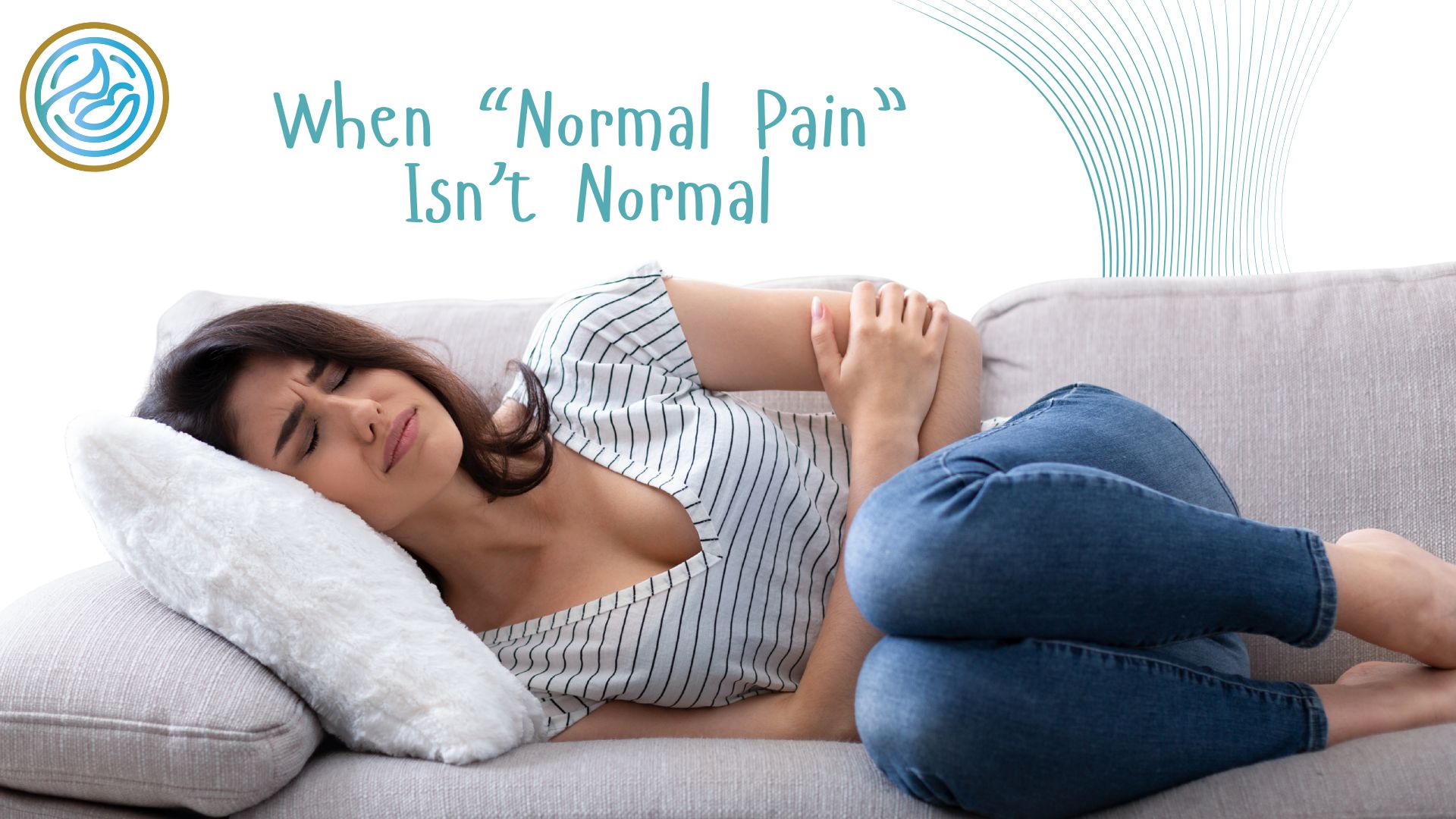
For generations, women have been taught subtly and overtly that pain is simply part of being female. Period pain is “normal.” Pelvic discomfort is “expected.” Exhaustion, bloating, mood swings, and pain during intimacy are brushed off as hormonal, emotional, or exaggerated. Many women learn early that enduring discomfort quietly is a sign of strength.
But medically, this cultural normalisation of pain has consequences.
Pain is information. And when pain is persistent, escalating, or disruptive, it is not benign even if it has been labelled “normal” by society or, at times, by healthcare systems themselves.
This blog explores how women are conditioned to tolerate symptoms, how this affects diagnosis and care, and how to distinguish between expected bodily sensations and signs that deserve deeper investigation.
How the Idea of “Normal Female Pain” Took Hold
From adolescence onward, many women are socialised to expect discomfort:
- Menstrual pain is presented as a rite of passage
- Pregnancy discomfort is framed as something to “just get through”
- Postpartum pain is minimised as the cost of motherhood
- Pelvic symptoms are often dismissed as stress-related
Historically, medical research prioritised male physiology. Women’s symptoms, especially those fluctuating with hormonal cycles were considered complex, subjective, or emotionally driven. This legacy still influences clinical interactions today.
As a result, many women delay seeking care, second-guess their experiences, or feel embarrassed raising concerns that have been framed as “normal.”
Pain vs Discomfort: A Critical Medical Distinction
Not all bodily sensations indicate disease. However, there is a meaningful difference between expected discomfort and clinically significant pain.
Expected discomfort may:
- Be mild
- Be predictable
- Resolve quickly
- Respond to simple measures (rest, warmth, hydration)
Clinically relevant pain often:
- Interferes with daily functioning
- Worsens over time
- Feels disproportionate to circumstances
- Persists despite basic treatment
- Appears alongside other symptoms
When pain becomes something a woman must “work around” rather than something transient, it warrants attention.
Commonly Dismissed Symptoms That Deserve Reassessment
Many women present with symptoms they have lived with for years, not because they are harmless, but because they were never taken seriously.
Symptom Checklist: “Often Labelled Normal”
Symptom | Often Dismissed As | Possible Underlying Considerations |
Severe period pain | “Just cramps” | Endometriosis, adenomyosis |
Pelvic pressure | “After childbirth” | Pelvic floor dysfunction, prolapse |
Pain during sex | “Anxiety” or “dryness” | Hormonal changes, vaginismus, inflammation |
Heavy bleeding | “Normal periods” | Fibroids, hormonal imbalance |
Chronic fatigue | “Busy lifestyle” | Iron deficiency, thyroid dysfunction |
Bloating | “Diet-related” | Hormonal fluctuation, gut-reproductive axis issues |
The presence of these symptoms does not automatically indicate disease but their persistence or severity should never be ignored.
Normal vs Medical: Understanding the Difference
One of the most powerful tools in women’s health is reframing expectations. Below is a comparison many women find validating.
Table: Normal Bodily Changes vs When to Look Deeper
Experience | Often Considered Normal | When It Becomes Medical |
Menstrual pain | Mild cramps | Pain causing missed work or vomiting |
Postpartum discomfort | General soreness | Pain persisting beyond healing timeframe |
Ovulation pain | Brief twinge | Sharp, recurring unilateral pain |
Breast tenderness | Cycle-related | Severe pain or persistent lumps |
Pelvic heaviness | End of day tiredness | Worsening pressure or urinary changes |
“Normal” should never mean debilitating, progressive, or life-altering.
The Psychological Toll of Being Dismissed
When women repeatedly hear that their pain is normal, they often internalise doubt:
- “Maybe I’m just sensitive.”
- “Other women cope, why can’t I?”
- “I don’t want to seem dramatic.”
Over time, this can erode trust in one’s own body. Studies show that women are more likely than men to have pain attributed to emotional causes, and they often receive delayed diagnoses for conditions like endometriosis, sometimes by 7–10 years.
The cost is not just physical. It includes anxiety, frustration, and a sense of being unheard.
Why Women Learn to Endure Rather Than Question
Endurance is often praised in women:
- Enduring painful periods without complaint
- Enduring pregnancy discomfort as a “natural process”
- Enduring postpartum pain while caring for others
While resilience is admirable, endurance should not replace medical curiosity.
When strength is defined as silence, symptoms go underground untreated and unexplored.
Medical Reality: Pain Is Not a Personality Trait
Pain thresholds vary, but pathology does not discriminate based on resilience. A woman who copes quietly can still have significant underlying issues.
From a medical perspective:
- Pain is a signal from the nervous system
- Recurrent pain suggests ongoing stimulation or sensitisation
- Chronic pain can alter neural pathways over time
Ignoring pain does not make it disappear, it often makes it harder to treat later.
When to Advocate for Further Evaluation
Women should feel empowered to seek reassessment when pain:
- Is new or changing
- Is worsening with each cycle
- Interferes with work, sleep, or relationships
- Requires escalating pain relief
- Feels “not right” even if tests are normal
Importantly, normal blood tests or scans do not invalidate symptoms. Some conditions are functional, inflammatory, or microscopic and require clinical correlation, not dismissal.
Reframing Strength in Women’s Health
True strength in healthcare is not enduring pain silently. It is recognising when something is off and seeking clarity.
A healthcare system that listens and a culture that allows women to question what they’ve been told is “normal” leads to earlier intervention, better outcomes, and restored trust in the body.
Women deserve care that acknowledges their pain without minimising it.
Key Takeaway
If pain has become part of your identity rather than a passing experience, it deserves attention. “Normal” should never mean something you must suffer through.