
Introduction
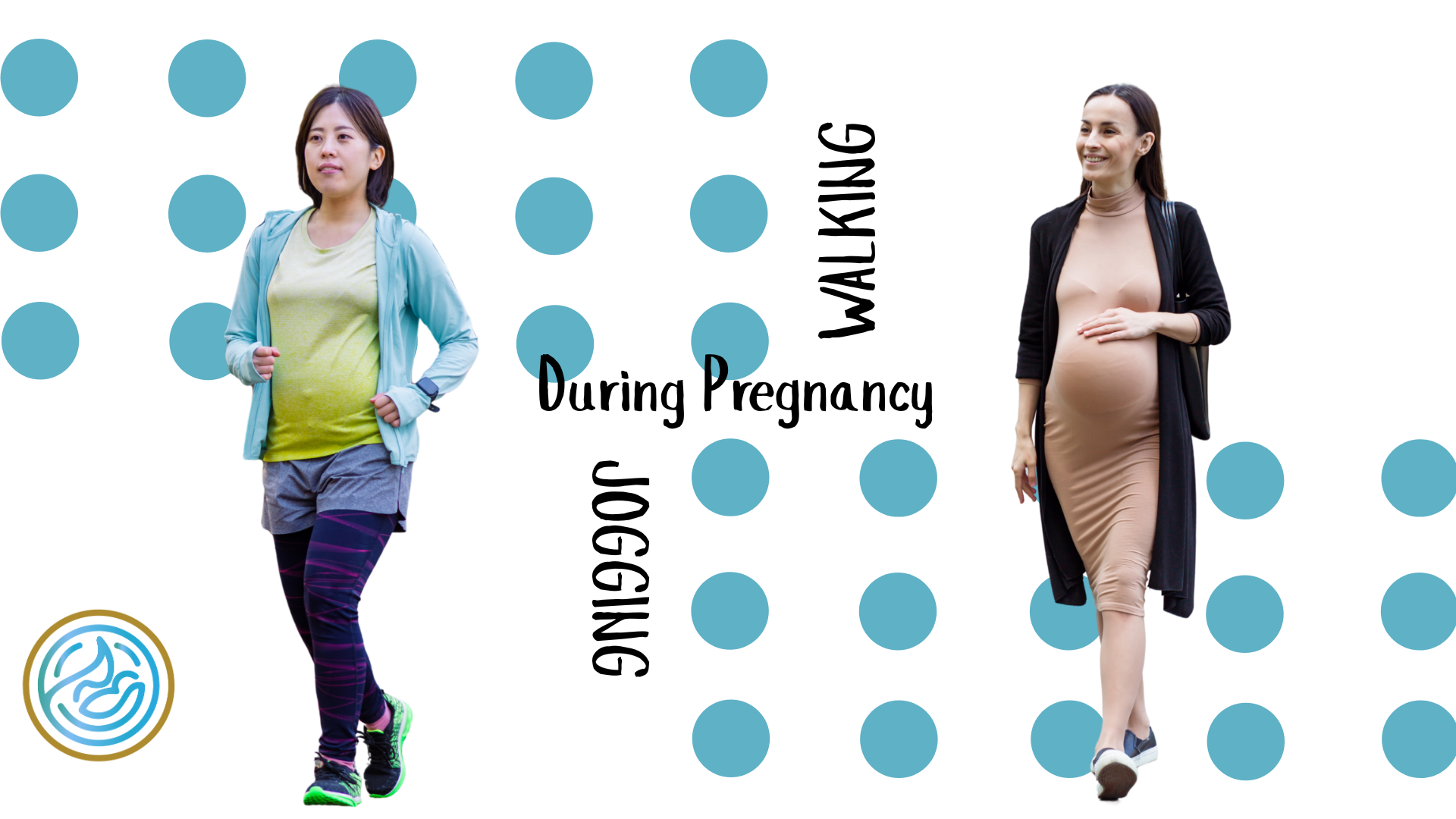
Exercise during pregnancy is no longer discouraged in fact, it is strongly encouraged. Staying active can improve circulation, reduce stress, prevent excessive weight gain, and even make labour easier. But many expectant mothers wonder: Is it better to walk or jog during pregnancy?
Both walking and jogging are beneficial, but the choice depends on individual health, fitness level, and stage of pregnancy. This blog compares the two, explains their benefits and risks, and helps mothers make informed decisions with their healthcare providers.
The Importance of Exercise in Pregnancy
- Supports healthy weight gain
- Improves mood by releasing endorphins
- Prevents gestational diabetes and hypertension
- Strengthens core and pelvic muscles
- Prepares the body for labour and recovery
Walking During Pregnancy
Walking is often recommended as the safest and most accessible exercise for expectant mothers.
Benefits of walking:
- Low-impact and gentle on joints.
- Easy to adjust pace and duration.
- Can be done daily with little risk.
- Reduces swelling in legs and ankles.
- Improves circulation and posture.
Potential drawbacks:
- Less cardiovascular challenge for highly active women.
- May feel too light for those who jogged regularly before pregnancy.
Jogging During Pregnancy
Jogging is considered safe for women who were already runners before becoming pregnant, as long as pregnancy is healthy and low-risk.
Benefits of jogging:
- Improves cardiovascular endurance.
- Helps maintain pre-pregnancy fitness.
- Burns more calories than walking.
- Can shorten postpartum recovery for active women.
Potential drawbacks:
- Higher impact on joints and pelvic floor.
- Risk of overheating or dehydration.
- More likely to cause discomfort in later trimesters.
Comparing Walking vs. Jogging in Pregnancy
| Aspect | Walking | Jogging |
|---|---|---|
| Impact on joints | Low impact, easy on knees & hips | Moderate to high, stress on joints |
| Safety level | Very safe for all women | Safe only if experienced before pregnancy |
| Calories burned (30 min) | ~150–200 | ~250–400 |
| Accessibility | Requires no fitness background | Requires prior jogging experience |
| Best trimester | Safe in all trimesters | Best in 1st & 2nd, harder in 3rd |
Exercise Guidelines During Pregnancy
According to the American College of Obstetricians and Gynecologists (ACOG):
- Aim for 150 minutes of moderate-intensity exercise per week.
- Avoid contact sports, high-risk activities, and exercises with risk of falling.
- Stay hydrated and avoid overheating.
- Stop immediately if you feel pain, dizziness, contractions, or shortness of breath.
Signs You Should Stop Exercise
| Warning Sign | Possible Cause |
|---|---|
| Vaginal bleeding | Placental issue |
| Severe abdominal pain | Strain or complication |
| Dizziness/fainting | Low blood sugar, overheating |
| Contractions | Preterm labour |
| Leakage of fluid | Ruptured membranes |
How to Make Walking More Effective
- Vary pace: Include brisk intervals.
- Add light arm weights for resistance.
- Walk on safe inclines for more challenge.
- Use supportive shoes to prevent foot pain.
How to Make Jogging Safer During Pregnancy
- Stick to flat, even surfaces.
- Use a supportive sports bra and belly band.
- Shorten stride length in later trimesters.
- Avoid hot, humid conditions.
- Always warm up and cool down.
Trimester-by-Trimester Advice
| Trimester | Walking | Jogging |
|---|---|---|
| 1st (0–13 weeks) | Daily walks, 20–40 min | Continue jogging if you were a runner before; keep moderate pace |
| 2nd (14–27 weeks) | Brisk walking, light inclines | Shorter jogs may still be comfortable |
| 3rd (28–40 weeks) | Gentle, frequent walks to reduce swelling | Most women find jogging uncomfortable; switch to walking |
Which Is Better: Walking or Jogging?
- For beginners or non-runners: Walking is safer, sustainable, and effective.
- For experienced runners: Jogging may be continued with adjustments, provided pregnancy is healthy.
- For late pregnancy: Walking is usually more comfortable and practical.
Alternatives to Walking and Jogging
If neither feels right, other safe pregnancy exercises include:
- Swimming: Zero-impact, relieves back pain.
- Prenatal yoga: Improves flexibility, reduces stress.
- Stationary cycling: Cardiovascular workout without joint strain.
- Low-impact aerobics: Keeps heart rate up without jarring movements.
Postpartum Considerations
- Walking is excellent in the early postpartum weeks as recovery begins.
- Jogging should be resumed only after medical clearance, usually 3–6 months postpartum, especially if pelvic floor healing is still in progress.
Key Takeaways
- Both walking and jogging are beneficial, but walking is universally safe, while jogging should be reserved for experienced runners with healthy pregnancies.
- The trimester and comfort level play big roles in determining which activity is best.
- Listening to your body and working with a healthcare provider ensures safety for both mother and baby.
- Alternatives like swimming and yoga can complement walking or jogging.
Final Word
The goal of exercise during pregnancy is not performance or competition but health, comfort, and preparation for motherhood. Whether you choose walking, jogging, or a mix of both, the most important thing is to stay active safely and consistently.