
Introduction:
In the realm of women’s health, colposcopy emerges as a crucial diagnostic procedure, particularly in the detection of abnormalities in the cervix. This comprehensive guide aims to shed light on what colposcopy is, its significance, the procedure itself, reasons for undergoing it, and what to expect during and after the examination.
- Understanding Colposcopy:
Colposcopy is a medical procedure that allows healthcare providers to closely examine the cervix, vagina, and vulva for signs of abnormal cells or lesions. It is often recommended following an abnormal Pap smear or as a follow-up to further investigate changes in cervical tissue.
- Why Colposcopy Matters:
The primary purpose of colposcopy is to identify and assess abnormal cervical cells that may indicate the presence of pre-cancerous or cancerous conditions. Early detection through colposcopy enables timely intervention and preventive measures, reducing the risk of cervical cancer.
- When is Colposcopy Recommended:
Colposcopy is typically recommended in the following scenarios:
a. Abnormal Pap Smear Results: If a Pap smear reveals abnormal cervical cells, colposcopy is often the next step in the diagnostic process.
b. Positive HPV Test: Human Papillomavirus (HPV) is a known risk factor for cervical cancer. A positive HPV test result may prompt further examination through colposcopy.
c. Unexplained Symptoms: If a woman experiences symptoms such as persistent pelvic pain, unusual bleeding, or other gynecological issues, colposcopy may be recommended to investigate the underlying cause.
- How is the Procedure Conducted:
The colposcopy procedure involves several key steps:
a. Preparation: Similar to a Pap smear, it is advisable to schedule the colposcopy when you are not menstruating. Avoiding vaginal intercourse, tampons, and douches for 24-48 hours before the procedure is recommended.
b. Positioning: The patient lies on an examination table with their feet in stirrups, similar to a pelvic exam.
c. Application of Vinegar or Iodine Solution: A vinegar (acetic acid) or iodine solution is applied to the cervix to highlight any abnormal areas.
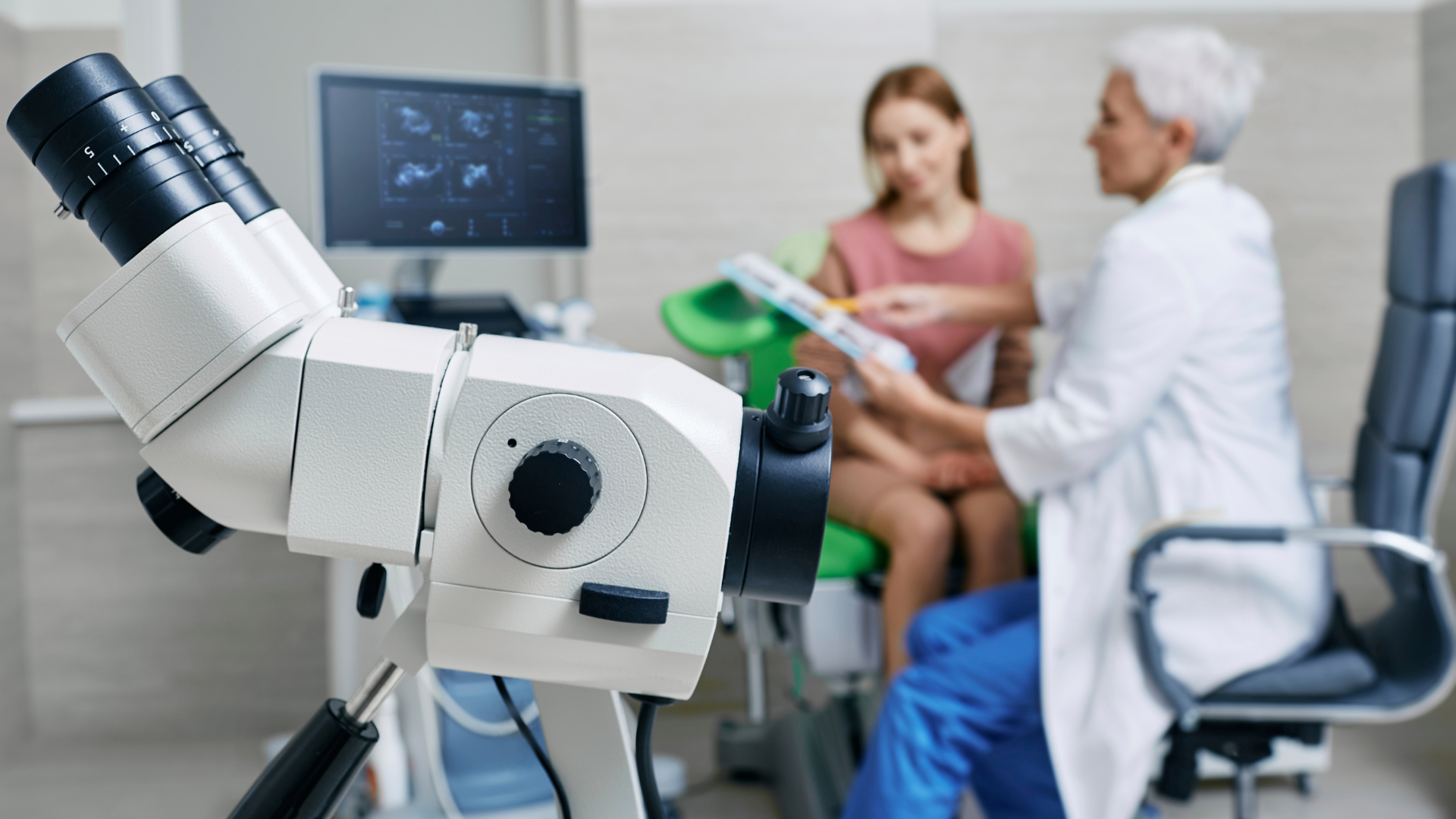
d. Colposcope Examination: The colposcope, a specialized instrument with magnifying lenses, is used to examine the cervix. The healthcare provider may take biopsies of suspicious areas for further evaluation.
e. Biopsy: If necessary, small tissue samples (biopsies) may be taken during the procedure. This is a common practice to confirm or rule out the presence of abnormal cells.
- What to Expect After Colposcopy:a. Mild Discomfort: Patients may experience mild cramping or discomfort for a brief period after the procedure.b. Spotting: Some light spotting or discharge is normal and should subside within a few days.c. Results Discussion: The healthcare provider will discuss the findings of the colposcopy, and if biopsies were taken, results may take a few days to come back.d. Follow-up Recommendations: Depending on the findings, the healthcare provider may recommend additional monitoring, treatment, or follow-up colposcopies.
- Conclusion:
Colposcopy is a valuable tool in the field of women’s health, aiding in the early detection and management of cervical abnormalities. Understanding the procedure, its purpose, and what to expect can empower women to actively participate in their gynecological health. Regular screenings, timely follow-ups, and open communication with healthcare providers are essential components of maintaining optimal reproductive health. Remember, knowledge is a powerful ally in the journey toward well-being.