
Introduction
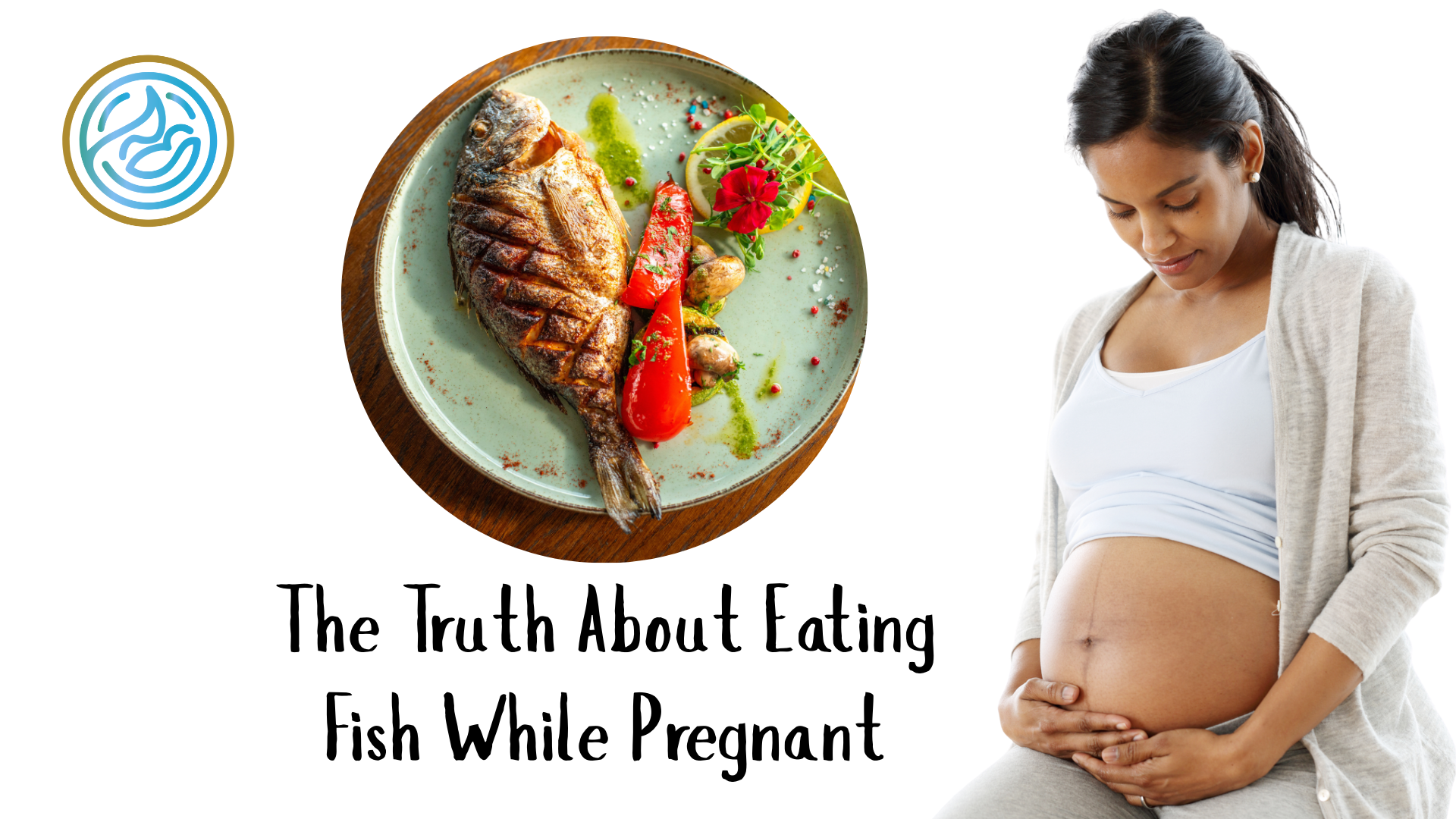
Eating fish during pregnancy is often recommended due to its high-quality protein and omega-3 fatty acids, which support fetal brain and eye development. However, concerns about mercury exposure and foodborne illnesses can make expectant mothers wary. Understanding which fish are safe, how often to eat them, and potential risks is essential for a healthy pregnancy diet.
This blog explores the benefits, risks, recommended intake, and safe fish choices for pregnant women.
Why Fish Is Important During Pregnancy
| Nutrient | Benefit for Pregnancy |
|---|---|
| Omega-3 fatty acids (DHA/EPA) | Supports fetal brain and eye development |
| Protein | Builds fetal tissues, placenta, and maternal muscles |
| Iodine | Supports thyroid function and neurodevelopment |
| Vitamin D | Aids calcium absorption for bone health |
| Selenium | Protects cells and supports immunity |
Key insight: Moderate fish consumption provides essential nutrients that are difficult to obtain from other foods.
Risks Associated With Fish Consumption
| Risk | Explanation |
|---|---|
| Mercury contamination | Found in large predatory fish (shark, swordfish, king mackerel); can harm fetal brain and nervous system |
| Foodborne illness | Raw or undercooked fish may carry bacteria or parasites (e.g., Listeria, Salmonella) |
| Pollutants | PCBs and other chemicals can accumulate in some fish |
Tip: Choosing low-mercury, well-cooked fish minimizes risks.
Safe Fish Choices
| Low-Mercury Fish | Benefits |
|---|---|
| Salmon | High in omega-3, vitamin D, low mercury |
| Sardines | Rich in calcium, omega-3, and protein |
| Trout | Excellent source of omega-3 and protein |
| Anchovies | Small fish with low mercury levels |
| Herring | Provides DHA and vitamin D |
Note: Avoid raw fish like sushi or ceviche during pregnancy.
Fish to Limit or Avoid
| Fish | Reason |
|---|---|
| Shark | High mercury |
| Swordfish | High mercury |
| King mackerel | High mercury |
| Tilefish | High mercury |
| Raw shellfish | Risk of foodborne illness |
Recommended Intake
- Most health authorities recommend 2–3 servings of low-mercury fish per week, approximately 8–12 ounces (225–340 grams).
- Pregnant women should vary fish types to balance nutrients and minimize exposure to contaminants.
Cooking Tips for Safety
- Cook fish to an internal temperature of 63°C (145°F).
- Avoid cross-contamination with raw seafood.
- Freeze fish at appropriate temperatures to kill parasites if consuming previously frozen raw fish.
- Prefer baked, grilled, or steamed methods over frying for better nutrient retention.
Key insight: Proper handling and cooking make fish a safe and nutritious part of a pregnancy diet.
Benefits vs. Risks
| Aspect | Benefit | Risk Mitigation |
|---|---|---|
| Brain development | DHA supports fetal cognitive function | Choose low-mercury fish |
| Heart health | Omega-3s promote maternal cardiovascular health | Avoid high-mercury fish |
| Protein intake | Essential for fetal growth | Cook fish thoroughly to prevent illness |
| Vitamin D and calcium | Supports bone development | Include diverse fish types and other dietary sources |
Frequently Asked Questions
- Can I eat canned tuna?
- Yes, light canned tuna is low in mercury; limit to 2–3 servings per week.
- Avoid albacore tuna or limit to 6 ounces per week.
- Is sushi safe?
- No, raw fish and shellfish carry foodborne risks. Stick to cooked options.
- Can fish oil supplements replace eating fish?
- Supplements provide omega-3s but may lack other nutrients found in whole fish. Always check labels for purity.
- How do I balance fish with other protein sources?
- Include eggs, beans, lean poultry, and dairy for a diverse, balanced diet.
Key Takeaways
- Fish is a nutrient-rich food that supports fetal development and maternal health.
- Moderation and choice are key: select low-mercury fish and avoid raw or high-mercury species.
- Cook fish thoroughly and maintain safe handling practices to prevent foodborne illness.
- Two to three servings per week provide optimal benefits without unnecessary risk.
- Including fish as part of a balanced, varied diet ensures the best outcomes for mother and baby.
Final Word
Eating fish during pregnancy is safe, nutritious, and beneficial when following guidelines for type, quantity, and preparation. By choosing wisely and practicing safe cooking methods, expectant mothers can enjoy the brain-boosting, heart-healthy, and growth-supporting benefits of fish while minimizing risks. A thoughtful approach to seafood helps nurture both maternal health and fetal development.