
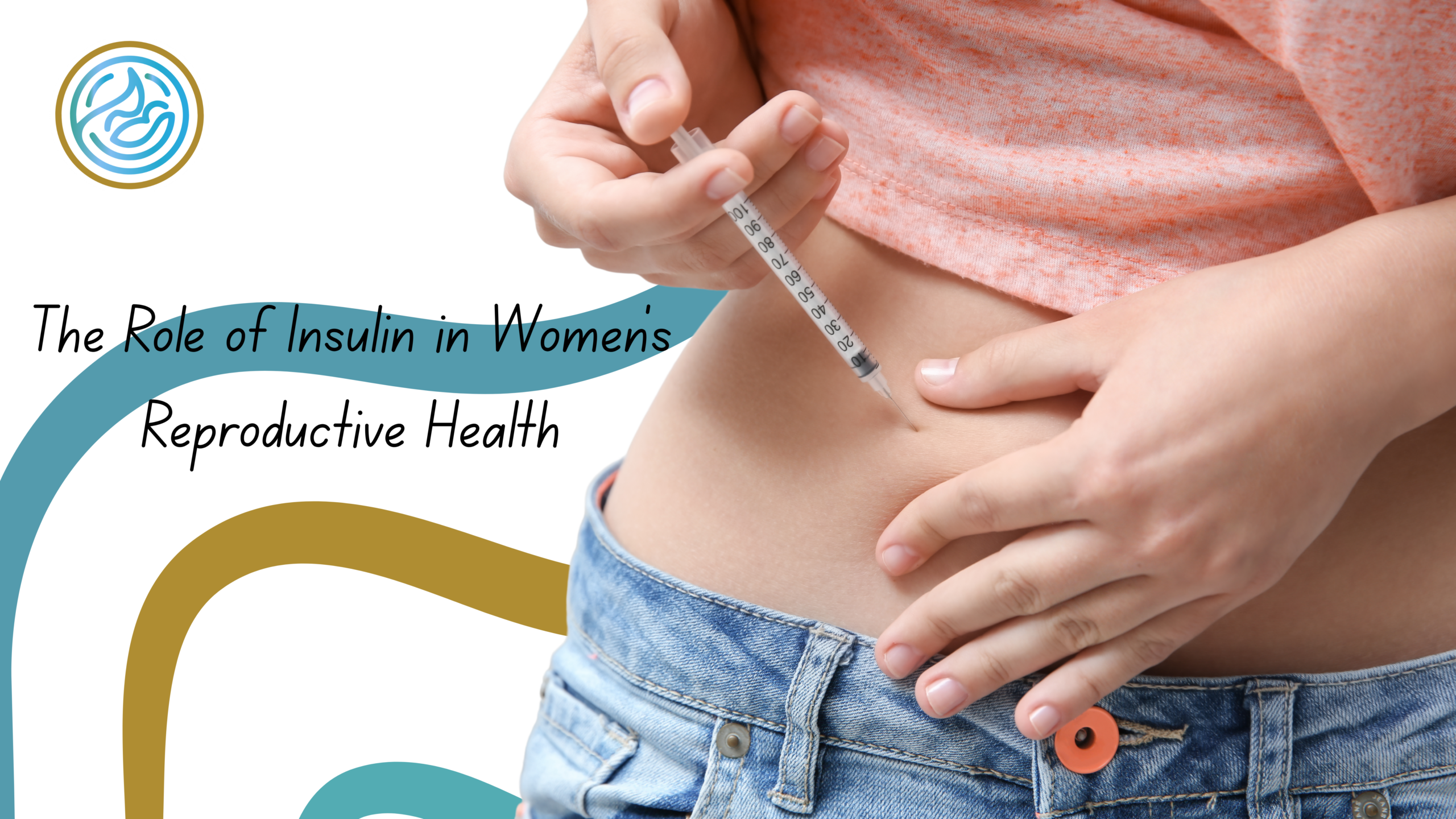
When people hear the word insulin, they often think of diabetes. However, insulin plays a much broader role in the body, particularly in women’s reproductive health.
From regulating ovulation and hormone balance to influencing weight, inflammation, and fertility, insulin is a powerful hormone that works behind the scenes. When it becomes dysregulated, the effects can ripple across the entire reproductive system.
Understanding insulin’s role is key to recognising patterns that are often overlooked or misdiagnosed.
What Is Insulin?
Insulin is a hormone produced by the pancreas. Its primary role is to:
- Regulate blood sugar levels
- Help cells absorb glucose for energy
- Store excess glucose for later use
However, insulin also interacts closely with reproductive hormones.
What Is Insulin Resistance?
Insulin resistance occurs when the body’s cells stop responding properly to insulin.
As a result:
- The body produces more insulin to compensate
- Blood sugar may remain normal initially
- Hormonal imbalance begins silently
Why This Matters in Women’s Health
High insulin levels (even with normal blood sugar) can:
- Disrupt ovulation
- Increase androgen (male hormone) levels
- Promote inflammation
- Affect egg quality
The Insulin Hormone Connection
Insulin does not work in isolation, it directly affects key reproductive hormones.
1. Ovaries
High insulin stimulates the ovaries to produce more androgens.
This can lead to:
- Irregular ovulation
- Acne
- Excess hair growth
2. Oestrogen and Progesterone Balance
Insulin imbalance can:
- Disrupt the normal menstrual cycle
- Lead to oestrogen dominance
- Reduce progesterone levels
3. The Brain Ovary Axis
Insulin affects signalling between the brain and ovaries, interfering with:
- Follicle development
- Ovulation timing
Insulin and Common Reproductive Conditions
1. Polycystic Ovarian Syndrome (PCOS)
Insulin resistance is a central feature of PCOS.
It contributes to:
- Irregular periods
- Multiple ovarian follicles
- Difficulty conceiving
2. Infertility
Even in women without PCOS, insulin imbalance can:
- Affect egg development
- Reduce implantation success
- Increase miscarriage risk
3. Weight Gain and Hormonal Cycles
High insulin promotes fat storage, particularly around the abdomen.
This creates a cycle:
- Weight gain → increased insulin resistance → further hormonal disruption
4. Chronic Inflammation
Insulin resistance is closely linked to low-grade inflammation, which can:
- Affect the uterine environment
- Worsen pelvic conditions
- Disrupt hormonal balance
Symptoms of Insulin Imbalance in Women
Many symptoms are subtle and often mistaken for unrelated issues.
Symptom Checklist
| Symptom | Possible Explanation |
|---|---|
| Irregular periods | Disrupted ovulation |
| Difficulty losing weight | Insulin-driven fat storage |
| Fatigue (especially after meals) | Blood sugar fluctuations |
| Sugar cravings | Unstable glucose levels |
| Acne (especially jawline) | Increased androgens |
| Darkened skin (neck, underarms) | Insulin resistance marker |
| Excess hair growth | Hormonal imbalance |
Reproductive-Specific Signs
| Symptom | What It May Indicate |
|---|---|
| Missed or infrequent periods | Ovulation dysfunction |
| Long cycles (>35 days) | Hormonal imbalance |
| Difficulty conceiving | Egg development issues |
| Recurrent miscarriages | Hormonal and metabolic factors |
Normal vs Concerning Patterns
| Feature | Normal | Concerning |
|---|---|---|
| Energy after meals | Stable | Sleepy or fatigued |
| Cravings | Occasional | Frequent, intense sugar cravings |
| Weight changes | Gradual | Rapid or resistant to change |
| Menstrual cycle | Regular | Irregular or absent |
| Skin changes | Minimal | Persistent acne or pigmentation |
Why Insulin Issues Are Often Missed
Many women are told their blood sugar is “normal,” yet still experience symptoms.
This is because:
- Standard tests may not detect early insulin resistance
- Fasting glucose can remain normal for years
- Symptoms are often attributed to stress or lifestyle
How Insulin Affects Fertility
Insulin imbalance can interfere at multiple stages:
1. Egg Development
- Poor follicle maturation
- Reduced egg quality
2. Ovulation
- Delayed or absent ovulation
3. Implantation
- Altered uterine environment
Diagnosis: What Should Be Evaluated?
A more comprehensive approach is often needed.
Key Tests
- Fasting insulin
- Fasting glucose
- HbA1c
- Oral glucose tolerance test (in some cases)
Important: Normal glucose does not rule out insulin resistance.
Managing Insulin for Better Reproductive Health
1. Nutrition
Focus on stabilising blood sugar:
- Balanced meals (protein, healthy fats, fibre)
- Reduce refined carbohydrates and sugars
- Avoid long gaps between meals
2. Physical Activity
Regular movement improves insulin sensitivity:
- Walking
- Strength training
- Low-impact exercise
3. Stress Management
Chronic stress increases cortisol, which worsens insulin resistance.
Helpful approaches:
- Sleep optimisation
- Mindfulness practices
- Reducing overstimulation
4. Medical Support
In some cases, medical treatment may be necessary, especially for:
- PCOS
- Fertility challenges
- Significant insulin resistance
When to Seek Medical Attention
Women should seek evaluation if they experience:
- Irregular or absent periods
- Persistent fatigue
- Difficulty losing weight
- Signs of hormonal imbalance (acne, hair growth)
- Difficulty conceiving
Why This Topic Matters
Insulin imbalance is one of the most under-recognised drivers of reproductive dysfunction.
It affects:
- Hormones
- Ovulation
- Fertility
- Pregnancy outcomes
Yet, it is often missed until symptoms become more severe.
Final Thoughts
Insulin is not just a metabolic hormone, it is a key regulator of reproductive health. When balanced, it supports normal hormonal function and fertility. When disrupted, it can silently affect multiple systems in the body.
Recognising the signs early allows for targeted interventions that can restore balance, improve symptoms, and support long-term reproductive health.