
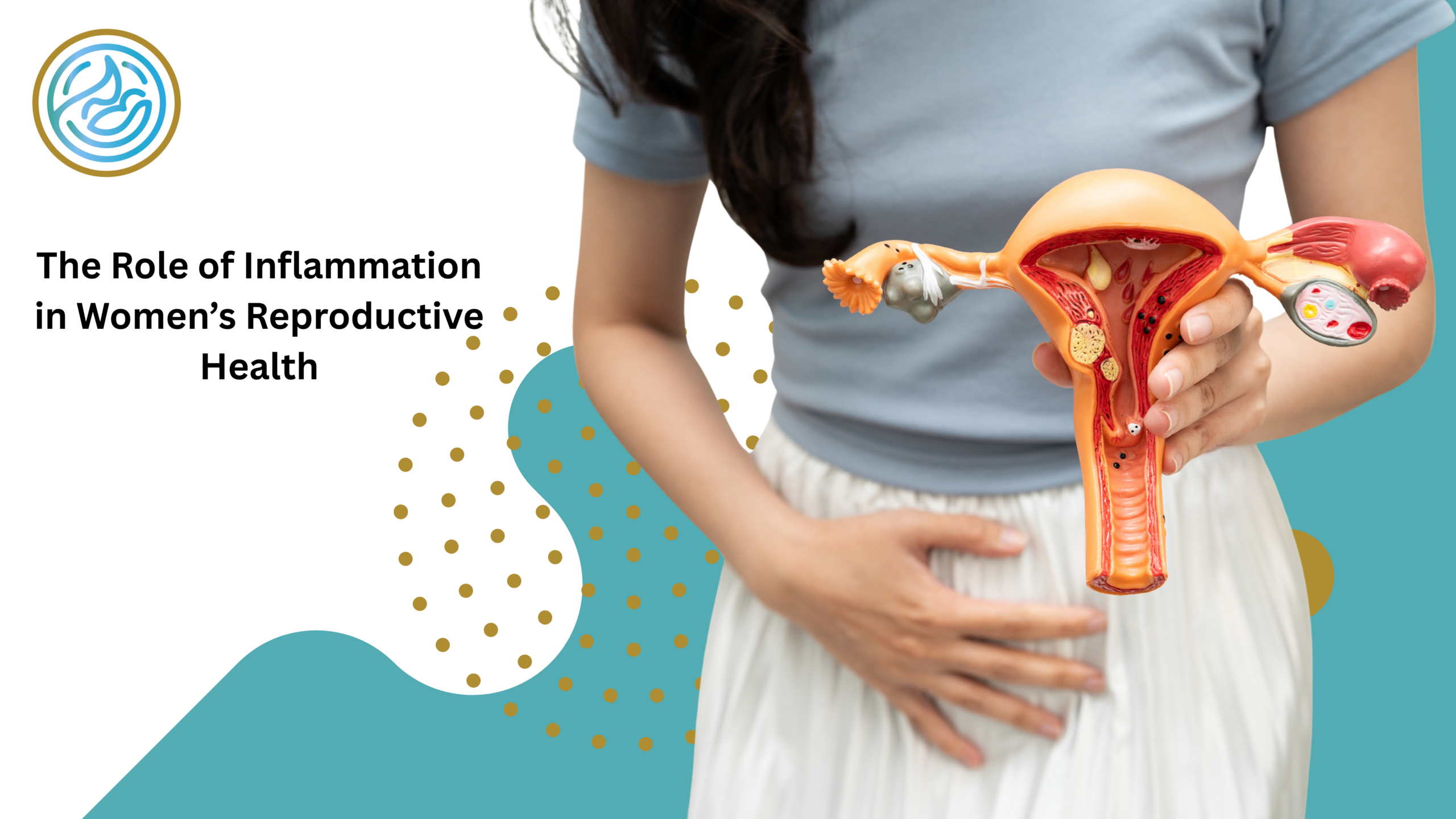
Inflammation is often misunderstood. Many women associate it with visible swelling or infection, but in reality, inflammation is a complex biological response that can quietly influence nearly every aspect of reproductive health, from menstrual cycles and fertility to chronic pelvic pain and pregnancy outcomes.
Understanding how inflammation works and when it becomes harmful, can help women recognise early signs of imbalance, seek timely care, and protect long-term reproductive wellness.
What Is Inflammation?
Inflammation is the body’s natural defense mechanism. It is how the immune system responds to injury, infection, or irritation.
There are two main types:
| Type of Inflammation | Description | Role in the Body |
|---|---|---|
| Acute Inflammation | Short-term, immediate response | Helps healing (e.g. after infection or injury) |
| Chronic Inflammation | Long-term, persistent low-grade response | Can damage tissues and disrupt normal function |
While acute inflammation is beneficial and necessary, chronic inflammation is where problems begin, especially in the reproductive system.
How Inflammation Affects the Female Reproductive System
The reproductive system is highly sensitive to immune and hormonal signals. When inflammation becomes chronic, it can disrupt this delicate balance in several ways:
1. Hormonal Disruption
Inflammation interferes with hormone signalling, particularly:
- Oestrogen
- Progesterone
- Insulin
This disruption can lead to:
- Irregular menstrual cycles
- Premenstrual symptoms (PMS)
- Ovulation issues
2. Impact on Ovulation
Inflammation can impair the ovary’s ability to release an egg properly. Inflammatory markers may:
- Prevent follicle maturation
- Disrupt ovulation timing
- Affect egg quality
This is especially relevant in conditions like polycystic ovarian syndrome (PCOS).
3. Uterine Environment and Implantation
For pregnancy to occur, the uterus must be receptive. Chronic inflammation can:
- Alter the uterine lining
- Reduce implantation success
- Increase risk of early miscarriage
4. Pelvic Pain and Chronic Conditions
Inflammation is a key driver behind several gynaecological conditions:
- Endometriosis
- Pelvic inflammatory disease (PID)
- Adenomyosis
These conditions often present with persistent pain, heavy periods, and fertility challenges.
Common Causes of Chronic Inflammation in Women
Chronic inflammation is rarely caused by a single factor. It is usually a combination of lifestyle, metabolic, and environmental influences.
Lifestyle Factors
- Poor diet (high sugar, processed foods)
- Lack of sleep
- Chronic stress
- Sedentary lifestyle
Medical Conditions
- PCOS
- Endometriosis
- Autoimmune disorders
Hidden Triggers
- Recurrent infections
- Gut imbalance
- Undiagnosed insulin resistance
Symptoms of Inflammation in Reproductive Health
Inflammation does not always present clearly. Many symptoms are subtle and often dismissed as “normal.”
Symptom Checklist
| Symptom | Possible Link to Inflammation |
|---|---|
| Painful periods | Prostaglandin imbalance, inflammatory response |
| Heavy menstrual bleeding | Uterine inflammation |
| Chronic pelvic pain | Ongoing inflammatory condition |
| Bloating (cyclical or persistent) | Pelvic or hormonal inflammation |
| Irregular cycles | Hormonal disruption due to inflammation |
| Fatigue | Systemic inflammatory response |
| Pain during intercourse | Tissue irritation or underlying condition |
Normal vs Concerning: How to Tell the Difference
Understanding what is normal versus what may indicate inflammation is crucial.
| Symptom | Normal | Concerning |
|---|---|---|
| Period pain | Mild discomfort, manageable | Severe pain affecting daily life |
| Bloating | Occasional, linked to diet | Persistent or cyclical with pain |
| Cycle length | 24–35 days, consistent | Frequently irregular or absent |
| Vaginal discomfort | Temporary, resolves quickly | Recurring or worsening |
| Fatigue | Improves with rest | Persistent despite adequate sleep |
Inflammation and Specific Conditions
1. Endometriosis
Inflammation causes tissue similar to the uterine lining to grow outside the uterus, leading to:
- Severe pain
- Infertility
- Adhesions
2. Polycystic Ovarian Syndrome (PCOS)
Low-grade inflammation contributes to:
- Insulin resistance
- Hormonal imbalance
- Irregular ovulation
3. Pelvic Inflammatory Disease (PID)
Often caused by infection, PID leads to:
- Acute inflammation
- Scarring of reproductive organs
- Increased infertility risk
The Gut-Reproductive Connection
An often overlooked factor is the link between gut health and inflammation.
- Poor gut health increases systemic inflammation
- Imbalanced gut bacteria affect oestrogen metabolism
- Chronic digestive issues can mirror gynaecological symptoms
This is why bloating and reproductive symptoms frequently overlap.
Reducing Inflammation: Practical Strategies
Managing inflammation requires a holistic, consistent approach.
1. Nutrition
Focus on anti-inflammatory foods:
- Leafy greens
- Healthy fats (avocado, olive oil)
- Omega-3 sources (fish, seeds)
Reduce:
- Refined sugars
- Processed foods
- Excess caffeine
2. Stress Regulation
Chronic stress increases cortisol, which promotes inflammation.
Helpful strategies:
- Mindfulness
- Gentle exercise
- Adequate rest
3. Physical Activity
Regular movement helps:
- Improve circulation
- Regulate hormones
- Reduce inflammatory markers
4. Medical Evaluation
Persistent symptoms should not be ignored. Evaluation may include:
- Hormonal testing
- Ultrasound imaging
- Infection screening
When to Seek Medical Attention
Women should seek professional care if they experience:
- Severe or worsening pelvic pain
- Irregular or absent periods
- Difficulty conceiving
- Persistent bloating or fatigue
- Pain during intercourse
Early intervention can prevent long-term complications.
Why This Topic Matters
Many women are taught to normalise discomfort. However, ongoing symptoms are often the body’s way of signalling imbalance.
Inflammation may be silent, but its effects are far-reaching. Addressing it early can:
- Improve fertility outcomes
- Reduce chronic pain
- Restore hormonal balance
- Enhance overall wellbeing
Final Thoughts
Inflammation is not inherently harmful, it is essential for healing. But when it becomes chronic, it can quietly disrupt reproductive health in ways that are often overlooked or misdiagnosed.
By recognising patterns, understanding symptoms, and addressing root causes, women can take proactive steps toward better reproductive health.