
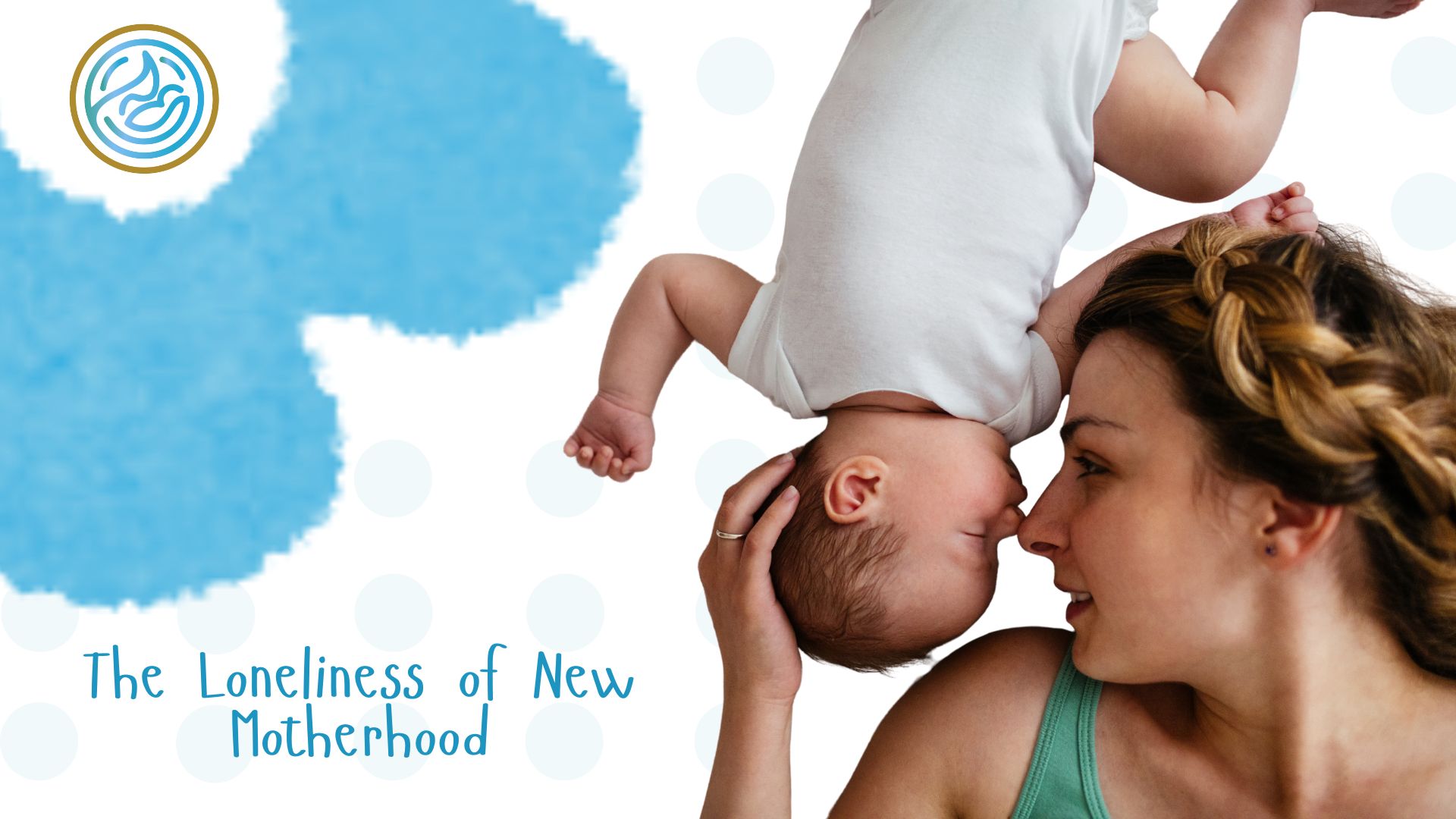
New motherhood is often portrayed as a time of connection, bonding with a baby, support from family, shared joy. Yet for many women, the dominant emotional experience in the early months is not closeness, but loneliness.
This loneliness is rarely spoken about openly. When it is, it is often minimised or quickly reframed as something to be grateful for. As a result, many women feel isolated not only in their daily lives, but in their internal experience as well.
Loneliness in new motherhood is not a personal failing. It is a predictable response to profound biological, emotional, and social change.
Loneliness Can Exist Even When You’re Not Alone
One of the most confusing aspects of postpartum loneliness is that it can occur despite constant company.
Women may feel lonely while:
- Caring for their baby all day
- Surrounded by family
- Receiving practical help
- Being congratulated and celebrated
Loneliness is not the absence of people, it is the absence of being seen, understood, and emotionally met.
The Biological Roots of Postpartum Loneliness
Loneliness in new motherhood is not purely psychological. It is influenced by neurobiology.
After birth:
- Estrogen and progesterone drop sharply
- Oxytocin fluctuates with feeding and bonding
- Dopamine pathways are altered by sleep deprivation
- Cortisol patterns are disrupted
These changes can reduce emotional reward, dampen motivation, and heighten vulnerability, all of which can intensify feelings of isolation.
Loss of Identity and Role Shift
Becoming a mother is not an addition to identity, it is a transformation.
Women often experience:
- Loss of professional or social identity
- Reduced autonomy
- Fewer adult conversations
- A sense of invisibility outside the baby’s needs
Even when motherhood is deeply wanted, this shift can feel disorienting. Grieving previous versions of self does not diminish love for a child, it reflects adjustment to profound change.
Common Experiences Women Rarely Say Out Loud
Many mothers carry unspoken thoughts that deepen isolation.
Symptom Checklist: Emotional Experiences of Postpartum Loneliness
Experience | Often Interpreted As | What It Reflects |
Feeling unseen | Ingratitude | Identity disruption |
Missing old life | Failure to adjust | Normal grief |
Resentment | Being a bad mother | Exhaustion and imbalance |
Emotional flatness | Depression | Hormonal and sleep effects |
Wanting time alone | Rejection of baby | Need for nervous system rest |
Silence around these experiences intensifies shame and isolation.
Why Support Often Feels Inadequate
Postpartum support frequently focuses on:
- Practical tasks
- Baby’s needs
- Physical recovery checklists
What is often missing is:
- Emotional containment
- Space to speak honestly
- Validation without correction
- Continuity of care
Well-meaning reassurance (“enjoy every moment”) can unintentionally shut down authentic expression.
Social Isolation in Modern Motherhood
Historically, women raised children within communal structures. Modern motherhood is often:
- Nuclear
- Isolated
- Performance-driven
- Lacking intergenerational support
Many women spend long hours alone with a baby, navigating intense responsibility without shared context. This environment makes loneliness more likely, not less.
Normal Adjustment vs When Loneliness Needs Support
Loneliness exists on a spectrum.
Table: Expected Emotional Adjustment vs When to Look Deeper
Experience | Common | Needs Attention |
Missing adult interaction | Yes | Persistent withdrawal |
Emotional ups and downs | Yes | Sustained low mood |
Feeling overwhelmed | Yes | Hopelessness |
Wanting reassurance | Yes | Feeling disconnected from baby |
Tearfulness | Early weeks | Ongoing distress |
Recognising when loneliness shifts into emotional risk is essential.
Why Women Struggle to Speak About It
Many women fear that admitting loneliness means:
- They are ungrateful
- They are failing motherhood
- They will be judged
- They will be misunderstood
This fear keeps women silent and silence deepens isolation.
Loneliness Does Not Mean You’re Doing It Wrong
Loneliness often signals unmet needs:
- Emotional attunement
- Rest
- Shared responsibility
- Adult connection
- Self-expression
It is not a reflection of maternal capacity or love.
What Helps Ease Postpartum Loneliness
Meaningful support includes:
- Consistent emotional check-ins
- Non-judgemental listening
- Opportunities for adult conversation
- Validation without fixing
- Permission to feel multiple emotions at once
Connection does not require positivity, it requires presence.
Reframing New Motherhood
New motherhood is not meant to be endured in isolation. Loneliness is not a weakness to overcome, but a signal to be responded to, by families, healthcare systems, and communities.
Women do not need to be stronger. They need to be supported.
Key Takeaway
Loneliness in new motherhood is common, complex, and deeply human. Speaking it aloud does not diminish motherhood, it makes space for healing and connection.