
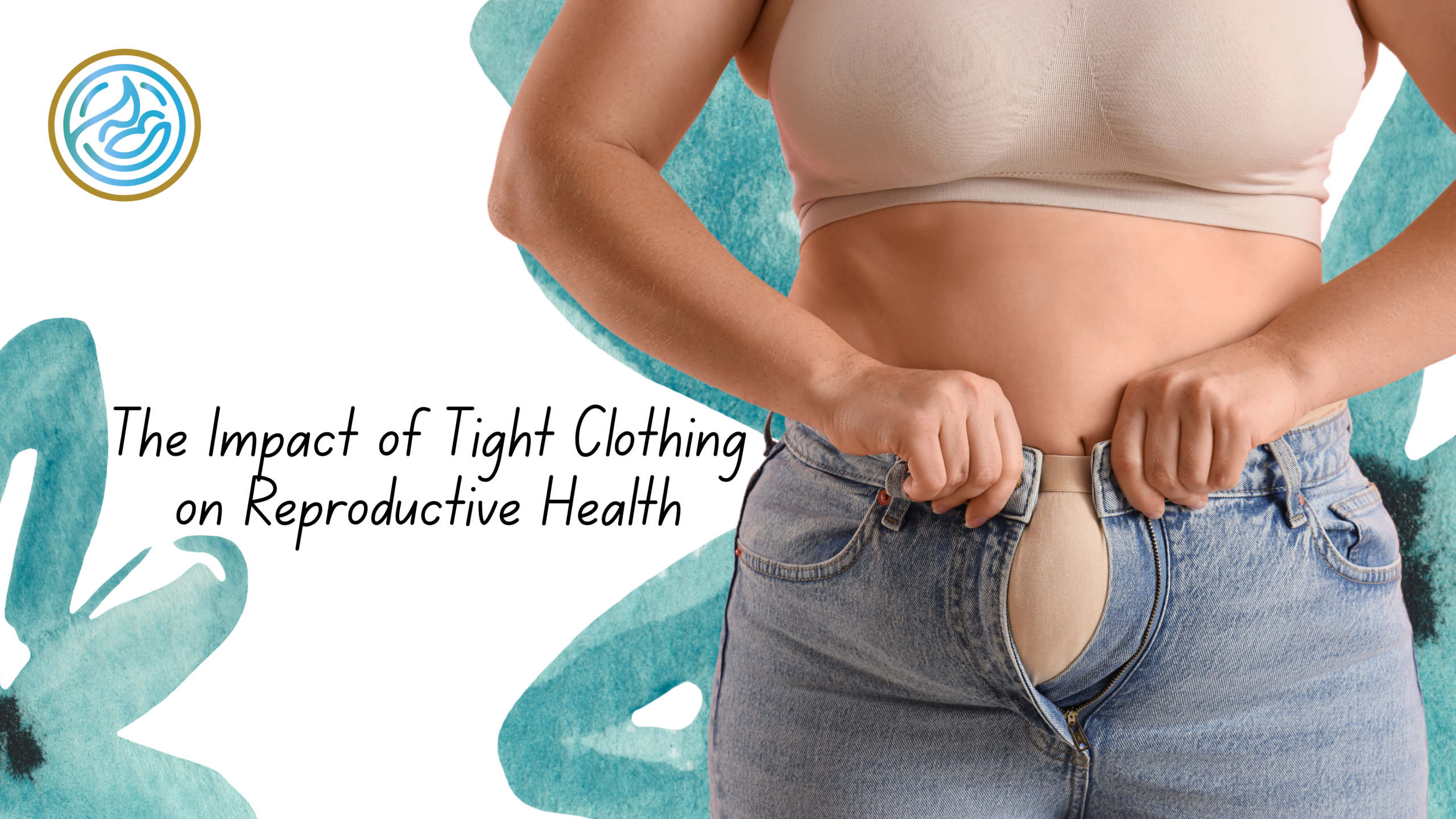
Clothing is often viewed purely as a matter of fashion and comfort. However, what many women do not realise is that tight or restrictive clothing can influence reproductive, pelvic, and even hormonal health in subtle but important ways.
While tight clothing does not directly “cause disease,” it can contribute to discomfort, circulation issues, skin irritation, and in some cases, worsen existing gynaecological symptoms.
Understanding how clothing affects the body helps women make informed choices that support, not strain their reproductive health.
How Tight Clothing Affects the Body
Tight clothing can impact the body through:
- Reduced blood circulation
- Increased heat and moisture
- Compression of abdominal and pelvic organs
- Altered posture and muscle engagement
- Skin irritation and microbial imbalance
These effects may seem minor individually, but over time they can influence reproductive comfort and function.
Pelvic and Abdominal Compression
Clothing such as tight jeans, shapewear, or waist trainers can compress the lower abdomen and pelvis.
Possible effects:
- Increased pelvic pressure
- Reduced comfort during menstruation
- Exacerbation of bloating sensations
- Increased discomfort in conditions like fibroids or endometriosis
For women already experiencing pelvic pain, compression can make symptoms more noticeable.
Circulation and Lymphatic Flow
Proper circulation is essential for tissue health and hormone transport.
Tight clothing may:
- Restrict blood flow in the lower abdomen and legs
- Slow lymphatic drainage
- Contribute to fluid retention sensations
This may worsen feelings of heaviness or swelling.
Impact on Vaginal and Urinary Health
The vaginal area requires a balanced environment, temperature, airflow, and moisture all matter.
Tight clothing can:
- Increase heat and moisture
- Create a favourable environment for yeast growth
- Irritate sensitive skin
- Increase risk of recurrent infections in susceptible women
Symptom Checklist: When Clothing May Be Contributing
Symptom | Possible Link to Tight Clothing |
Recurrent vaginal irritation | Moisture and heat buildup |
Increased bloating sensation | Abdominal compression |
Pelvic discomfort | Pressure on pelvic structures |
Skin chafing or redness | Friction |
Worsening period pain | Increased abdominal tension |
Frequent UTIs or yeast infections | Altered microbial environment |
Normal vs Concerning Effects
Feature | Normal Clothing Effects | Concerning Impact |
Comfort | Mild pressure, no pain | Persistent discomfort or pain |
Skin response | No irritation | Rashes, chafing, or sensitivity |
Pelvic symptoms | None | Worsening pelvic pain |
Infection risk | No change | Recurrent infections |
Daily function | Unaffected | Interference with comfort or movement |
Tight Clothing and Menstrual Health
During menstruation, the body naturally undergoes:
- Uterine contractions
- Increased sensitivity
- Fluid retention
Tight clothing during this time may:
- Increase cramping sensation
- Reduce comfort
- Exacerbate bloating
- Make movement more uncomfortable
Tight Clothing and Conditions Like Endometriosis or Fibroids
Women with underlying gynaecological conditions may be more sensitive.
Tight clothing can worsen:
- Pelvic pressure
- Abdominal pain
- Bloating sensations
- Discomfort during daily activities
This does not cause these conditions but can amplify symptoms.
Impact on Posture and Core Function
Certain tight garments, especially shapewear or waist trainers, can:
- Alter natural posture
- Limit diaphragm movement
- Affect core muscle engagement
Over time, this may contribute to:
- Lower back discomfort
- Pelvic floor tension
- Reduced abdominal mobility
Skin and Microbiome Considerations
The skin and external genital area rely on:
- Airflow
- Dryness balance
- Minimal friction
Tight synthetic fabrics can:
- Trap moisture
- Irritate sensitive skin
- Disrupt natural flora balance
When Tight Clothing Becomes a Problem
Clothing may be contributing to symptoms if:
- Discomfort appears shortly after wearing it
- Symptoms improve when it is removed
- There is recurrent irritation or infection
- Pelvic or abdominal pressure feels worse during wear
Healthier Clothing Choices
1. Fabric Matters
- Cotton and breathable fabrics are preferable
- Reduce synthetic, non-breathable materials for daily wear
2. Fit Matters
- Clothing should support, not compress
- Avoid prolonged restrictive waist compression
3. Timing Matters
- Avoid tight clothing during menstruation or flare-ups of pelvic conditions
- Prioritise comfort during long sitting periods
When to Seek Medical Attention
Women should consult a healthcare provider if they experience:
- Persistent pelvic pain unrelated to clothing
- Recurrent infections despite lifestyle changes
- Severe bloating or abdominal swelling
- Ongoing skin irritation or rashes
- Symptoms that do not improve after removing triggers
Why This Topic Matters
Clothing is often overlooked as a factor in reproductive comfort. However, for many women, small daily habits can contribute to:
- Chronic discomfort
- Irritation or infection recurrence
- Increased pelvic pressure sensations
Recognising these patterns allows for simple but effective adjustments that improve quality of life.
Final Thoughts
Tight clothing is not inherently harmful, but when worn frequently or in sensitive conditions, it can influence reproductive comfort and symptom severity.
The key is balance, choosing clothing that supports both style and physiological comfort. Listening to the body is essential; if something feels restrictive or worsens symptoms, it is worth reconsidering.