
Introduction
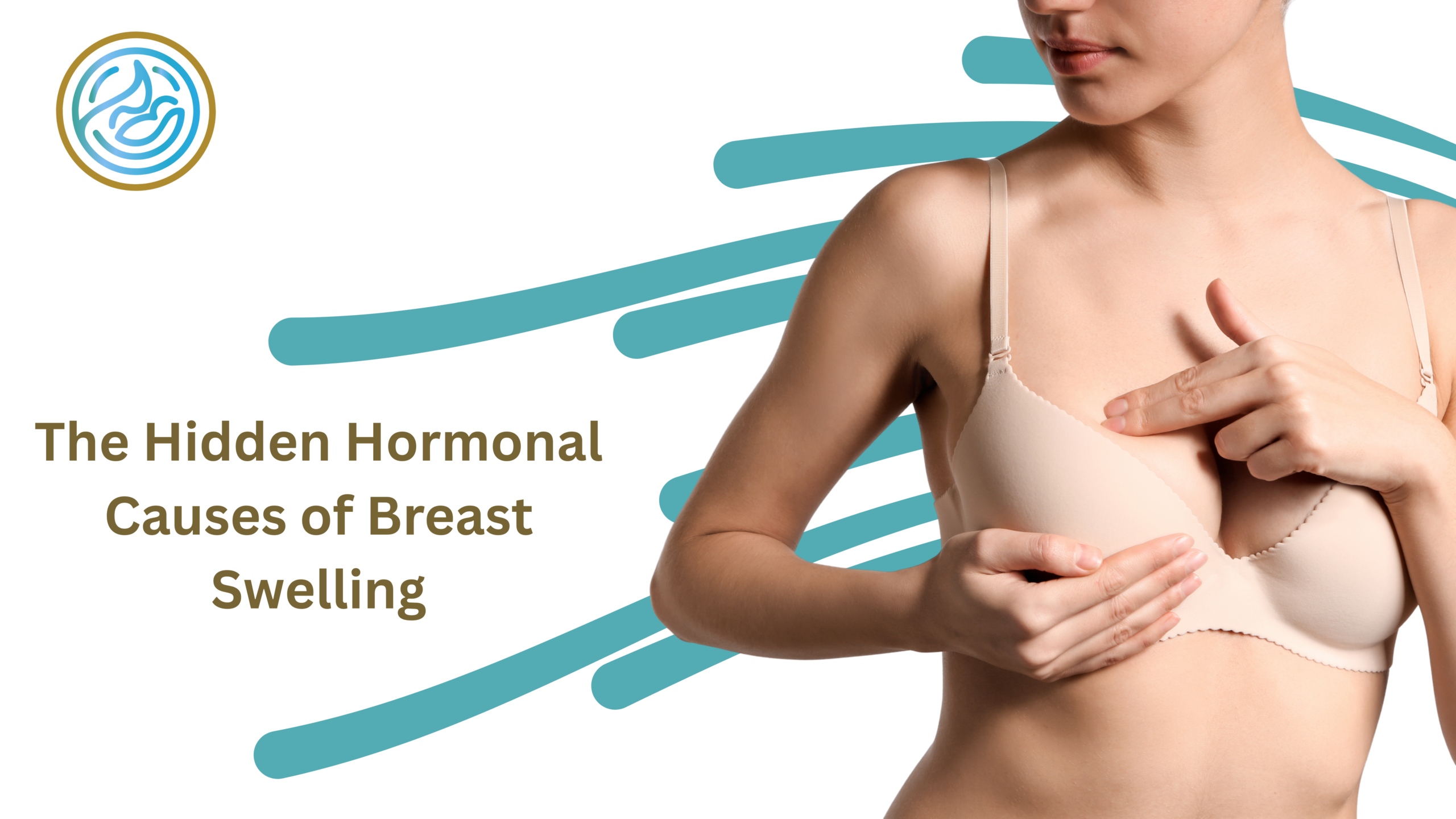
Breast swelling is a common experience for many women and can occur at various stages of life. Some women notice fullness and tenderness before their periods, while others experience swelling during pregnancy, breastfeeding, perimenopause, or as a result of hormonal fluctuations. Although breast swelling is often harmless, it can sometimes cause discomfort, anxiety, and concern about underlying health problems.
The breasts are highly responsive to hormones. Throughout a woman’s reproductive life, hormonal changes influence breast tissue, causing variations in size, sensitivity, density, and fluid retention. In many cases, breast swelling is simply a reflection of the body’s normal hormonal rhythms.
However, because breast changes can occasionally signal medical conditions, it is important to understand the difference between normal hormonal swelling and symptoms that require further evaluation.
Understanding the hidden hormonal causes of breast swelling can help women recognize normal patterns, reduce unnecessary worry, and know when to seek professional medical advice.
Why Breast Tissue Responds to Hormones
Breasts contain:
- Glandular tissue
- Fatty tissue
- Milk ducts
- Connective tissue
- Blood vessels
These tissues are highly sensitive to hormonal changes.
The primary hormones affecting breast tissue include:
- Oestrogen
- Progesterone
- Prolactin
- Oxytocin
Fluctuations in these hormones influence breast size, sensitivity, and fluid retention.
The Role of Oestrogen
Oestrogen is one of the most important hormones affecting breast tissue.
Its functions include:
- Stimulating breast tissue growth
- Increasing blood flow
- Supporting duct development
When oestrogen levels rise, women may notice:
- Fullness
- Swelling
- Tenderness
- Increased breast density
These changes are particularly common during certain phases of the menstrual cycle.
The Role of Progesterone
Progesterone works alongside oestrogen.
After ovulation:
- Progesterone levels increase
- Breast glands become more active
- Fluid retention may occur
This can contribute to:
- Breast heaviness
- Swelling
- Tenderness
Many women notice these symptoms in the days leading up to menstruation.
Why Breast Swelling Often Happens Before a Period
The second half of the menstrual cycle is known as the:
Luteal Phase
During this time:
- Oestrogen remains active
- Progesterone rises
- Breast tissue retains more fluid
As a result, women may experience:
- Enlargement
- Soreness
- Increased sensitivity
Symptoms usually improve once menstruation begins and hormone levels decline.
Symptom Checklist: Common Hormonal Breast Changes
✓ Breast fullness
✓ Mild swelling
✓ Tenderness
✓ Increased sensitivity
✓ Heaviness
✓ Mild lumpiness
✓ Symptoms that occur monthly
✓ Symptoms affecting both breasts
✓ Improvement after menstruation
Understanding Cyclical Breast Swelling
Cyclical breast swelling refers to symptoms that occur in a predictable pattern related to the menstrual cycle.
Typical characteristics include:
- Symptoms before menstruation
- Improvement after the period starts
- Involvement of both breasts
- Recurrent monthly pattern
This type of swelling is usually linked to normal hormonal fluctuations.
Pregnancy and Breast Swelling
One of the earliest signs of pregnancy is breast swelling.
During pregnancy:
- Oestrogen rises dramatically
- Progesterone increases
- Blood flow increases
- Milk-producing structures develop
Women may notice:
- Breast enlargement
- Tenderness
- Tingling sensations
- Visible veins
- Increased nipple sensitivity
These changes prepare the body for breastfeeding.
Breast Changes During Pregnancy
| Early Pregnancy | Later Pregnancy |
|---|---|
| Tenderness | Continued enlargement |
| Fullness | Increased heaviness |
| Tingling | Darkening of areolas |
| Sensitivity | Colostrum production |
| Swelling | More prominent veins |
These changes are considered normal pregnancy adaptations.
The Role of Prolactin
Prolactin is the hormone responsible for milk production.
It increases during:
- Pregnancy
- Breastfeeding
Elevated prolactin levels may contribute to:
- Breast fullness
- Swelling
- Milk production
In some cases, abnormal prolactin levels outside pregnancy may also cause breast symptoms.
Breastfeeding and Swelling
After delivery, milk production begins increasing.
Women may experience:
Breast Engorgement
This occurs when the breasts become overly full of milk.
Symptoms may include:
- Swelling
- Firmness
- Tenderness
- Warmth
Breast engorgement is usually temporary.
Perimenopause and Breast Swelling
Perimenopause is the transition leading up to menopause.
Hormone levels become less predictable during this time.
Fluctuating:
- Oestrogen
- Progesterone
may lead to:
- Breast tenderness
- Swelling
- Intermittent discomfort
Some women notice breast symptoms becoming more noticeable than they were in earlier adulthood.
Why Hormonal Contraception May Cause Swelling
Hormonal contraceptives influence reproductive hormones.
Examples include:
- Birth control pills
- Hormonal injections
- Hormonal implants
- Hormonal intrauterine devices
Some women experience:
- Breast enlargement
- Tenderness
- Fullness
These symptoms often improve as the body adjusts.
Fluid Retention and Breast Swelling
Hormones influence how the body manages fluids.
Increased fluid retention may contribute to:
- Breast heaviness
- Puffiness
- Swelling
This is particularly common before menstruation.
Normal Breast Swelling vs Concerning Symptoms
| Common Hormonal Changes | Symptoms Requiring Medical Evaluation |
|---|---|
| Bilateral swelling | Swelling affecting only one breast |
| Cyclical symptoms | Persistent unexplained swelling |
| Mild tenderness | Significant pain |
| Symptoms linked to periods | Skin changes |
| Improvement after menstruation | New breast lump |
Fibrocystic Breast Changes
Many women have:
Fibrocystic Breasts
This benign condition may cause:
- Lumpiness
- Tenderness
- Swelling
- Cyclical discomfort
Symptoms often worsen before menstruation.
Fibrocystic changes are common and not considered cancerous.
Thyroid Hormones and Breast Symptoms
The thyroid gland influences many bodily functions.
Thyroid disorders may contribute to:
- Breast discomfort
- Menstrual irregularities
- Hormonal imbalances
Women with unexplained symptoms may benefit from medical evaluation.
Stress and Breast Swelling
Chronic stress affects hormone regulation.
Elevated stress hormones may influence:
- Menstrual cycles
- Hormonal balance
- Breast sensitivity
Although stress is not a direct cause of breast swelling, it may contribute to hormonal fluctuations.
Symptom Checklist: Possible Hormonal Causes of Breast Swelling
✓ Symptoms linked to menstrual cycles
✓ Swelling in both breasts
✓ Pregnancy-related breast changes
✓ Symptoms associated with hormonal contraception
✓ Breast tenderness before periods
✓ Cyclical breast discomfort
✓ Breast fullness without infection
When Breast Swelling May Not Be Hormonal
Not all breast swelling is caused by hormones.
Other possible causes include:
Infection
May cause:
- Redness
- Warmth
- Fever
Injury
Can lead to localised swelling.
Certain Medications
Some medications affect fluid balance and hormones.
Breast Conditions
Occasionally, other breast disorders may be responsible.
Warning Signs That Should Not Be Ignored
Symptom Checklist
✓ New breast lump
✓ One-sided swelling
✓ Skin dimpling
✓ Nipple discharge containing blood
✓ Persistent pain
✓ Redness with fever
✓ Significant changes in breast appearance
✓ Swelling that does not improve
How Doctors Evaluate Breast Swelling
Medical assessment may include:
Clinical Breast Examination
To assess the nature of the swelling.
Imaging
Such as:
- Ultrasound
- Mammography
when appropriate.
Hormonal Assessment
If endocrine causes are suspected.
Supporting Breast Health
Helpful strategies include:
Wear a Well-Fitting Bra
Proper support may improve comfort.
Monitor Menstrual Patterns
Tracking symptoms can help identify hormonal links.
Maintain a Healthy Lifestyle
Good nutrition and exercise support overall hormonal balance.
Attend Routine Screenings
Regular breast health assessments remain important.
Lifestyle Factors That May Help
Some women find improvement through:
- Limiting excess salt intake
- Staying hydrated
- Regular exercise
- Managing stress
- Maintaining healthy sleep habits
While these measures may not eliminate symptoms entirely, they can support overall wellbeing.
When to Seek Medical Advice
Consult a healthcare provider if you experience:
Symptom Checklist
✓ Persistent swelling
✓ New breast lump
✓ One-sided changes
✓ Nipple discharge
✓ Skin changes
✓ Fever
✓ Severe pain
✓ Significant breast enlargement
✓ Concerns about breast health
Conclusion
Breast swelling is often a normal response to hormonal fluctuations throughout a woman’s life. Oestrogen, progesterone, prolactin, pregnancy hormones, and changes associated with menstruation, contraception, breastfeeding, and perimenopause can all influence breast tissue and cause temporary enlargement, tenderness, and fullness.
In most cases, hormonal breast swelling follows predictable patterns and improves as hormone levels change. However, persistent symptoms, one-sided swelling, new lumps, skin changes, or unusual nipple discharge should always be medically evaluated.
Understanding the hormonal causes of breast swelling allows women to better recognize normal body changes, reduce unnecessary anxiety, and seek timely medical care when needed. By paying attention to symptom patterns and maintaining regular breast health assessments, women can support both their reproductive and overall wellbeing throughout every stage of life.