
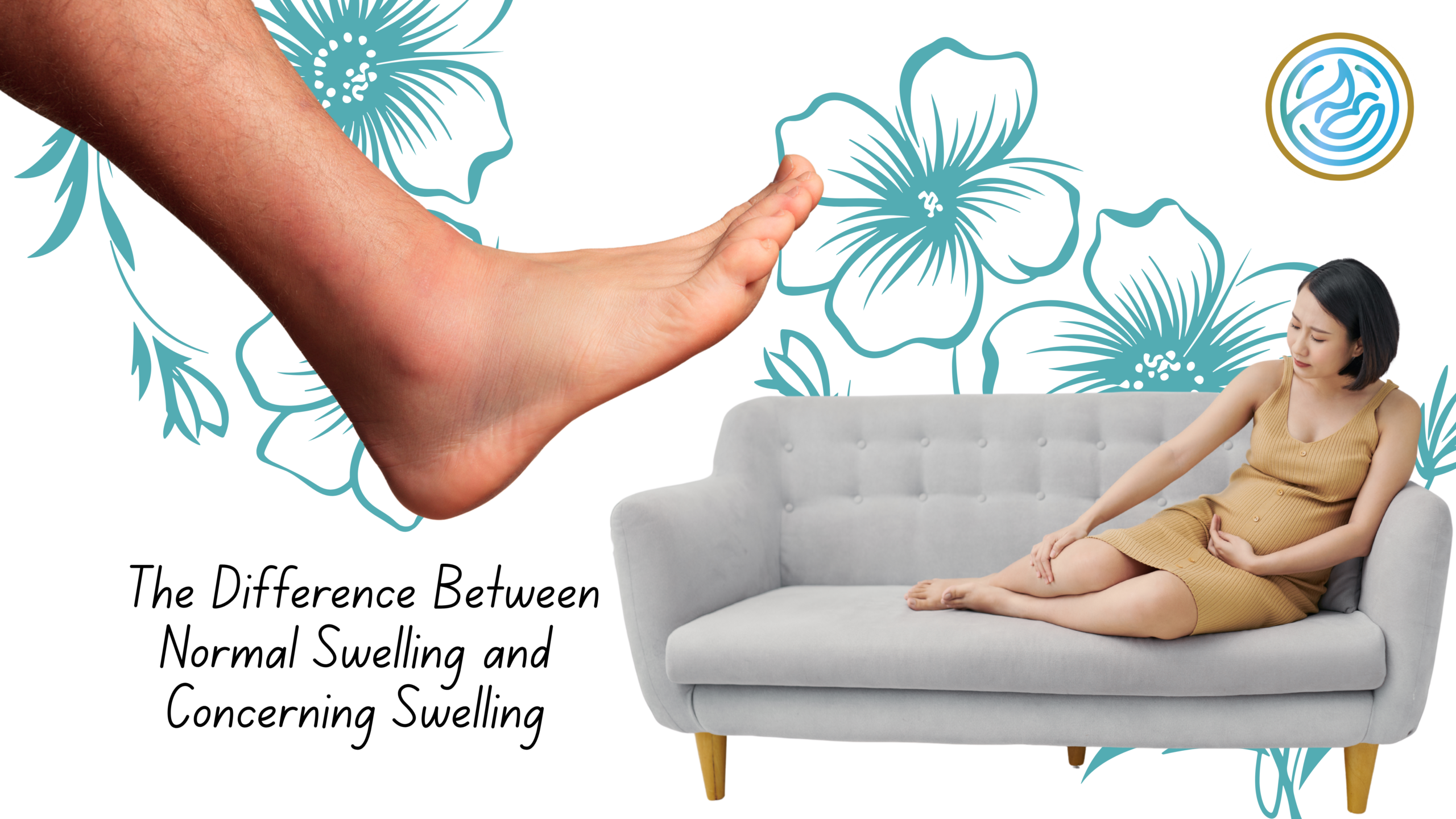
Swelling is something most women experience at various points in life, whether during the menstrual cycle, pregnancy, or after physical activity. In many cases, it is completely normal and temporary.
However, not all swelling is harmless. In some situations, it can signal underlying issues that require medical attention, especially when related to reproductive or systemic health.
Understanding the difference between normal (physiological) swelling and concerning (pathological) swelling is essential for early recognition and appropriate care.
What Is Swelling?
Swelling, or oedema, occurs when excess fluid accumulates in the body’s tissues.
It can affect:
- Abdomen
- Pelvis
- Legs and feet
- Hands
- Face
Why Swelling Happens in Women
Swelling in women is often influenced by:
- Hormonal fluctuations
- Circulatory changes
- Fluid retention
- Inflammatory processes
These factors vary across the menstrual cycle, pregnancy, and different health conditions.
Common Causes of Normal Swelling
1. Hormonal Changes
Hormones, especially oestrogen and progesterone affect fluid balance.
Many women notice:
- Mild bloating before menstruation
- Temporary puffiness
2. Prolonged Standing or Sitting
Fluid can accumulate in the lower limbs due to gravity.
3. Heat and Dehydration
Hot weather can cause blood vessels to dilate, leading to swelling.
4. Pregnancy
Mild swelling is common, especially in the:
- Feet
- Ankles
- Hands
This is due to increased blood volume and pressure from the growing uterus.
Characteristics of Normal Swelling
|
Feature |
Normal Swelling |
|
Onset |
Gradual |
|
Duration |
Temporary |
|
Severity |
Mild |
|
Location |
Often symmetrical |
|
Pain |
Minimal or none |
|
Relief |
Improves with rest or elevation |
When Swelling Becomes Concerning
Swelling may indicate an underlying issue when it is:
- Sudden
- Severe
- Persistent
- Painful
- Associated with other symptoms
Common Causes of Concerning Swelling
1. Infection
Inflammation due to infection can cause:
- Localised swelling
- Pain
- Warmth
- Redness
2. Pelvic or Abdominal Conditions
Swelling in the abdomen may be linked to:
- Ovarian cysts
- Fibroids
- Fluid accumulation
3. Circulatory Issues
Poor circulation or clotting problems may lead to:
- One-sided leg swelling
- Pain or tenderness
4. Pregnancy-Related Complications
Certain types of swelling during pregnancy require urgent attention.
Symptom Checklist: When Swelling May Be Concerning
|
Symptom |
What It May Indicate |
|
Sudden swelling (especially face or hands) |
Possible pregnancy complication |
|
One-sided leg swelling |
Circulatory issue |
|
Painful swelling |
Infection or inflammation |
|
Swelling with redness or warmth |
Infection |
|
Persistent abdominal swelling |
Gynaecological condition |
|
Swelling with shortness of breath |
Fluid imbalance requiring urgent care |
Normal vs Concerning Swelling
|
Feature |
Normal |
Concerning |
|
Onset |
Gradual |
Sudden |
|
Pain |
Mild or none |
Moderate to severe |
|
Location |
Symmetrical |
One-sided or localised |
|
Duration |
Resolves with rest |
Persistent or worsening |
|
Associated symptoms |
Minimal |
Includes pain, redness, breathlessness |
Swelling in Pregnancy: What to Watch For
While mild swelling is common, certain signs should not be ignored.
Normal in Pregnancy
- Mild ankle swelling
- Worse at the end of the day
- Improves with rest
Concerning in Pregnancy
- Sudden swelling of face or hands
- Severe swelling
- Associated headaches or visual changes
These may require urgent evaluation.
Abdominal Swelling vs Bloating
Women often confuse swelling with bloating.
|
Feature |
Swelling |
Bloating |
|
Cause |
Fluid accumulation |
Gas or hormonal changes |
|
Feel |
Tight, stretched |
Full, pressure-like |
|
Duration |
Persistent |
Fluctuating |
|
Response to diet |
Minimal |
Often improves |
Why Swelling Should Not Be Ignored
Persistent or unusual swelling may indicate:
- Underlying inflammation
- Hormonal imbalance
- Circulatory problems
- Gynaecological conditions
Early evaluation can prevent complications and improve outcomes.
When to Seek Medical Attention
Immediate or prompt evaluation is needed if swelling is:
- Sudden or severe
- Painful
- One-sided
- Associated with redness or warmth
- Accompanied by shortness of breath
- Persistent without clear cause
How Swelling Is Evaluated
Assessment may include:
- Medical history
- Physical examination
- Imaging (e.g. ultrasound)
- Blood tests
The goal is to identify the underlying cause rather than just treating the symptom.
Managing Normal Swelling
For mild, non-concerning swelling:
1. Elevation
Raising the legs helps reduce fluid accumulation.
2. Hydration
Adequate fluid intake supports fluid balance.
3. Movement
Regular movement improves circulation.
4. Reducing Salt Intake
Excess salt can worsen fluid retention.
Final Thoughts
Swelling is a common experience but it is not always harmless.
The key is recognising patterns:
- What is typical for your body
- What changes over time
- What is new or unusual
Understanding the difference between normal and concerning swelling allows women to respond appropriately, seeking care when needed and avoiding unnecessary worry when it is not.