
Introduction
Childbirth does not end the moment a baby is born. One of the most important, yet often less discussed, stages of labour is the delivery of the placenta and the immediate biological recovery that follows. This phase marks a critical transition in which the body shifts from a pregnancy-supporting state back toward its non-pregnant baseline.
The period immediately after placenta delivery is medically known as the fourth stage of labour. During this time, the body undergoes rapid hormonal, vascular, and uterine changes designed to prevent bleeding, initiate healing, and restore internal balance.
Understanding this biological recovery process helps explain why new mothers may experience shaking, cramping, emotional changes, fatigue, and sudden physiological shifts after birth. It also highlights the remarkable efficiency of the human body in adapting after pregnancy.
What Happens When the Placenta Is Delivered?
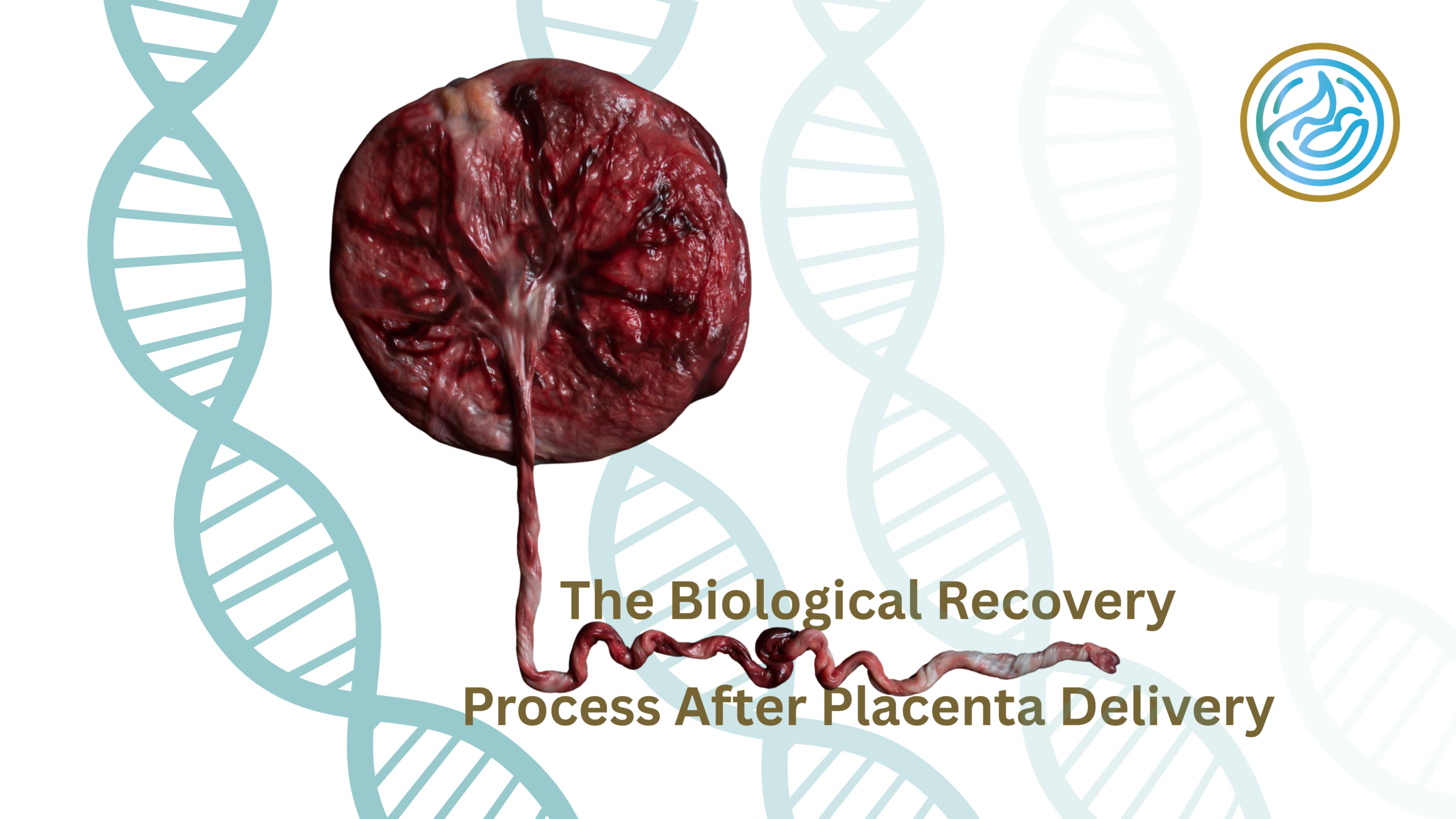
The placenta is a temporary organ that:
- Supplies oxygen and nutrients to the baby
- Removes waste products
- Produces pregnancy hormones
Once the baby is born, the placenta is no longer needed and is delivered shortly after.
This event triggers a rapid physiological shift in the mother’s body.
The Sudden Hormonal Shift
One of the most dramatic changes after placenta delivery is the abrupt drop in pregnancy hormones.
Key hormones that decline include:
- Oestrogen
- Progesterone
- Human chorionic gonadotropin (hCG)
- Placental lactogen
These hormones had been maintaining pregnancy. Their sudden reduction signals the body to begin the postpartum transition.
Oxytocin and Uterine Contraction
After delivery, the hormone oxytocin becomes highly important.
It helps:
- Contract the uterus
- Reduce bleeding
- Promote bonding and breastfeeding
Strong uterine contractions, often called “afterpains,” help compress blood vessels where the placenta was attached.
Why the Uterus Must Contract
During pregnancy, the uterus expands significantly and blood vessels supplying the placenta become large and open.
After delivery:
- These vessels must close quickly
- The uterus must shrink back
Without strong contraction, there is a risk of postpartum haemorrhage.
The “Raw Surface” Inside the Uterus
After the placenta detaches, it leaves behind a large internal surface.
This area:
- Is highly vascular
- Is temporarily exposed
- Begins healing immediately
The body rapidly works to seal and repair this area.
Symptom Checklist: Normal Immediate Post-Delivery Changes
✓ Uterine cramping
✓ Shaking or trembling
✓ Sweating
✓ Fatigue
✓ Mild chills
✓ Emotional fluctuations
✓ Vaginal bleeding (lochia)
✓ Breast changes beginning
Why Women Often Shake After Delivery
Postpartum shaking is very common and usually harmless.
It may be caused by:
Hormonal Changes
Rapid shifts in adrenaline and oxytocin.
Physical Exhaustion
The body has just undergone intense exertion.
Nervous System Reset
The autonomic nervous system recalibrates after labour stress.
This shaking usually resolves within minutes to hours.
Postpartum Bleeding (Lochia)
After placenta delivery, vaginal bleeding occurs as the uterus sheds remaining tissue and heals.
This is known as:
Lochia
It typically changes over time:
- Bright red initially
- Pink or brown later
- Yellow-white as healing progresses
This is a normal part of recovery.
Uterine Involution
The process of the uterus returning to its pre-pregnancy size is called:
Involution
It occurs gradually over several weeks.
During this time:
- The uterus shrinks
- Blood vessels close
- Tissue regenerates
Afterpains are often strongest during breastfeeding due to oxytocin release.
Why Breastfeeding Triggers Uterine Contractions
Breastfeeding stimulates oxytocin release.
This leads to:
- Stronger uterine contractions
- Faster uterine shrinkage
- Increased cramping sensations
Although uncomfortable, this is a beneficial process.
The Role of Blood Vessel Closure
After the placenta detaches:
- Blood vessels at the placental site constrict
- Clotting mechanisms activate
- Uterine muscle fibers compress vessels
This coordinated response prevents excessive bleeding.
Fluid Shifts After Delivery
Pregnancy involves increased fluid volume.
After birth:
- Excess fluid begins to shift and be eliminated
- Urination increases
- Swelling gradually reduces
This process may take several days.
Symptom Checklist: Normal Postpartum Physical Changes
✓ Sweating episodes
✓ Frequent urination
✓ Reduced swelling over time
✓ Breast fullness
✓ Abdominal cramping
✓ Fatigue
✓ Temperature fluctuations
Emotional Changes After Placenta Delivery
Hormonal changes can significantly affect mood.
Women may experience:
- Emotional sensitivity
- Tearfulness
- Mood swings
- Relief or joy
- Anxiety
These emotional shifts are common in the early postpartum period.
Why Some Women Feel Sudden Relief or Emotional Release
The end of pregnancy triggers:
- Hormonal withdrawal
- Physical exhaustion resolution
- Psychological transition to motherhood
This can result in strong emotional responses.
The Role of the Autonomic Nervous System
During labour and immediately after delivery, the autonomic nervous system shifts from:
Sympathetic State (fight or flight)
to
Parasympathetic State (rest and recovery)
This transition contributes to:
- Shaking
- Sweating
- Fatigue
- Relaxation after birth
Pain and Afterpains
Afterpains are uterine contractions that:
- Help reduce bleeding
- Assist uterine shrinkage
They may feel stronger in:
- Multiparous women (women who have given birth before)
- Breastfeeding mothers
Normal vs Concerning Postpartum Symptoms
| Normal Recovery Signs | Symptoms Requiring Medical Attention |
|---|---|
| Moderate bleeding | Heavy bleeding soaking pads quickly |
| Mild cramping | Severe abdominal pain |
| Temporary shaking | Persistent fever |
| Fatigue | Fainting or collapse |
| Emotional changes | Severe depression or psychosis |
Warning Signs of Postpartum Haemorrhage
Seek urgent medical care if you experience:
Symptom Checklist
✓ Excessive bleeding
✓ Large blood clots
✓ Dizziness or fainting
✓ Rapid heartbeat
✓ Weakness
✓ Pale skin
Prompt intervention is critical.
The Healing of the Placental Site
The uterine lining gradually repairs itself through:
- Tissue regeneration
- Blood vessel remodeling
- Immune activity
This healing process continues over several weeks.
Breast Changes After Delivery
Following placenta delivery:
- Milk production begins
- Breasts may feel full or tender
- Hormonal shifts trigger lactation
These changes are part of postpartum adaptation.
Why Energy Levels Drop Suddenly
After birth, many women feel extreme fatigue due to:
- Physical exertion of labour
- Blood loss
- Hormonal changes
- Sleep deprivation
Rest is essential during this phase.
The Body’s Priorities After Birth
Immediately after placenta delivery, the body focuses on:
- Preventing bleeding
- Stabilising circulation
- Initiating recovery
- Beginning lactation (if applicable)
- Emotional recalibration
Recovery Timeline Overview
| Time After Birth | Physiological Changes |
|---|---|
| First Hours | Uterine contraction, shaking, bleeding begins |
| First Days | Fluid shifts, lochia continues |
| First Weeks | Uterus shrinks, energy gradually returns |
| 6 Weeks+ | Significant recovery and stabilisation |
Supporting Postpartum Recovery
Rest
Critical for healing and hormone stabilisation.
Hydration
Supports circulation and milk production.
Nutrition
Essential for tissue repair.
Medical Follow-Up
Ensures safe recovery progression.
When to Seek Medical Advice
Contact a healthcare provider if you experience:
Symptom Checklist
✓ Heavy bleeding
✓ Foul-smelling discharge
✓ Severe abdominal pain
✓ Fever
✓ Persistent dizziness
✓ Signs of infection
✓ Severe emotional distress
Conclusion
The biological recovery process after placenta delivery is a complex and highly coordinated transition that marks the end of pregnancy and the beginning of postpartum healing. Rapid hormonal changes, uterine contraction, blood vessel closure, fluid shifts, and nervous system recalibration all work together to restore the body toward its non-pregnant state.
While symptoms such as shaking, bleeding, cramping, fatigue, and emotional changes may feel intense, they are often normal signs of the body’s remarkable ability to heal and adapt. However, it remains essential to recognise warning signs that may indicate complications requiring medical attention.
Understanding this postpartum phase helps demystify the immediate recovery process and supports women in navigating the early days after childbirth with greater confidence, awareness, and reassurance.