
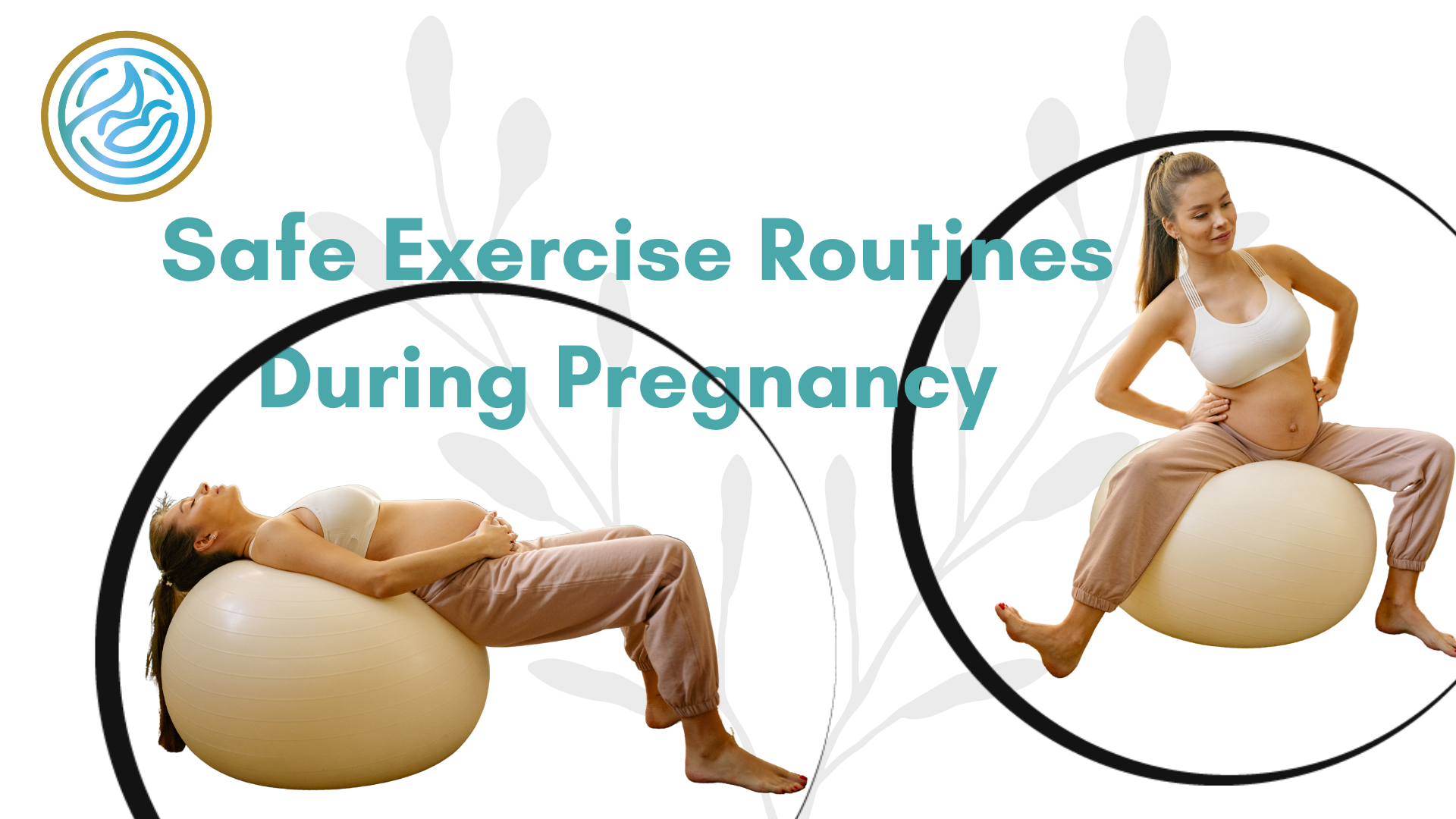
Exercise is one of the best ways to support your body during pregnancy. Far from being dangerous, the right kind of physical activity improves your health, reduces pregnancy discomforts, and even prepares your body for labor. This blog explores safe exercise routines, their benefits, and how to modify them by trimester.
Why Exercise During Pregnancy?
Improves cardiovascular health
Strengthens muscles needed for labor
Reduces back pain, swelling, and fatigue
Helps maintain a healthy weight
Lowers the risk of gestational diabetes and preeclampsia
Improves mood and reduces stress
General Guidelines
Aim for 150 minutes of moderate-intensity exercise per week (e.g., 30 minutes a day, 5 days a week).
Avoid high-impact, contact, or risky sports.
Listen to your body and avoid overexertion.
Stay hydrated and avoid overheating.
Safe Exercise Options
| Exercise | Benefits | Precautions |
|---|---|---|
| Walking | Low-impact, boosts circulation | Wear supportive shoes |
| Swimming/Water aerobics | Relieves pressure on joints, keeps body cool | Avoid overly cold or hot water |
| Prenatal yoga | Improves flexibility, reduces stress | Avoid lying flat after 20 weeks |
| Stationary cycling | Strengthens legs and improves cardio fitness | Ensure bike is stable |
| Strength training | Builds endurance for labor and carrying baby | Use light weights, avoid heavy lifting |
| Pelvic floor exercises | Strengthens muscles that support bladder & uterus | Do daily, safe throughout pregnancy |
Exercises to Avoid
High-impact sports (basketball, soccer, skiing)
Contact sports (boxing, martial arts)
Hot yoga or hot Pilates (risk of overheating)
Exercises lying flat on the back after 20 weeks (may reduce blood flow)
Heavy lifting or breath-holding workouts
Trimester-Specific Recommendations
First Trimester (Weeks 1–12)
Continue pre-pregnancy exercise routine if safe
Focus on low-impact cardio and pelvic floor exercises
Avoid overheating
Second Trimester (Weeks 13–27)
Switch to modified exercises as belly grows
Prenatal yoga, swimming, and walking are excellent choices
Avoid lying flat on the back
Third Trimester (Weeks 28–40)
Gentle movements: walking, stretching, light weights
Prioritize relaxation and breathing exercises
Focus on exercises that prepare for labor (squats, pelvic tilts)
Sample Weekly Routine
| Day | Exercise |
|---|---|
| Monday | 30 min walking + 10 min pelvic floor |
| Tuesday | Prenatal yoga (45 min) |
| Wednesday | 20 min swimming |
| Thursday | Rest or light stretching |
| Friday | 20 min stationary bike + 10 min strength |
| Saturday | Gentle walk or prenatal dance class |
| Sunday | Rest |
Warning Signs to Stop Exercise Immediately
Vaginal bleeding
Severe dizziness or headache
Shortness of breath before exercise
Chest pain
Painful contractions
Fluid leakage
If any of these occur, stop exercising and contact your healthcare provider.
Conclusion
Safe exercise during pregnancy is not only possible but highly recommended. By choosing low-impact activities, adjusting routines by trimester, and listening to your body, you’ll stay strong, reduce discomfort, and prepare for a smoother labor and recovery. Always consult your healthcare provider before starting or modifying your fitness routine.