
Introduction
Family planning is an essential aspect of reproductive health, allowing individuals and couples to control the timing and spacing of pregnancies. Reversible long-term birth control methods are highly effective, provide flexibility, and do not permanently affect fertility.
This blog explores the most popular reversible long-term contraceptive options, how they work, benefits, side effects, and considerations.
What Are Reversible Long-Term Birth Control Methods?
Reversible long-term methods are contraceptives that:
- Provide protection for months or years without daily attention.
- Are reversible, allowing fertility to return once discontinued.
- Are ideal for women who want long-lasting contraception without permanent procedures.
Key insight: These methods combine efficacy, convenience, and reversibility, making them suitable for many reproductive plans.
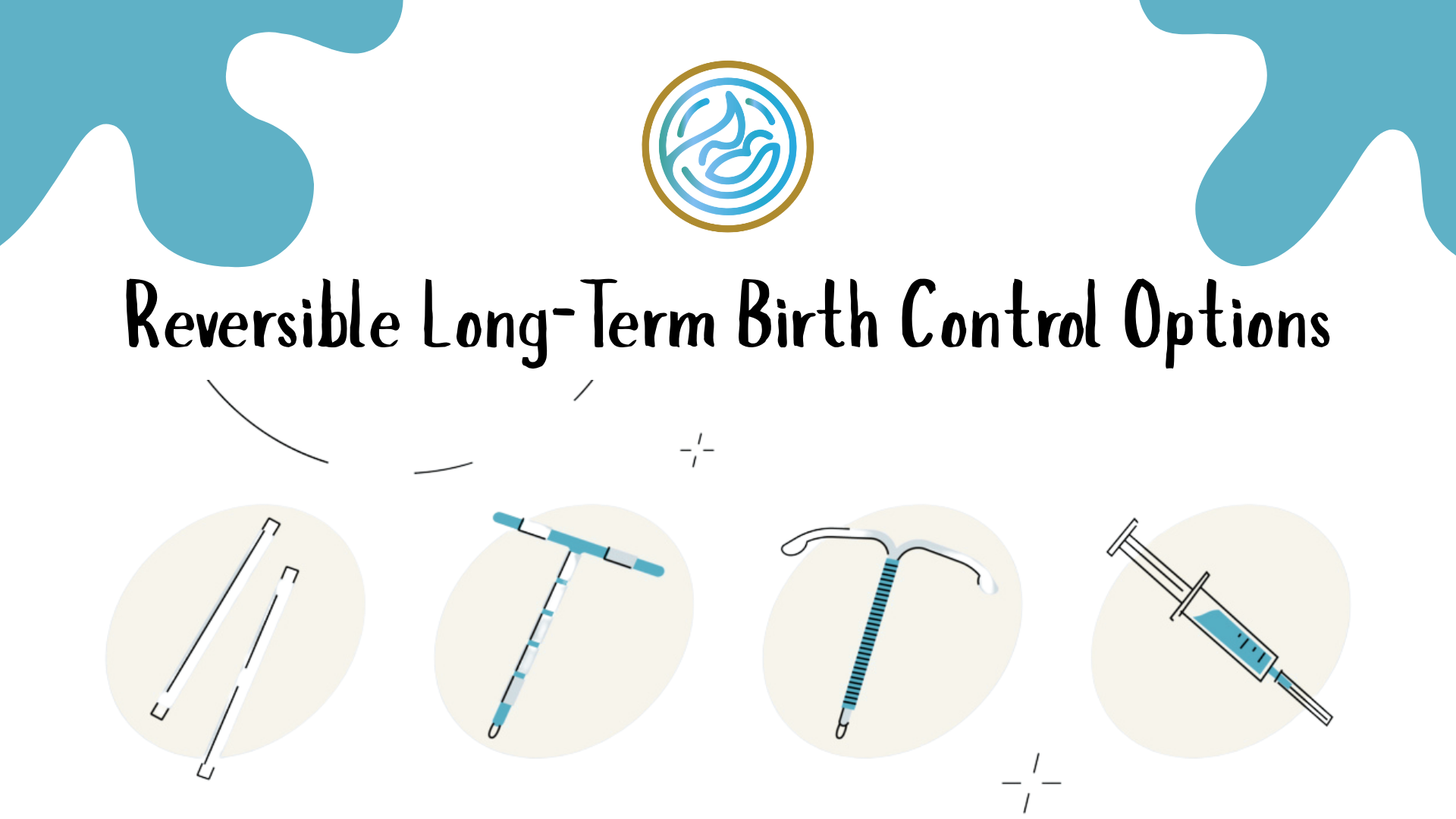
Types of Reversible Long-Term Birth Control
| Method | Duration | How It Works | Effectiveness |
|---|---|---|---|
| Intrauterine Device (IUD) – Copper | Up to 10 years | Releases copper to prevent sperm from fertilizing egg | >99% |
| Hormonal IUD | 3–8 years depending on type | Releases progestin to thicken cervical mucus and suppress ovulation | >99% |
| Contraceptive Implant | Up to 3–5 years | Small rod under the skin releasing progestin | >99% |
| Injectable Contraceptives | Every 8–13 weeks | Progestin injection prevents ovulation | 94–99% |
Intrauterine Devices (IUDs)
- Copper IUD: Hormone-free, effective up to 10 years, may increase menstrual bleeding or cramps initially.
- Hormonal IUD: Releases levonorgestrel, reduces menstrual bleeding, may also decrease cramping.
Pros: Long-term, highly effective, reversible, low maintenance.
Cons: May cause spotting, cramping, or hormonal side effects (for hormonal IUDs).
Contraceptive Implant
- Small, flexible rod inserted under the skin of the upper arm.
- Releases progestin hormone continuously to prevent ovulation.
- Can remain effective 3–5 years depending on the brand.
Pros: Highly effective, discreet, low maintenance.
Cons: Irregular bleeding, possible weight gain, mood changes.
Injectable Contraceptives
- Depo-Provera is the most common type.
- Administered every 8–13 weeks via intramuscular or subcutaneous injection.
- Prevents ovulation and thickens cervical mucus.
Pros: Effective, no daily pill needed, private.
Cons: Possible irregular periods, delayed return to fertility, weight changes, bone density concerns with long-term use.
Choosing the Right Method
| Factor | Considerations |
|---|---|
| Health status | Certain methods may not be suitable for women with hormonal disorders, migraines with aura, or clotting risks |
| Menstrual preferences | Hormonal IUDs may reduce bleeding; copper IUD may increase it |
| Convenience | Implants and IUDs require minimal ongoing attention |
| Reversibility | Consider how quickly you want fertility to return after discontinuation |
| Side effects | Discuss potential hormonal or device-related side effects with a healthcare provider |
Tip: A consultation with a healthcare professional ensures the best match for individual needs and lifestyle.
Effectiveness and Comparisons
| Method | Typical Use Effectiveness | Perfect Use Effectiveness |
|---|---|---|
| Copper IUD | >99% | >99% |
| Hormonal IUD | >99% | >99% |
| Contraceptive Implant | >99% | >99% |
| Injectable Contraceptives | 94% | 99% |
Key insight: Long-term reversible methods are among the most effective contraceptives available, with effectiveness comparable to sterilization but fully reversible.
Benefits of Long-Term Reversible Methods
- Highly effective at preventing pregnancy
- Low maintenance, minimal daily attention required
- Reversible, fertility typically returns within months after discontinuation
- Discreet, especially implants and IUDs
- Can improve menstrual symptoms in some hormonal methods (lighter periods, less cramping)
Side Effects to Be Aware Of
| Method | Common Side Effects |
|---|---|
| Copper IUD | Spotting, heavier periods initially, cramps |
| Hormonal IUD | Irregular bleeding, mild hormonal effects (acne, breast tenderness) |
| Implant | Irregular bleeding, mood swings, possible weight gain |
| Injectable | Menstrual changes, weight changes, delayed return to fertility, bone density loss with prolonged use |
Tip: Most side effects are temporary; discuss persistent or severe symptoms with a healthcare provider.
Key Takeaways
- Long-term reversible birth control methods offer high efficacy, convenience, and flexibility.
- Options include IUDs, implants, and injectables, each with specific benefits and considerations.
- Method choice should consider health, lifestyle, fertility goals, and potential side effects.
- These methods are ideal for women seeking effective, long-lasting contraception without permanent sterilization.
Final Word
Reversible long-term birth control empowers individuals to plan pregnancies safely, maintain control over reproductive health, and adapt fertility plans as needed. By understanding the options, effectiveness, and potential side effects, women can choose a method that fits their lifestyle, health needs, and future reproductive goals.