
Introduction:
Pregnancy is a remarkable journey marked by the anticipation of new life. Central to this transformative process is the crucial role that optimal nutrition plays in ensuring a healthy pregnancy, proper fetal growth, and the overall well-being of both mother and child. In this comprehensive guide, we explore the specific nutritional needs during pregnancy, offering insights into caloric intake, essential macronutrients, vitamins, minerals, hydration, and the importance of consulting healthcare professionals for personalized guidance.
Caloric Intake:
The energy demands during pregnancy increase significantly to support the growing fetus and the physiological changes in the mother’s body. While individual requirements may vary, a general recommendation is an additional 300-500 calories per day. These extra calories should be sourced from nutrient-dense foods, ensuring a well-balanced diet that contributes to the health of both mother and baby.
Protein:
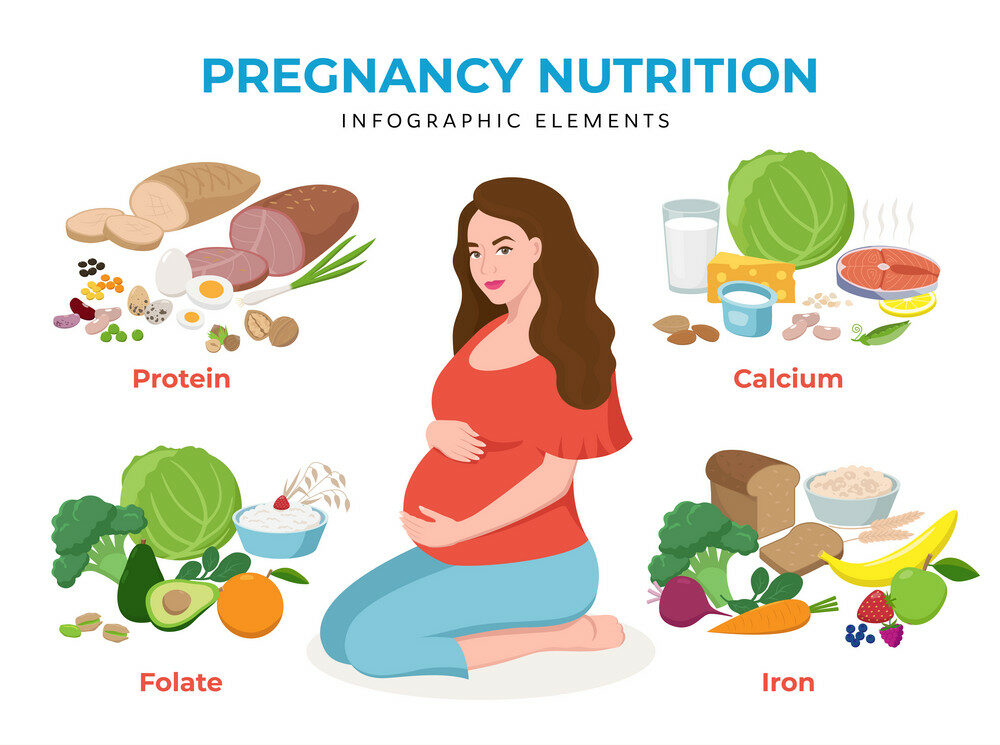
Protein is a cornerstone for the development of the baby’s organs, muscles, and tissues. Pregnant women are advised to incorporate an additional 25 grams of protein daily into their diet. Sources of protein include lean meats, poultry, fish, eggs, dairy products, legumes, and nuts, providing the essential amino acids required for fetal development.
Calcium:
Calcium is vital for the development of the baby’s bones and teeth. Pregnant women should aim for approximately 1,000 milligrams of calcium daily. Dairy products, leafy green vegetables, fortified cereals, and certain types of fish serve as excellent sources of this mineral, promoting skeletal health in both mother and child.
Folate and Folic Acid:
Folate, a B-vitamin, is critical for the early development of the baby’s neural tube, forming the foundation for the brain and spinal cord. Pregnant women are recommended to consume 600 micrograms of dietary folate equivalents daily. Dietary sources include leafy greens, citrus fruits, beans, and fortified cereals. In certain cases, healthcare providers may recommend supplements containing folic acid to ensure adequate intake.
Iron:
Iron is indispensable for the formation of red blood cells and the prevention of anemia, a common concern during pregnancy. Pregnant women require around 27 milligrams of iron per day. Incorporating iron-rich foods such as lean meats, poultry, fish, fortified cereals, and legumes into the diet, along with vitamin C-rich foods to enhance absorption, supports optimal iron levels.
Omega-3 Fatty Acids:
Omega-3 fatty acids, particularly DHA, play a pivotal role in the development of the baby’s brain and eyes. Pregnant women are encouraged to consume fatty fish like salmon, walnuts, flaxseeds, and chia seeds to meet their omega-3 fatty acid needs. In some instances, supplements may be recommended under the guidance of healthcare professionals.
Vitamins and Minerals:
A well-rounded diet should encompass a variety of vitamins and minerals, including vitamin D, vitamin A, vitamin C, and zinc. These nutrients contribute to the overall health of both the mother and the developing baby, supporting various physiological processes.
Hydration:
Adequate hydration is fundamental during pregnancy to support increased blood volume, amniotic fluid, and overall bodily functions. Pregnant women should prioritize drinking plenty of water throughout the day, ensuring optimal hydration levels.
Conclusion:
Meeting the nutritional needs during pregnancy is not only a vital aspect of maternal health but also significantly influences the well-being and development of the growing fetus. A well-balanced and varied diet, coupled with appropriate supplementation when necessary, ensures that both mother and baby receive the essential nutrients required for optimal growth and development. Consulting with healthcare providers or registered dietitians allows for personalized guidance, tailoring nutritional recommendations to individual needs and circumstances, thus promoting a healthy and successful pregnancy journey. Nourishing life begins with nourishing the body during this transformative and extraordinary period.