
Introduction
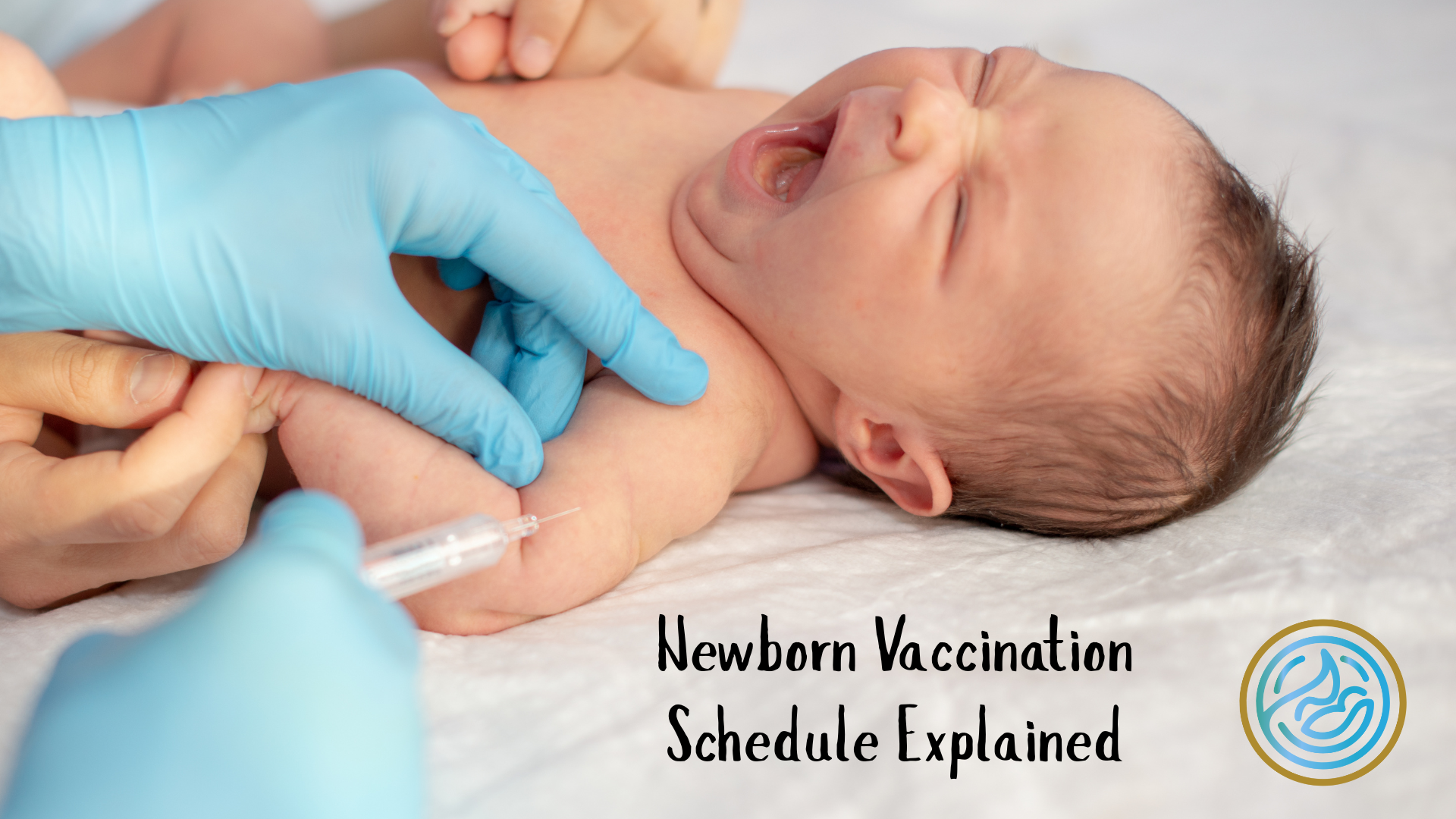
Vaccinations are a cornerstone of infant health, protecting babies from serious and potentially life-threatening diseases. For new parents, understanding which vaccines are given, when, and why is essential. Following the recommended schedule ensures babies develop immunity at the right time while minimizing risks.
This blog explains the newborn vaccination schedule, what each vaccine protects against, and tips for parents to keep their infants safe and healthy.
Why Vaccinations Matter
- Protect against diseases like measles, polio, and hepatitis B.
- Reduce risk of outbreaks in communities.
- Support long-term health by preventing complications.
- Build herd immunity, protecting babies too young to be vaccinated.
Vaccines are rigorously tested for safety and effectiveness before being recommended.
The Newborn Vaccination Schedule
Vaccines are usually administered according to age milestones, starting at birth.
| Age | Vaccine | Purpose |
|---|---|---|
| At birth | BCG | Protects against tuberculosis |
| Hepatitis B (1st dose) | Protects against hepatitis B virus | |
| 6 weeks | DTP (1st dose) | Diphtheria, Tetanus, Pertussis |
| Polio (OPV/IPV 1st dose) | Protects against polio | |
| Hib (1st dose) | Haemophilus influenzae type b, prevents meningitis | |
| Pneumococcal (1st dose) | Prevents pneumococcal infections | |
| Rotavirus (1st dose) | Protects against severe diarrhea | |
| 10 weeks | DTP (2nd dose) | Booster for immunity |
| Polio (2nd dose) | Booster | |
| Hib (2nd dose) | Booster | |
| Pneumococcal (2nd dose) | Booster | |
| Rotavirus (2nd dose) | Booster | |
| 14 weeks | DTP (3rd dose) | Final dose in primary series |
| Polio (3rd dose) | Final dose | |
| Hib (3rd dose) | Final dose | |
| Pneumococcal (3rd dose) | Final dose | |
| 6 months | Hepatitis B (2nd dose) | Booster |
| 9 months | Measles | Protects against measles |
Note: Schedule may vary slightly by country; always follow your local health authority’s guidelines.
Vaccine Descriptions
| Vaccine | Disease Prevented | Importance |
|---|---|---|
| BCG | Tuberculosis | Reduces risk of severe TB, including meningitis |
| Hepatitis B | Hepatitis B virus | Protects liver, prevents chronic infection |
| DTP | Diphtheria, Tetanus, Pertussis | Prevents respiratory and neurological complications |
| Polio | Poliomyelitis | Prevents paralysis |
| Hib | Haemophilus influenzae type b | Prevents meningitis and pneumonia |
| Pneumococcal | Streptococcus pneumoniae | Prevents pneumonia, meningitis, sepsis |
| Rotavirus | Severe diarrhea | Protects digestive system, reduces hospitalization |
| Measles | Measles virus | Prevents high fever, rash, complications |
Tips for Parents
- Keep a vaccination record – Track each shot for future reference.
- Schedule appointments in advance – Ensures timely immunizations.
- Monitor side effects – Mild fever or soreness is common; consult a doctor if severe.
- Do not delay – Delayed vaccinations increase risk of illness.
- Ask questions – Healthcare providers can explain vaccine benefits and side effects.
Common Concerns About Vaccines
| Concern | Fact |
|---|---|
| Vaccines cause autism | Multiple studies confirm no link between vaccines and autism |
| Vaccines overload the immune system | Infants naturally handle thousands of antigens; vaccines are safe |
| Side effects are dangerous | Mild fever or soreness is common; severe reactions are extremely rare |
Handling Multiple Vaccines
Sometimes, babies receive multiple vaccines at one visit. Tips for parents:
- Comfort baby before and after shots.
- Breastfeed or offer a pacifier to reduce pain.
- Monitor baby for 24 hours for fever or unusual behavior.
The Role of Boosters
Vaccines require multiple doses to build and maintain immunity. Booster shots at 4–6 years, adolescence, and adulthood help sustain protection.
When to Delay Vaccination
Vaccination may be postponed if the infant has:
- Severe illness or fever
- Allergic reactions to previous doses
- Specific medical conditions as advised by a pediatrician
Always discuss with a healthcare provider before delaying vaccines.
Key Takeaways
- Vaccines protect infants from life-threatening diseases.
- Following the recommended schedule ensures maximum effectiveness.
- Keep track of doses, monitor for mild side effects, and consult healthcare providers with questions.
- Vaccines are safe, effective, and essential for long-term health.
Final Word
Vaccinations are one of the most important steps in safeguarding your baby’s health. By understanding the schedule, monitoring your infant, and communicating with healthcare providers, you give your child the best start in life, protected against preventable diseases and equipped for healthy development.