
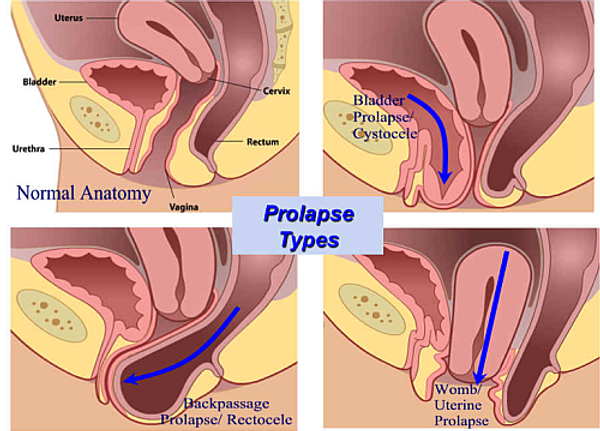
Pelvic organ prolapse (POP) is a condition that affects many individuals, and understanding the diverse range of treatment options is crucial for effective management. In this article, we will explore various approaches available for pelvic organ prolapse, offering insights into non-surgical and surgical interventions. Our goal is to provide individuals and healthcare providers with valuable information to guide informed decisions and personalized treatment plans.
1. Pelvic Floor Exercises (Kegels):
Strengthening the pelvic floor muscles is a foundational step in managing POP. Kegel exercises, involving the contraction and relaxation of pelvic muscles, can enhance support for pelvic organs and alleviate symptoms.
2. Lifestyle Modifications:
Adopting lifestyle changes plays a significant role in managing POP. Maintaining a healthy weight, avoiding heavy lifting, managing chronic conditions like constipation, and incorporating regular physical activity contribute to positive pelvic health.
3. Pessary Use:
A non-surgical option, a pessary is a removable device inserted into the vagina to provide support to displaced organs. Available in various shapes and sizes, it suits individual needs and is beneficial for those who prefer to avoid or delay surgery.
4. Hormone Replacement Therapy (HRT):
Postmenopausal women may consider HRT to address hormonal changes contributing to weakened pelvic tissues. HRT improves tissue elasticity and alleviates symptoms associated with hormonal shifts.
5. Biofeedback and Physical Therapy:
Biofeedback, combined with physical therapy, assists individuals in gaining better control over pelvic muscles. Electronic monitoring provides feedback on muscle activity, helping individuals learn to strengthen and coordinate pelvic floor muscles.
6. Surgery:
In cases where conservative measures are insufficient, surgical intervention may be recommended. Surgical options include repairing weakened tissues, removing excess tissue, or, in severe cases, hysterectomy (removal of the uterus). The choice of surgery depends on prolapse severity, health factors, and personal preferences.
7. Laparoscopic or Robotic-Assisted Surgery:
Minimally invasive procedures, like laparoscopic or robotic-assisted surgery, provide alternatives to traditional open surgery. With smaller incisions, these approaches offer shorter recovery times and reduced postoperative discomfort.
8. Combination Approaches:
Some cases benefit from a combination of treatments. For instance, pelvic floor exercises may complement pessary use, or surgery may be followed by physical therapy to optimize outcomes.
The array of treatment options underscores the importance of individualized care. Consulting with a healthcare professional is crucial to determine the most suitable approach based on prolapse severity, overall health, and personal preferences. Informed decisions and collaborative discussions with healthcare providers pave the way for effective and personalized treatment plans. Whether opting for non-surgical interventions or considering surgical procedures, the goal is to enhance the quality of life for individuals affected by pelvic organ prolapse. Remember, each journey is unique, and a tailored approach ensures the best outcomes in managing POP.