
Introduction
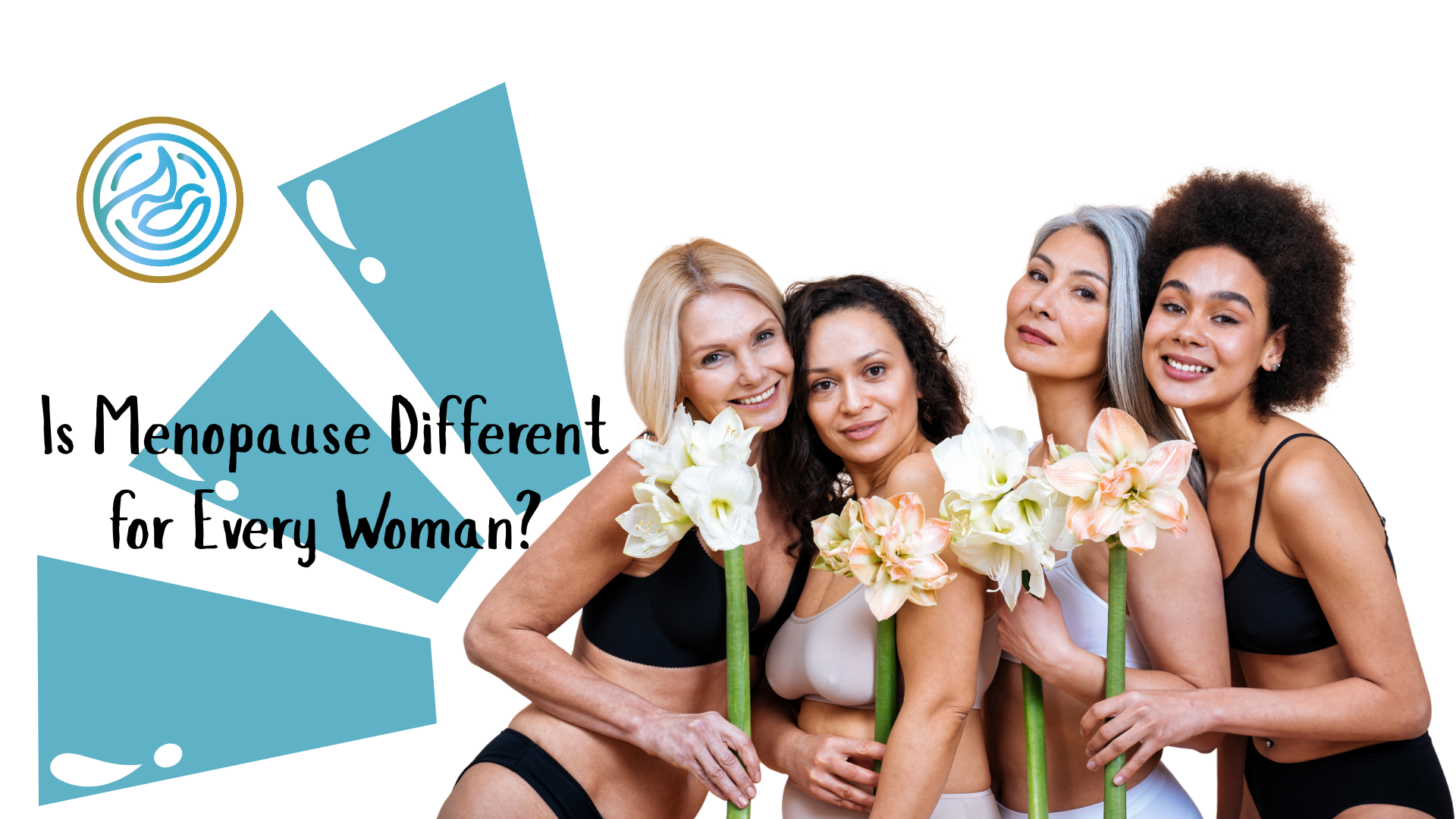
Menopause marks the end of a woman’s reproductive years, typically occurring between ages 45–55. However, the experience of menopause is highly individual symptoms, onset, and duration vary significantly. Understanding these differences helps women prepare, manage symptoms, and maintain quality of life.
This blog explores how menopause varies, common symptoms, factors influencing experiences, and management strategies.
What Is Menopause?
- Defined as 12 consecutive months without a menstrual period.
- Signals a natural decline in ovarian hormone production, particularly estrogen and progesterone.
- Transition begins with perimenopause, which can last several years.
| Stage | Typical Age Range | Key Features |
|---|---|---|
| Perimenopause | 40–50 | Irregular periods, hot flashes, mood changes |
| Menopause | 45–55 | Final menstrual period, reduced fertility |
| Postmenopause | 1+ years after menopause | Symptoms may persist, increased risk of osteoporosis and heart disease |
Common Symptoms of Menopause
| Symptom | Description |
|---|---|
| Hot flashes | Sudden feelings of heat, often with sweating and flushing |
| Night sweats | Hot flashes during sleep, disrupting rest |
| Vaginal dryness | Decreased lubrication causing discomfort during sex |
| Irregular periods | Periods may become unpredictable before stopping |
| Mood changes | Irritability, anxiety, or depression |
| Sleep disturbances | Insomnia or disrupted sleep patterns |
| Decreased libido | Hormonal changes may affect sexual desire |
| Cognitive changes | Memory lapses or difficulty concentrating |
Key insight: Not all women experience every symptom; intensity and duration vary widely.
Factors Influencing Menopause Experience
| Factor | Impact |
|---|---|
| Genetics | Age of menopause often mirrors mother or sisters |
| Lifestyle | Smoking, diet, exercise, and stress influence symptom severity |
| Health conditions | Thyroid disorders, diabetes, or autoimmune diseases may exacerbate symptoms |
| Ethnicity | Some studies suggest differences in hot flash frequency and intensity across ethnic groups |
| Socioeconomic factors | Access to healthcare, stress, and nutrition can affect experiences |
Why Menopause Differs Among Women
- Hormone levels fluctuate differently, some women have gradual decline, others experience rapid drops.
- Individual sensitivity to estrogen loss influences symptoms like hot flashes, mood swings, and sleep issues.
- Preexisting health conditions can worsen or mask symptoms.
- Psychosocial factors stress, support systems, and mental health play a role.
Tip: There is no “standard” menopause; each woman’s journey is unique.
Managing Menopause Symptoms
1. Lifestyle Adjustments
| Strategy | Benefit |
|---|---|
| Balanced diet | Supports heart, bone, and overall health |
| Regular exercise | Reduces hot flashes, improves mood, strengthens bones |
| Sleep hygiene | Promotes restorative sleep, reduces fatigue |
| Stress management | Yoga, meditation, and deep breathing reduce symptom intensity |
2. Hormone Therapy
- Estrogen therapy can relieve hot flashes, night sweats, and vaginal dryness.
- Often combined with progesterone for women with a uterus to protect the endometrium.
- Benefits include improved bone density, mood, and sexual function.
Note: Discuss risks (blood clots, stroke) and benefits with a healthcare provider.
3. Non-Hormonal Treatments
| Treatment | Use |
|---|---|
| Antidepressants (SSRIs) | Reduce hot flashes and mood swings |
| Vaginal lubricants/moisturizers | Alleviate vaginal dryness |
| Gabapentin or clonidine | Sometimes prescribed for severe hot flashes |
4. Alternative and Complementary Approaches
- Herbal supplements (e.g., black cohosh, red clover), consult provider first.
- Acupuncture for hot flashes and stress management.
- Mindfulness and cognitive-behavioral therapy for mood regulation.
When to Seek Medical Advice
Consult a healthcare provider if:
- Symptoms are severe or disabling
- Irregular bleeding occurs after menopause
- Bone density concerns arise
- Emotional distress or depression is significant
Tip: Early intervention improves quality of life and prevents complications.
Key Takeaways
- Menopause is a natural, inevitable transition, but experiences vary widely among women.
- Symptoms range from mild to severe, and not all women will experience the same signs.
- Genetics, lifestyle, health, and psychosocial factors influence onset, intensity, and duration.
- Management includes lifestyle changes, hormone therapy, non-hormonal treatments, and mental health support.
- Individualized care and self-awareness ensure a smoother, healthier transition.
Final Word
Menopause is not a one-size-fits-all experience. By understanding that each journey is unique, women can embrace changes, implement effective management strategies, and maintain health and vitality. Awareness, proactive care, and professional guidance empower women to navigate menopause with confidence, resilience, and well-being.