
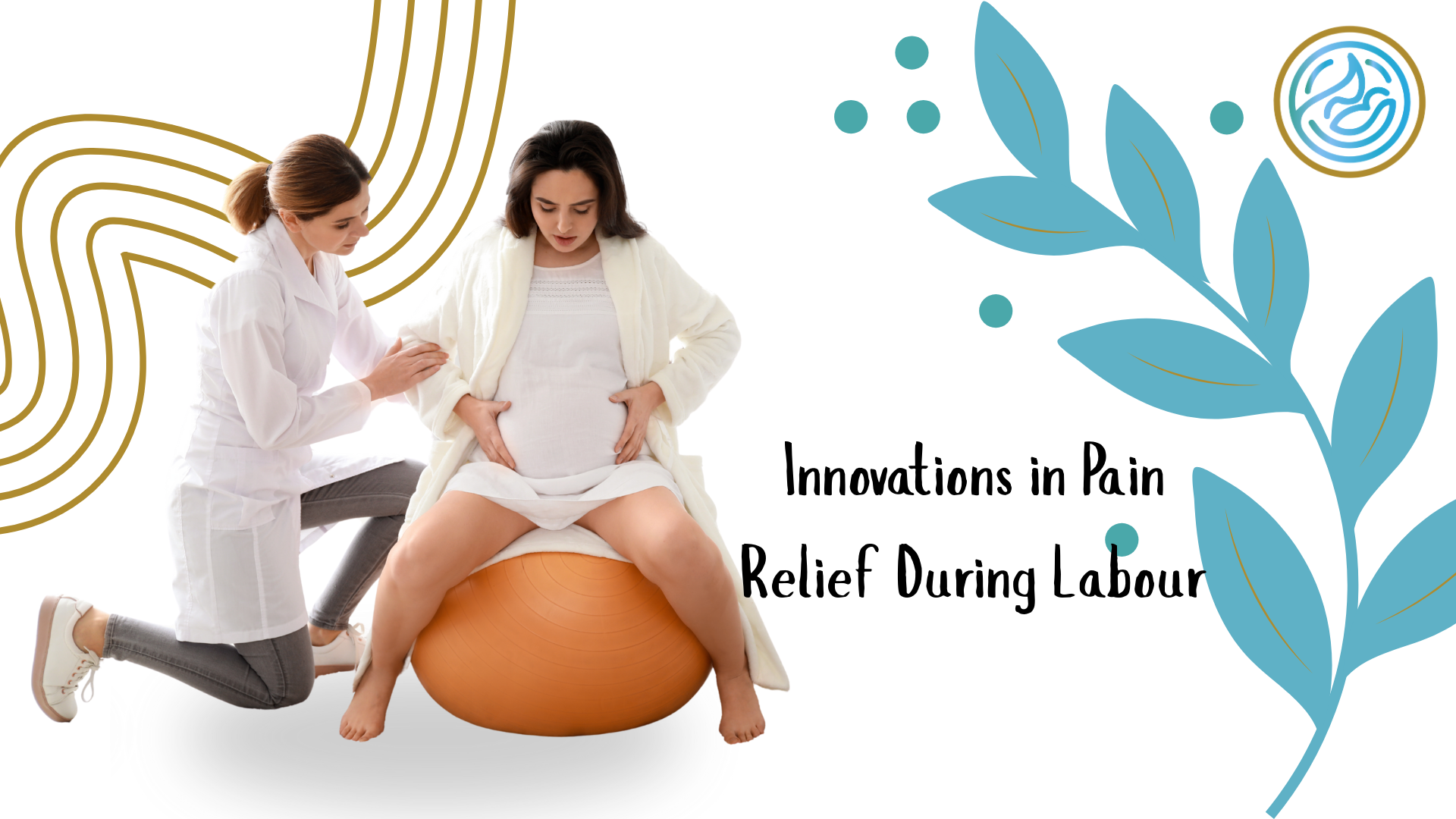
Introduction
Labour is one of the most intense physical experiences a woman can go through. For centuries, women relied on breathing techniques, massages, or herbal remedies to cope with the pain. Today, modern medicine and technology offer a wide range of pain relief options that make childbirth safer and more manageable.
This article explores the latest innovations in labour pain relief, comparing traditional methods with modern advances, and highlighting what’s available to expectant mothers.
Why Pain Relief in Labour Matters
Labour pain is caused by:
- Uterine contractions
- Cervical dilation
- Pressure on the pelvic floor, bladder, and rectum
While pain is a natural part of childbirth, uncontrolled pain can:
- Increase stress and fatigue
- Slow down labour
- Heighten the risk of complications
That’s why pain management is an essential part of maternity care.
Traditional Methods of Pain Relief
Before we explore new innovations, here’s a look at some traditional methods still used today.
| Method | Description | Effectiveness | Limitations |
|---|---|---|---|
| Breathing techniques | Focused breathing to reduce tension | Mild relief | Requires training, limited in severe pain |
| Massage & touch therapy | Partner or doula massage | Moderate relief | Dependent on support person |
| Warm water immersion | Labouring in a birthing pool | Moderate relief, calming | Limited hospital availability |
| Nitrous oxide (“gas & air”) | Inhaled during contractions | Mild to moderate relief | Doesn’t eliminate pain fully |
Modern Innovations in Pain Relief
Recent advances in technology and medicine have transformed labour experiences. Here are some of the most notable innovations:
1. Modern Epidural Techniques
Epidurals are still the gold standard for pain relief in labour, but innovations have improved them significantly.
| Type of Epidural | What’s New? | Benefits |
|---|---|---|
| Patient-controlled epidural (PCEA) | Mother controls dosage with a button | Personalized relief, less overmedication |
| Low-dose epidural (“walking epidural”) | Uses smaller drug doses | Preserves mobility, fewer side effects |
| Combined spinal-epidural (CSE) | Combines fast-acting spinal with continuous epidural | Rapid relief plus long-lasting effect |
2. Remifentanil PCA (Intravenous Pain Control)
- Remifentanil is an ultra-short-acting opioid administered through an IV pump.
- The mother controls the timing of doses (patient-controlled analgesia).
- Provides quick relief, especially useful when epidural is not available or contraindicated.
Limitations: Requires close monitoring of oxygen levels, and not all hospitals offer it.
3. TENS (Transcutaneous Electrical Nerve Stimulation)
TENS uses small electrodes placed on the lower back to deliver mild electrical impulses.
- Reduces perception of pain by stimulating nerves.
- Safe, non-invasive, and drug-free.
- Can be used early in labour and at home before hospital admission.
| Pros | Cons |
|---|---|
| Non-invasive, no drugs | Less effective in advanced labour |
| Can be self-administered | May feel uncomfortable for some women |
4. Nitrous Oxide with Modern Delivery Systems
Although nitrous oxide (“gas and air”) has been used for decades, new delivery systems have improved its effectiveness.
- Portable, self-administered inhalers now allow women to use it more flexibly.
- Quick onset and quick clearance from the body.
- No effect on the baby.
5. VR (Virtual Reality) for Labour Pain
Virtual reality headsets are a new non-medical innovation.
- Distracts the brain by immersing the mother in calming environments (e.g., beaches, forests).
- Helps reduce perception of pain and anxiety.
- Early studies show VR reduces the need for additional pain medications.
6. Acupuncture and Acupressure Integration
Increasingly used in maternity wards, acupuncture and acupressure are now supported by modern research.
- Helps stimulate endorphin release.
- Can be combined with medical pain relief methods.
- Special acupressure wristbands are now available for mothers who prefer a drug-free approach.
7. Hypnobirthing and Digital Apps
Hypnobirthing is not new, but mobile apps and online programs now make it widely accessible.
- Uses deep relaxation, breathing, and visualization techniques.
- Apps provide guided audio tracks during labour.
- Studies show it reduces the need for epidurals in some women.
8. Aromatherapy Diffusers in Hospitals
Many hospitals now allow essential oil diffusers during labour.
- Oils like lavender and clary sage may reduce stress and promote relaxation.
- Works best as a complementary method, not a standalone pain relief.
Comparing Old and New: What Works Best?
| Method | Pain Relief Strength | Safety | Accessibility |
|---|---|---|---|
| Breathing & massage | Mild | Very safe | High (anywhere) |
| Warm water immersion | Moderate | Safe | Limited (birthing pools) |
| Epidural (modern techniques) | Very strong | Safe with monitoring | Widely available |
| Remifentanil PCA | Strong | Requires monitoring | Limited hospitals |
| TENS | Mild to moderate | Very safe | Portable devices |
| VR distraction therapy | Mild to moderate | Safe | Experimental |
| Hypnobirthing apps | Mild | Very safe | Widely available |
Safety Considerations
While innovations improve labour experiences, not every method is suitable for every woman. Safety depends on:
- Maternal health conditions (e.g., high blood pressure, asthma).
- Baby’s condition during labour.
- Availability of monitoring equipment (especially for opioids and epidurals).
Always discuss options with your healthcare provider well before delivery.
Looking Ahead: The Future of Pain Relief in Labour
Future innovations are focusing on:
- Personalized pain relief plans using AI to predict what works best for each woman.
- Wireless monitoring systems that allow mobility during epidural use.
- Advances in non-drug methods, such as advanced VR environments and biofeedback wearables.
Key Takeaways
- Pain relief in labour has advanced significantly, from traditional methods to cutting-edge innovations.
- Options range from drug-free (TENS, VR, hypnobirthing) to medical approaches (epidurals, remifentanil PCA).
- The best choice depends on the woman’s health, preferences, and hospital resources.
- The future holds exciting developments in personalized and technology-driven care.
Final Word
Labour pain is deeply personal, and no single method works for everyone. Innovations in pain relief have given women more control, comfort, and choice than ever before. By exploring both medical and non-medical options, mothers can find the approach that fits their needs making childbirth not just about endurance, but also empowerment.