
Introduction
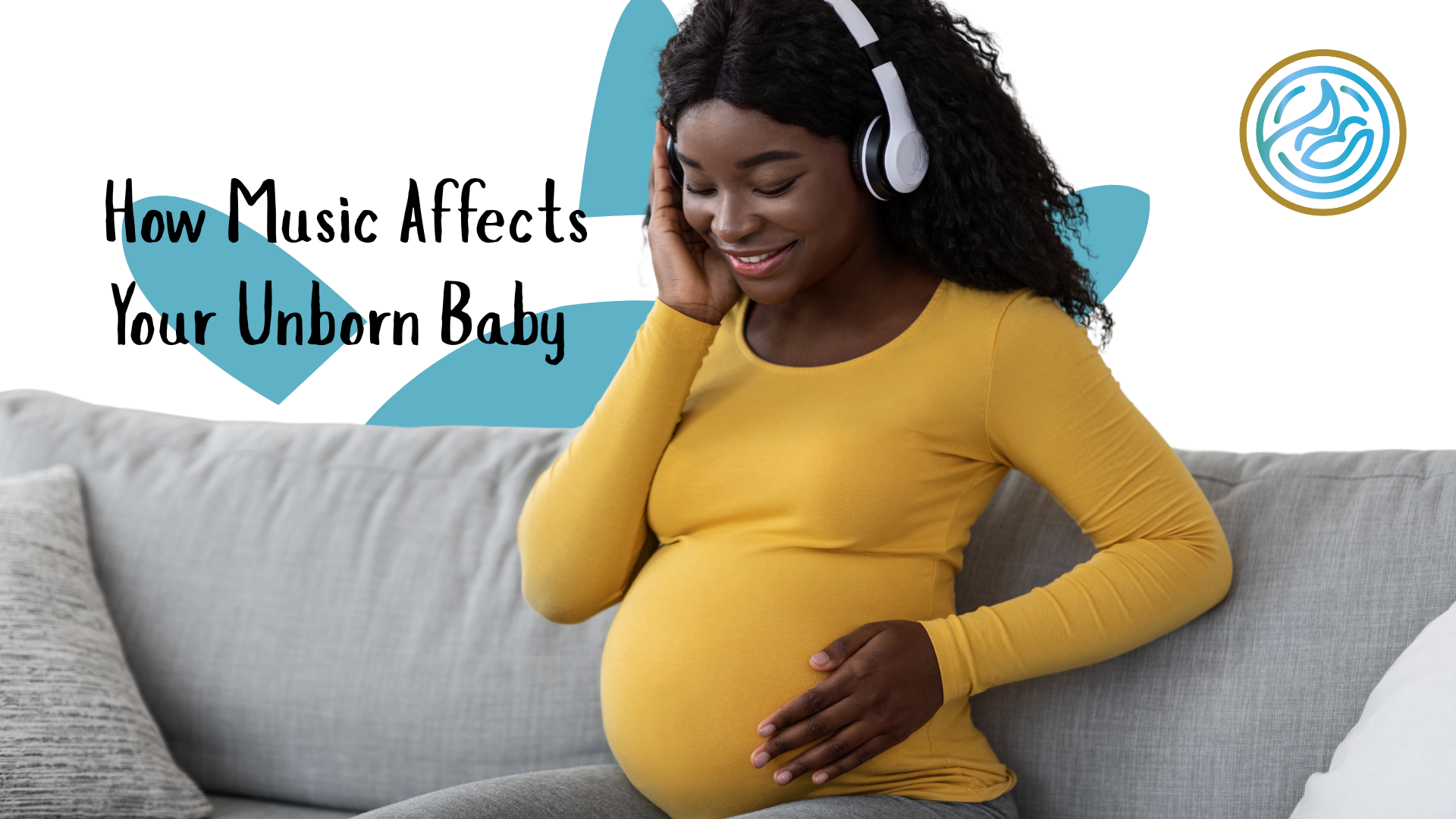
Pregnancy is a transformative journey, and many parents wonder how to stimulate their baby’s development before birth. Music is a simple, enjoyable way to engage with your unborn child. Research suggests that exposure to music in utero can influence brain development, hearing, and even emotional bonding.
This blog explores how music affects unborn babies, the types of music that may be beneficial, and tips for safe listening.
How Babies Hear in the Womb
- Around 18 weeks: The inner ear begins to develop.
- By 25–26 weeks: Fetuses can start hearing sounds from outside the womb.
- By 32 weeks: Babies respond to familiar voices and musical tones.
Sounds are transmitted through amniotic fluid, which muffles high-frequency noise, making lower tones more perceivable.
Benefits of Music for Unborn Babies
| Benefit | Explanation |
|---|---|
| Auditory development | Stimulates the auditory cortex and sound recognition |
| Emotional bonding | Calms baby and strengthens parent-fetus connection |
| Fetal movement response | Babies often kick, move, or change breathing patterns in response to music |
| Soothing effects | Gentle music can reduce fetal stress indicators |
| Early memory formation | Babies may recognize music after birth, showing preference for familiar melodies |
Key insight: Music is not just entertainment, it’s a developmental tool that contributes to sensory and emotional growth.
Types of Music and Their Effects
| Music Type | Effect on Baby | Suggested Use |
|---|---|---|
| Classical (Mozart, Bach) | Can encourage calm and focus | 10–20 min sessions, moderate volume |
| Lullabies | Soothing, familiar tones | Sing or play daily for bonding |
| Nature sounds / ambient music | Relaxing, reduces stress for mother and baby | Use during rest or meditation |
| Upbeat / rhythmic music | May increase fetal movement | Short bursts, not excessive volume |
| Parent’s voice | Strongest bonding stimulus | Speak, read, or sing directly to abdomen |
How Babies Respond to Music
- Fetal movement: Kicking, rolling, or changing position.
- Heart rate changes: Can indicate excitement or calming effects.
- Post-birth recognition: Newborns often calm when hearing music or voices they heard in utero.
Interesting fact: Babies can sometimes distinguish between different melodies and show preferences for music heard repeatedly during pregnancy.
Tips for Using Music During Pregnancy
- Moderate volume: Keep sound below 60–70 decibels to protect fetal hearing.
- Short sessions: 10–30 minutes is sufficient; prolonged exposure is unnecessary.
- Repetition: Play favorite pieces consistently to help your baby recognize them.
- Sing to your baby: Your voice is particularly meaningful and fosters bonding.
- Combine with touch: Place hands on your belly while playing music for multi-sensory engagement.
- Stay relaxed: Babies pick up on maternal stress, so enjoy music yourself.
Music and Maternal Benefits
- Reduces stress and anxiety in the mother, which in turn benefits fetal health.
- Enhances emotional connection with the baby.
- Encourages mindful relaxation, which can support overall pregnancy well-being.
Note: Maternal state matters as much as the music itself. Calm, happy parents often produce calmer, healthier babies.
Safe Listening Guidelines
| Guideline | Reason |
|---|---|
| Avoid very loud music | Protects fetal hearing |
| Limit earphones directly on belly | Prevents excessive intensity |
| Choose soothing music most of the time | Supports relaxation, not overstimulation |
| Observe fetal responses | Adjust volume or type of music based on baby’s movement |
Combining Music with Other Prenatal Activities
- Reading aloud: Combines auditory stimulation with bonding.
- Prenatal yoga or meditation: Music enhances relaxation.
- Gentle belly massage: Multi-sensory stimulation promotes development.
Tip: Music works best as part of a holistic prenatal routine rather than in isolation.
Key Takeaways
- Babies can hear and respond to music as early as 25–26 weeks gestation.
- Music can support auditory, emotional, and cognitive development.
- Both the type of music and maternal emotional state matter.
- Singing, lullabies, and consistent melodies promote recognition and bonding.
- Keep sessions moderate in volume and duration to ensure safety.
Final Word
Music is a powerful tool that allows parents to connect with their unborn baby, stimulate early brain development, and create a calming environment. While it’s not a replacement for medical care or direct interaction after birth, incorporating music into your pregnancy routine can foster emotional closeness and provide a joyful, developmental boost for your little one.