
You have delivered your baby, survived labour or a C-section, and finally returned home. Your attention is now on feeding, changing nappies, recovering and adjusting to life with your newborn. You may assume that the most dangerous part of pregnancy is behind you.
But there is something every new mother should know: high blood pressure can develop for the first time after childbirth, even if your blood pressure was normal throughout pregnancy.
In some cases, postpartum high blood pressure can become a serious condition called postpartum pre-eclampsia. Without timely treatment, it can lead to seizures, stroke and other life-threatening complications.
The challenge is that some warning signs can be mistaken for ordinary postpartum exhaustion, dehydration, a lack of sleep or a normal headache after delivery.
Understanding what is normal, what is concerning and when to seek help can make a critical difference.
1. Why can blood pressure rise after childbirth?
Blood pressure is the force of blood pushing against the walls of your blood vessels. During pregnancy, your body undergoes significant changes in blood volume, circulation, hormones and fluid balance.
After delivery, your body begins adjusting again. Fluid shifts, changes in circulation and other physiological processes can affect your blood pressure during the postpartum period.
Some women already have chronic hypertension or develop high blood pressure during pregnancy. Others develop high blood pressure only after giving birth.
Blood pressure can also rise during the days following delivery, which is why a normal reading before you leave hospital does not guarantee that your blood pressure will remain normal at home.
Who may be at increased risk?
You may have a higher risk of postpartum hypertension or pre-eclampsia if you:
- Had pre-eclampsia or high blood pressure during pregnancy.
- Had chronic hypertension before becoming pregnant.
- Have kidney disease, diabetes or certain other medical conditions.
- Have had pre-eclampsia in a previous pregnancy.
- Experienced complications during pregnancy that affected your blood pressure.
- Have other recognised risk factors, including some pregnancy-related and cardiovascular risk factors.
However, postpartum pre-eclampsia can occur in women who had no previous diagnosis of hypertension and whose pregnancy appeared uncomplicated.
Not having risk factors does not mean you can ignore warning signs.
2. What is postpartum pre-eclampsia?
Pre-eclampsia is a pregnancy-related disorder involving high blood pressure and possible damage to organs such as the kidneys, liver or brain. It can also affect blood clotting and the placenta during pregnancy.
Postpartum pre-eclampsia refers to pre-eclampsia that develops after childbirth. It often appears within the first 48 hours, but it can develop later, including after a woman has gone home. It is commonly recognised within the first six weeks after delivery, although related postpartum blood pressure problems may persist beyond this period.
It can cause serious complications, including:
- Seizures, known as eclampsia.
- Stroke.
- Fluid accumulation in the lungs, causing breathing difficulties.
- Kidney or liver complications.
- Rarely, life-threatening organ damage.
Postpartum pre-eclampsia is not something you can reliably diagnose at home based on symptoms alone. It requires urgent medical assessment, blood pressure measurement and, when indicated, blood and urine tests.
It is also important to understand that severe postpartum hypertension can be dangerous even when a woman does not have all the features of pre-eclampsia.
3. Warning signs you should never ignore
Many new mothers experience fatigue, discomfort and interrupted sleep. However, certain symptoms should never automatically be attributed to the demands of caring for a newborn.
| Warning sign | Why it matters |
|---|---|
| Severe or persistent headache | May indicate dangerously high blood pressure or neurological complications, especially if it does not improve with usual measures. |
| Blurred vision, flashing lights or other visual changes | Can be a warning sign of severe hypertension or pre-eclampsia. |
| Severe pain in the upper abdomen, particularly under the right ribs | May indicate liver involvement associated with pre-eclampsia. |
| Shortness of breath or difficulty breathing | May indicate fluid in the lungs or another serious complication. |
| Chest pain | Requires emergency assessment because it may signal a serious cardiovascular or lung problem. |
| Sudden confusion, weakness, difficulty speaking or a seizure | May indicate a stroke or another neurological emergency. |
| Sudden swelling of the face or hands | Can occur with pre-eclampsia, especially when accompanied by other symptoms. |
| Severe nausea or vomiting with other warning signs | May accompany a serious blood pressure complication. |
Swelling of the feet and ankles is common after childbirth, particularly following a C-section or intravenous fluids. However, sudden or worsening swelling—especially with headache, visual changes, upper abdominal pain or breathing difficulty—requires urgent assessment.
When should you seek emergency care?
Seek emergency medical care immediately if you have a severe or persistent headache with concerning symptoms, visual changes, chest pain, difficulty breathing, severe upper abdominal pain, confusion, weakness or a seizure. Do not wait for a routine postpartum appointment.
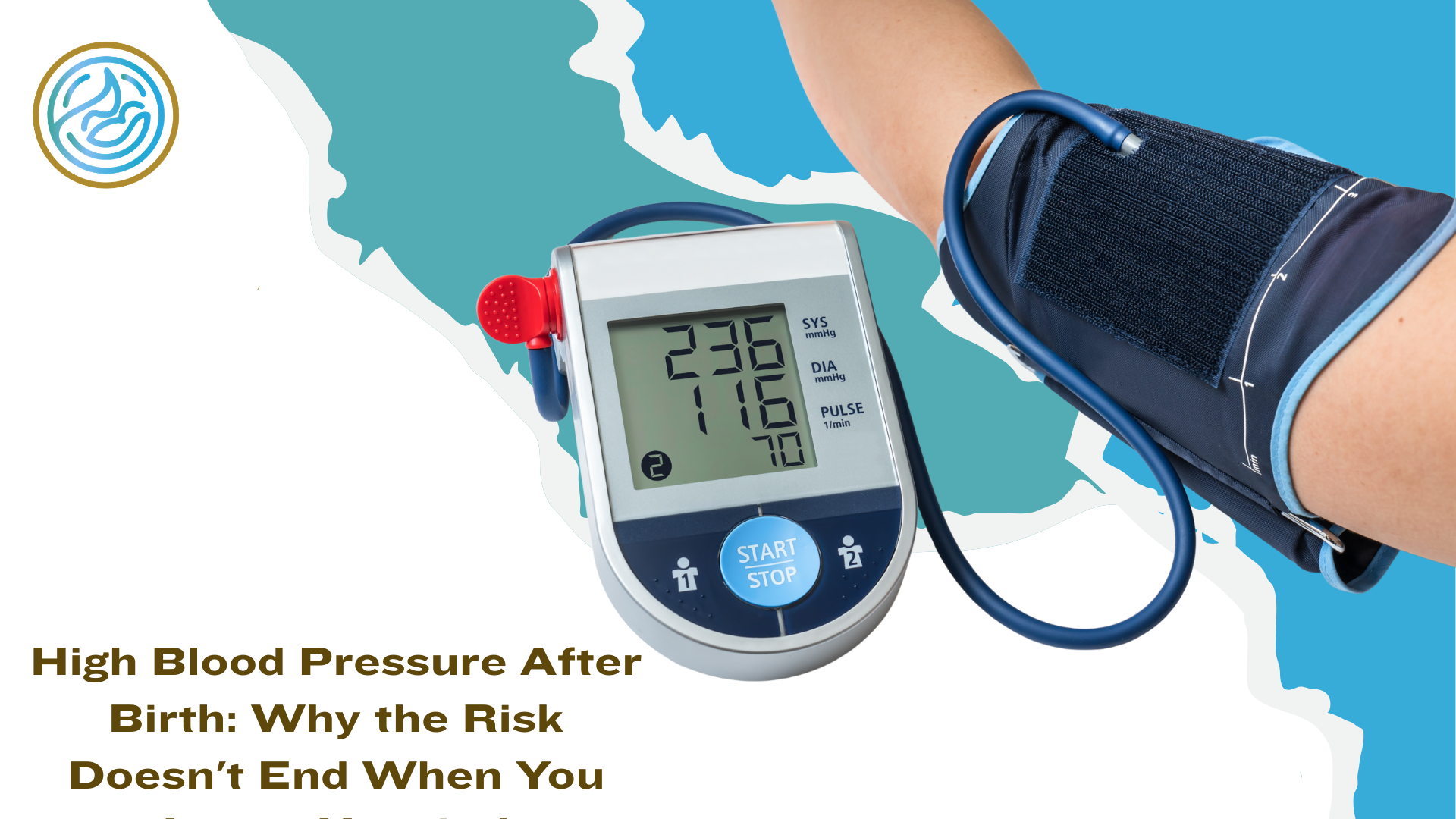
If you measure your blood pressure and it is 160 mmHg or higher systolic, or 110 mmHg or higher diastolic, this is severely elevated and requires emergency assessment. Do not delay care while repeatedly checking the reading or waiting for symptoms to appear.
A reading of 140/90 mmHg or higher is also abnormal in the postpartum context and warrants prompt medical advice, particularly if it persists or you have symptoms. Your healthcare professional can advise how urgently you need to be assessed.
If you feel severely unwell, seek help regardless of the number on your blood pressure monitor.
4. Can high blood pressure develop if your pregnancy was normal?
Yes. This is one of the most important facts for new mothers to understand.
You might have attended all your antenatal appointments, had normal blood pressure readings and delivered a healthy baby. You may then develop high blood pressure days later.
Because the condition can begin after discharge, it is important to know where to seek care if symptoms develop.
Do not assume that postpartum pre-eclampsia only affects women who had high blood pressure during pregnancy. Nor should you assume that a C-section, an uncomplicated vaginal delivery or a healthy newborn means you are protected from postpartum complications.
The postpartum period is still a time of medical recovery.
5. What is normal after birth, and what needs checking?
Some physical changes are common after delivery, but they should be considered alongside your overall condition.
| Postpartum experience | What to know |
|---|---|
| Mild swelling of both feet and ankles that gradually improves | Can occur after delivery, but sudden, severe or worsening swelling needs assessment. |
| Tiredness after interrupted sleep | Common, but extreme weakness with other symptoms should not be dismissed. |
| A mild headache that improves with rest and hydration | May have a benign cause, but a severe, persistent or unusual headache needs urgent assessment. |
| A blood pressure reading below 140/90 mmHg | Generally reassuring at that moment, but does not rule out a later rise or explain concerning symptoms. |
| Repeated readings of 140/90 mmHg or higher | Needs prompt clinical advice and assessment. |
| A reading of 160 systolic or 110 diastolic, or higher | A medical emergency requiring immediate assessment. |
| Headache with visual changes, chest pain or breathing difficulty | Emergency warning signs, regardless of whether you have previously been diagnosed with hypertension. |
Do not use this table to diagnose yourself. Your symptoms, medical history, blood pressure readings and clinical examination all matter.
6. Why the first few weeks after birth matter
After delivery, your body is adjusting to major physical changes while you are likely experiencing sleep deprivation and a demanding new routine.
It is easy to focus on the baby and put your own health last. You may also be reluctant to return to hospital because you have only recently been discharged or have difficulty arranging childcare.
Nevertheless, follow-up is an important part of postpartum care.
Women who had hypertension or pre-eclampsia during pregnancy may need an early blood pressure review, often within the first few days after discharge. Many clinical recommendations call for blood pressure assessment within 72 hours after delivery for women with severe hypertension and no later than 7–10 days postpartum for women with hypertensive disorders of pregnancy, with timing adjusted to the clinical situation.
Your own discharge instructions may specify an earlier appointment or home monitoring. Follow the plan provided by your maternity team.
If you were not diagnosed with high blood pressure during pregnancy but develop warning symptoms at home, do not wait for a scheduled check-up.
7. How is postpartum high blood pressure treated?
Treatment depends on the severity of your blood pressure, your symptoms, your medical history and whether there is evidence of pre-eclampsia or organ involvement.
A healthcare professional may:
- Measure your blood pressure and assess your symptoms.
- Order blood tests to check kidney function, liver function and platelet levels.
- Test your urine when appropriate.
- Arrange additional examinations or imaging if complications are suspected.
- Prescribe medication to lower your blood pressure.
- Recommend hospital admission and monitoring if your condition is severe.
- Give magnesium sulphate in selected cases to prevent or treat seizures associated with pre-eclampsia.
Some blood pressure medicines can be used during breastfeeding, but the appropriate choice and dose must be determined by a clinician.
Do not start, stop or adjust prescribed blood pressure medication on your own. If you were discharged with medication, take it as directed and attend the recommended follow-up appointments.
8. What if you are breastfeeding?
Breastfeeding does not protect you from postpartum hypertension or pre-eclampsia. You can develop either condition while exclusively breastfeeding.
If you require treatment, tell the healthcare professional that you are breastfeeding. This helps them choose suitable medication and advise you about any monitoring needed for your baby.
Do not delay emergency treatment because you are worried about interrupting breastfeeding. Your health and safety are essential to your baby’s wellbeing, too.
If you are admitted to hospital, ask the care team how to maintain feeding or express milk if you wish and if your condition allows.
9. Does the risk end after six weeks?
Not necessarily.
The first six weeks are particularly important for recognising postpartum pre-eclampsia, but high blood pressure can remain elevated for longer. Some women discover that pregnancy-related hypertension has not resolved, while others have previously undiagnosed chronic hypertension.
Women who have experienced pre-eclampsia also have an increased long-term risk of cardiovascular disease.
After a pregnancy complicated by high blood pressure, ask your healthcare professional about:
- When to repeat your blood pressure measurements.
- Whether you should continue medication.
- When it is safe to stop medication, if appropriate.
- Whether you need kidney function or other follow-up tests.
- How often to have your blood pressure checked in the future.
- Steps to support long-term heart health.
A pregnancy-related blood pressure complication is not simply something to forget once the newborn stage has passed. It is useful information about your future health.
10. Frequently asked questions
Can postpartum pre-eclampsia happen after a C-section?
Yes. It can occur after either a vaginal birth or a C-section.
Can I have postpartum pre-eclampsia without a headache?
Yes. Symptoms vary, and some women may initially have few obvious symptoms. Blood pressure monitoring and appropriate follow-up are important.
Can I have high blood pressure without feeling sick?
Yes. High blood pressure may cause no noticeable symptoms. A blood pressure measurement is the only way to identify an elevated reading reliably.
Should I wait until my baby is asleep before seeking care?
No. If you have emergency warning signs, seek help immediately. Ask a trusted person to assist with your baby if possible, but do not delay medical care.
Can I use someone else’s blood pressure medication?
No. Medication and dosage must be chosen for your condition. Taking another person’s medicine can be dangerous.
What if I cannot afford a private doctor?
In South Africa, you can seek assessment at a public hospital or appropriate emergency service. For severe symptoms, go to the nearest emergency department or call emergency services. Do not postpone urgent care because you are concerned about cost.
Your postpartum blood pressure checklist
Before or after leaving the maternity ward, make sure you know:
-
Whether I had high blood pressure or pre-eclampsia during pregnancy.
-
Whether I need a blood pressure check within the first few days after birth.
-
When and where my next postpartum appointment is scheduled.
-
Whether I need to monitor my blood pressure at home.
-
Which symptoms require urgent or emergency care.
-
Which medication I should take and how to take it.
-
Whom to contact if my readings rise or I develop symptoms.
If you have a home blood pressure monitor, use a validated device and follow the instructions provided by your healthcare professional. Sit quietly before taking a reading, keep your arm supported at heart level and record the results. Home monitoring is helpful, but it does not replace medical assessment when symptoms are concerning.
The bottom line
Leaving hospital with your baby is a major milestone, but it does not mean every pregnancy-related risk has disappeared.
High blood pressure and postpartum pre-eclampsia can develop after delivery, even in women who had normal blood pressure during pregnancy. Severe headache, visual changes, chest pain, breathing difficulties and neurological symptoms require urgent attention.
Know your warning signs, attend your follow-up appointments and do not dismiss symptoms as ordinary exhaustion.
Looking after yourself after birth is part of looking after your baby. You deserve medical attention, rest and recovery, too.