
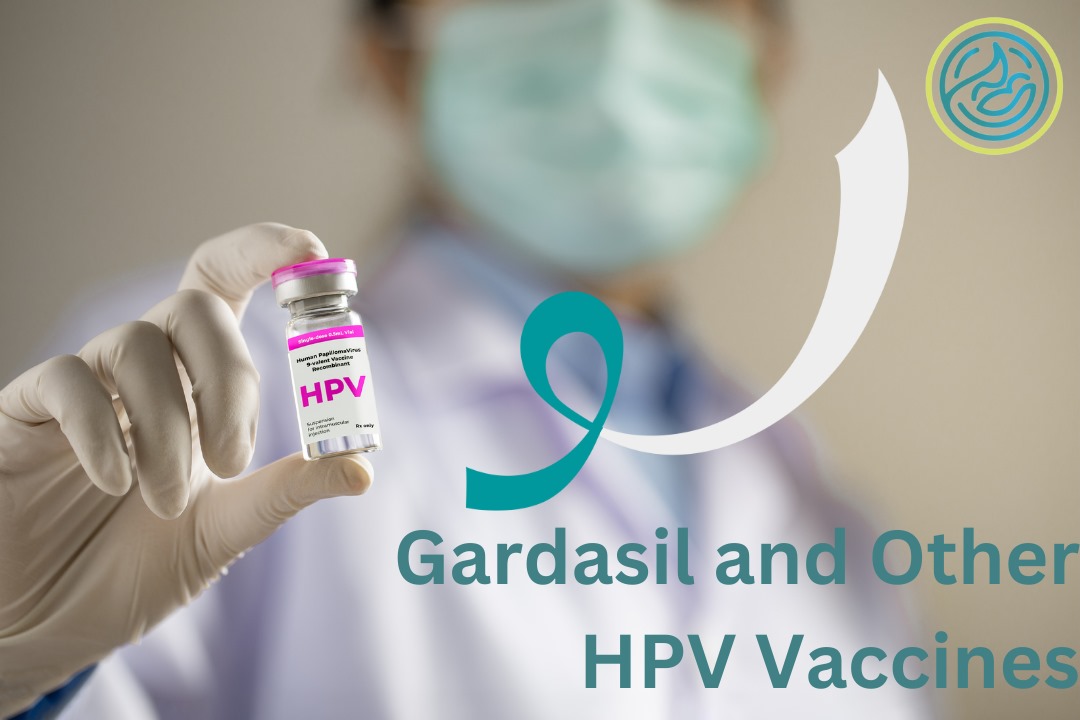
Human Papillomavirus (HPV) vaccines play a crucial role in preventing cervical cancer, a disease that affects millions of women worldwide. In this comprehensive blog post, we will explore the significance of HPV vaccines, their efficacy, and their impact on global health.
Understanding HPV and Cervical Cancer
What Is HPV?
HPV is a common sexually transmitted infection caused by the human papillomavirus. It can lead to various health issues, including genital warts and certain cancers. Among these, cervical cancer is the most concerning.
The Role of HPV Vaccines
HPV vaccines, such as Gardasil and Cervarix, are designed to prevent infection with specific HPV types. These vaccines target the strains responsible for the majority of cervical cancer cases.
- Gardasil:
- Provides protection against nine HPV types (16, 18, 31, 33, 45, 52, 58, 6, and 11).
- These strains cause approximately 75 to 90% of all cervical cancer cases³.
- Also guards against genital warts.
- Administered in a two- or three-dose schedule.
- Cervarix:
- Targets HPV types 16 and 18.
- Responsible for about 60 to 70% of cervical cancer cases³.
- Does not protect against genital warts.
- Typically administered in a two-dose schedule.
Efficacy and Impact
High Efficacy
- Clinical trials have shown that HPV vaccines have close to 100% efficacy in preventing:
- HPV type-related persistent infection.
- Cervical intraepithelial neoplasia (CIN) 2/3.
- Adenocarcinoma in situ (AIS)².
Reducing Cervical Cancer Incidence
- By preventing HPV infection, these vaccines significantly reduce the risk of abnormal changes in cervical cells.
- Fewer cases of cervical cancer mean improved overall health and quality of life for women.
Global Challenges and Recommendations
Low Vaccine Coverage
- Globally, HPV vaccine coverage remains below the 90% target.
- In 2020, global coverage with two doses was only 13%¹.
WHO Recommendations
- The World Health Organization (WHO) emphasizes:
- Single-dose schedules for girls aged 9-14.
- Two-dose schedules for young women aged 15-20.
- Two doses with a 6-month interval for women older than 21.
- Three doses for immunocompromised individuals (if feasible) or at least two doses¹.
A Path Toward Elimination
Cervical Cancer Elimination Initiative
- Launched in 2020, this initiative aims to address vaccine access inequities.
- The single-dose recommendation accelerates progress toward vaccinating 90% of girls by age 15 by 2030.
Conclusion
HPV vaccines are powerful tools in the fight against cervical cancer. By expanding vaccine coverage and prioritizing prevention, we can move closer to eliminating this devastating disease. Remember, early vaccination saves lives and protects future generations.