
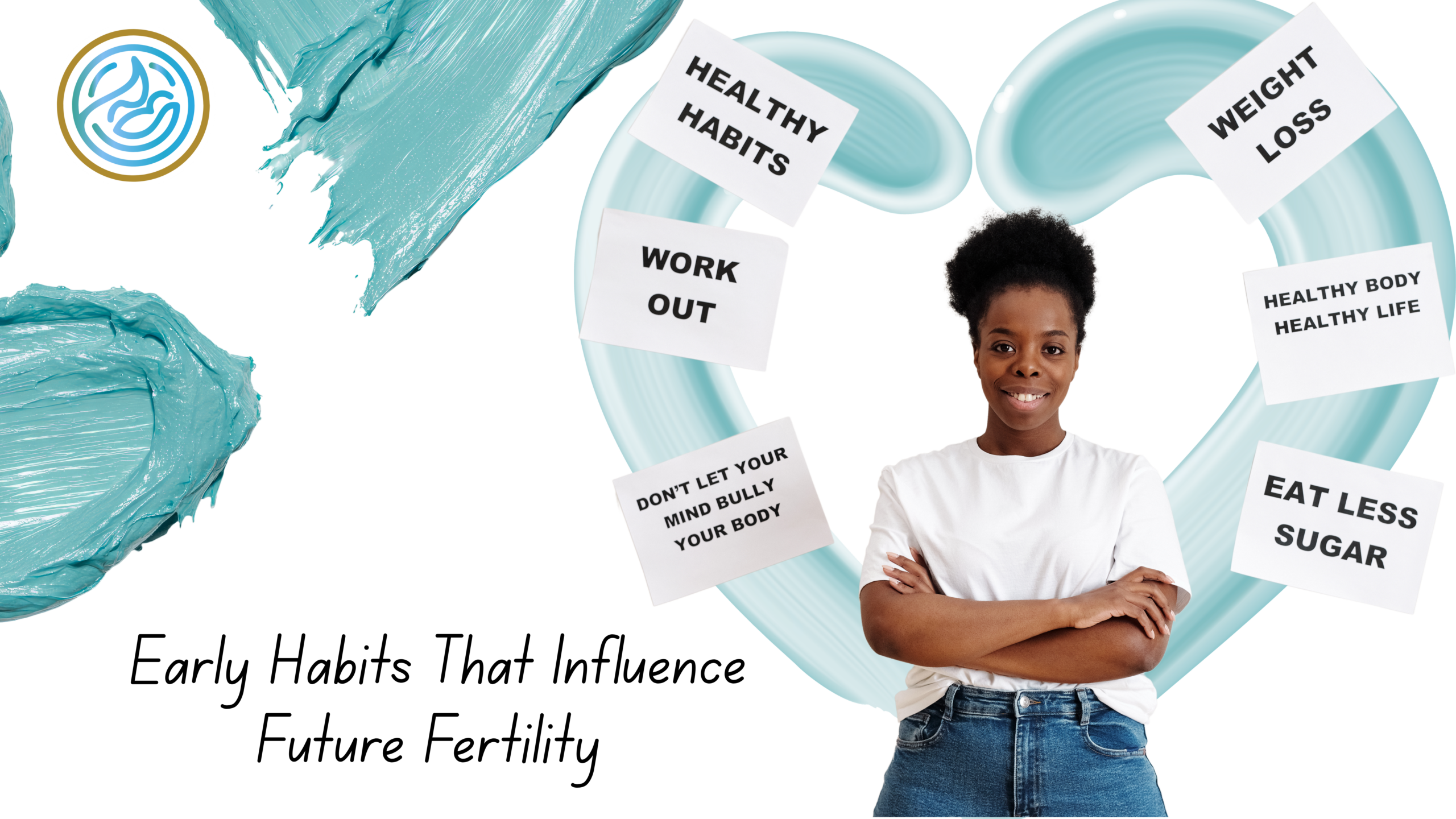
Fertility is often thought of as something that only becomes relevant when a woman is actively trying to conceive. However, reproductive health is shaped years sometimes decades before pregnancy is planned.
Many factors that influence fertility are not sudden medical events, but long-term patterns of lifestyle, hormonal balance, metabolic health, and reproductive system care.
Understanding early habits that shape future fertility allows women to take proactive steps long before challenges arise.
What Does “Future Fertility” Mean?
Future fertility refers to:
- The ability to conceive when desired
- The health of eggs and ovulation patterns
- The uterine environment
- Hormonal and metabolic readiness for pregnancy
It is not only about conception, but about reproductive resilience over time.
Why Early Habits Matter So Much
The reproductive system is sensitive to:
- Hormonal fluctuations
- Inflammation
- Nutrition
- Stress
- Environmental exposure
These influences accumulate over time, meaning that small habits can have long-term effects on fertility outcomes.
1. Menstrual Health Awareness
One of the earliest indicators of reproductive health is the menstrual cycle.
Healthy early habits include:
- Tracking cycle length
- Noticing changes in flow or pain
- Paying attention to ovulation signs
Why it matters:
Irregular cycles early in life may indicate:
- PCOS
- Thyroid dysfunction
- Insulin resistance
- Hormonal imbalance
2. Nutrition and Egg Health
Egg quality is influenced by long-term nutritional status.
Supportive habits:
- Balanced meals with protein and healthy fats
- Iron-rich foods
- Adequate micronutrients (zinc, folate, vitamin D)
Nutritional impact on fertility:
Nutrient | Role in Fertility |
Iron | Supports ovulation and energy |
Folate | DNA development in eggs |
Zinc | Hormone regulation |
Vitamin D | Ovulatory function |
3. Blood Sugar Stability
Insulin plays a major role in reproductive function.
Early habits affecting fertility include:
- Frequent high-sugar intake
- Skipping meals
- Processed carbohydrate-heavy diets
Long-term impact:
- Insulin resistance
- Irregular ovulation
- Hormonal imbalance
- Increased risk of PCOS
4. Chronic Stress Patterns
Stress affects the hypothalamic–pituitary–ovarian (HPO) axis.
Early stress-related habits:
- Poor sleep routines
- Constant overworking
- Emotional suppression
- Lack of recovery time
Fertility impact:
- Irregular ovulation
- Delayed cycles
- Reduced progesterone production
5. Exercise Balance
Movement is essential but balance matters.
Supportive habits:
- Moderate, consistent exercise
- Strength and mobility training
- Avoiding extreme overtraining
Risky patterns:
- Excessive high-intensity training
- Low body fat from over-exercising
- Sedentary lifestyle
Both extremes can disrupt ovulation.
6. Body Weight Stability
Both underweight and overweight states can affect fertility.
Early warning patterns:
- Rapid weight fluctuations
- Difficulty maintaining stable weight
- Central abdominal weight gain
Mechanisms involved:
- Hormonal disruption
- Insulin resistance
- Ovulatory dysfunction
7. Exposure to Inflammation
Chronic low-grade inflammation can affect reproductive health.
Contributing habits:
- Poor diet high in processed foods
- Smoking or environmental toxins
- Untreated infections
- Lack of sleep
Effects:
- Reduced egg quality
- Implantation difficulties
- Hormonal imbalance
8. Reproductive Health Ignorance
Many women are not taught to recognise early symptoms.
Early dismissive habits:
- Ignoring painful periods
- Normalising heavy bleeding
- Delaying medical evaluation
Risk:
- Late diagnosis of endometriosis
- Progression of fibroids
- Undetected hormonal disorders
Symptom Checklist: Early Fertility Risk Indicators
Symptom | Possible Early Fertility Concern |
Painful periods | Endometriosis or inflammation |
Irregular cycles | Ovulation dysfunction |
Acne + weight gain | Hormonal imbalance |
Fatigue + heavy periods | Iron deficiency |
Bloating + cycle pain | Gynaecological condition |
No ovulation signs | Hormonal disruption |
Normal vs Concerning Early Patterns
Feature | Normal Variation | Concerning Pattern |
Cycle length | 24–35 days stable | Increasing irregularity |
Period pain | Mild discomfort | Worsening or disabling pain |
Energy levels | Stable | Chronic fatigue |
Weight changes | Gradual | Rapid or resistant changes |
Ovulation signs | Present monthly | Absent or inconsistent |
9. Sleep Quality
Sleep directly affects hormone production.
Poor sleep leads to:
- Cortisol elevation
- Reduced progesterone
- Irregular cycles
10. Gut and Vaginal Health Connection
The gut influences:
- Hormone metabolism
- Immune balance
- Estrogen regulation
Poor gut health can indirectly affect fertility.
Why These Habits Are Often Overlooked
Because fertility issues are usually only investigated when:
- Pregnancy is attempted
- Symptoms become severe
- Irregular cycles become obvious
By then, underlying patterns may already be established.
The Concept of “Reproductive Reserve”
Reproductive health is influenced by long-term “reserve capacity,” including:
- Egg quality
- Hormonal stability
- Uterine health
- Metabolic balance
Healthy habits preserve this reserve over time.
When to Seek Medical Advice Early
Women should consider evaluation if they experience:
- Persistent cycle irregularity
- Severe period pain
- Signs of hormonal imbalance
- Difficulty maintaining stable weight
- Recurrent fatigue or inflammation symptoms
How to Build Fertility-Supportive Habits Early
1. Track your cycle regularly
2. Maintain balanced nutrition
3. Manage stress proactively
4. Avoid extreme lifestyle patterns
5. Address symptoms early, not late
Final Thoughts
Fertility is not defined only at the moment of conception, it is shaped gradually by everyday habits, health patterns, and lifestyle choices.
Early awareness allows women to protect reproductive health long before it becomes a concern. Small, consistent habits can significantly influence hormonal balance, egg health, and long-term reproductive outcomes.
The goal is not fear, it is prevention, awareness, and empowerment.