
Introduction
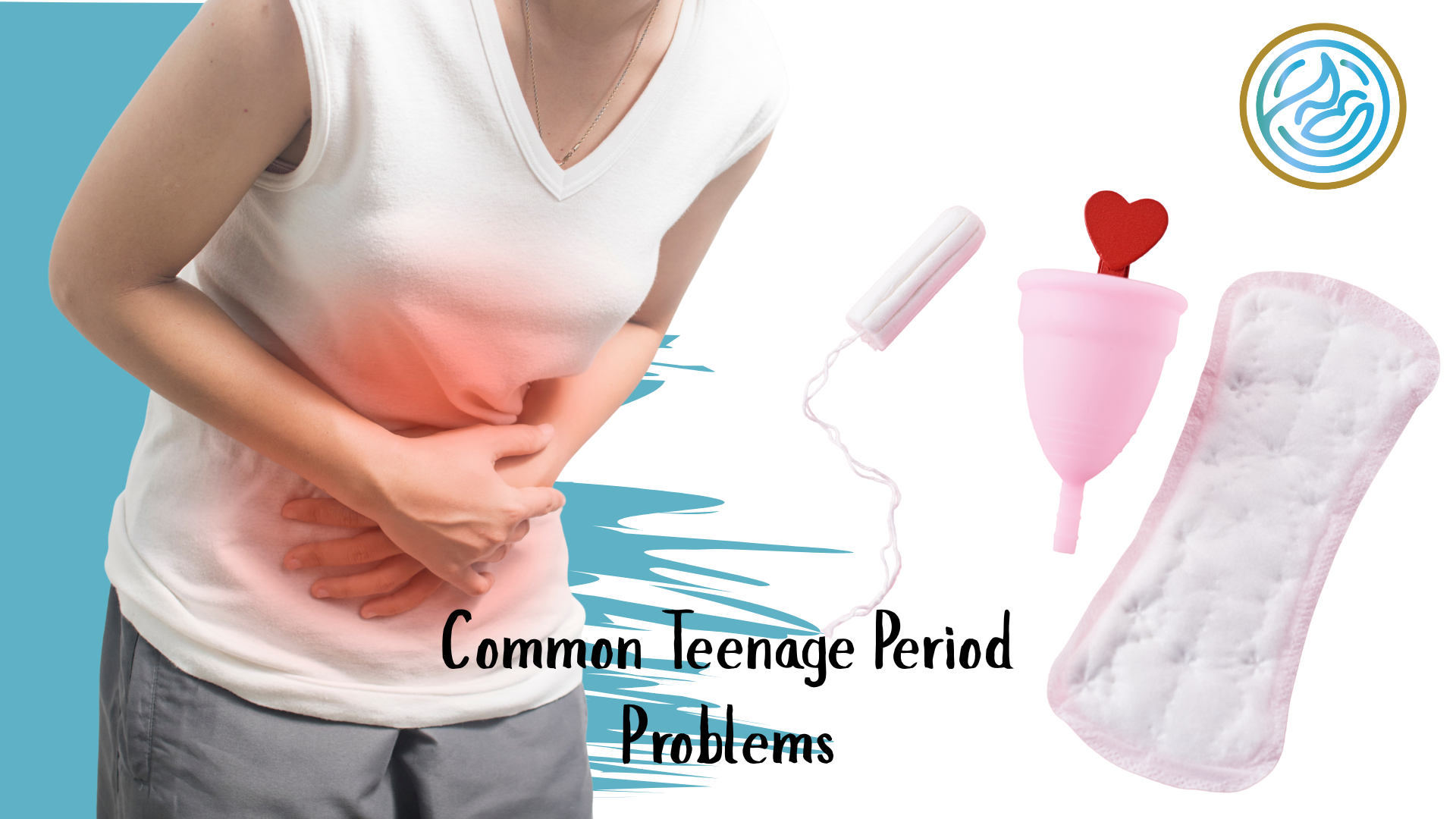
Menstruation marks a major milestone in adolescence, but for many teenagers, periods come with challenges and discomforts. From cramps to irregular cycles, understanding these common issues helps teens manage them effectively and recognize when medical attention is needed.
This blog explores common period problems in teenagers, their causes, and practical solutions.
Common Teenage Period Problems
| Problem | Description | Typical Causes |
|---|---|---|
| Dysmenorrhea (Painful Periods) | Cramping in the lower abdomen, back pain | High prostaglandin levels causing uterine contractions |
| Irregular Periods | Inconsistent cycle length or missed periods | Hormonal fluctuations during early reproductive years |
| Heavy Menstrual Bleeding | Soaking through pads/tampons in <2 hours or clots | Hormonal imbalances, fibroids, bleeding disorders |
| Premenstrual Syndrome (PMS) | Mood swings, irritability, bloating, breast tenderness | Hormonal changes in the luteal phase |
| Acne and Skin Changes | Breakouts around menstruation | Hormonal fluctuations, increased sebum production |
| Mood Swings / Emotional Changes | Anxiety, sadness, or irritability | Hormonal influence and stress |
| Fatigue | Low energy or tiredness | Blood loss, iron deficiency, hormonal changes |
Dysmenorrhea (Painful Periods)
- Primary dysmenorrhea: Caused by natural prostaglandins; common in teens.
- Secondary dysmenorrhea: Linked to conditions like endometriosis or pelvic infections; less common but requires medical evaluation.
Tips for Relief:
- Over-the-counter pain relief (e.g., ibuprofen)
- Heat therapy (hot water bottle or heating pad)
- Light exercise and stretching
- Adequate hydration and balanced diet
Irregular Periods
- Normal for teens to have cycles ranging 21–45 days during the first few years.
- Common causes:
- Immature hypothalamic-pituitary-ovarian axis
- Stress or major lifestyle changes
- Extreme exercise or significant weight changes
When to See a Doctor:
- No period by age 15
- Cycles shorter than 21 days or longer than 45 consistently
- Very heavy or prolonged bleeding
Premenstrual Syndrome (PMS)
- PMS affects 50–80% of menstruating teens.
- Symptoms may include:
- Mood swings, irritability, or anxiety
- Bloating, breast tenderness
- Fatigue, headaches, or food cravings
Management:
- Balanced diet rich in fruits, vegetables, and whole grains
- Exercise regularly
- Adequate sleep
- Stress management techniques like mindfulness or journaling
Acne and Skin Changes
- Hormonal fluctuations during menstrual cycles can trigger acne.
- Sebum production increases, leading to clogged pores and breakouts.
Tips:
- Maintain gentle skincare routine
- Avoid over-scrubbing
- Consult dermatologist for persistent severe acne
Mood Swings and Emotional Changes
- Hormonal shifts, social pressures, and sleep disruptions can amplify emotional reactions.
- Supportive measures include:
- Open communication with parents or caregivers
- Journaling or expressing emotions through art
- Practicing relaxation techniques like deep breathing or meditation
Fatigue and Energy Management
- Blood loss, hormonal changes, and lifestyle factors contribute to fatigue.
- Solutions:
- Iron-rich foods (spinach, beans, lean meat)
- Adequate sleep (8–10 hours for teens)
- Regular physical activity to boost energy
When to Seek Medical Attention
| Red Flag | Reason |
|---|---|
| Very heavy bleeding | Risk of anemia or underlying disorders |
| Severe cramps unrelieved by medication | Possible endometriosis or other conditions |
| Absence of periods for 3+ months | Could indicate hormonal or structural issues |
| Sudden worsening of symptoms | Need for professional evaluation |
Encouraging Healthy Period Habits
- Track menstrual cycles using a calendar or period app
- Maintain good hygiene: change pads/tampons regularly
- Wear comfortable clothing during menstruation
- Encourage healthy lifestyle: balanced diet, hydration, exercise, and sleep
Key Takeaways
- Menstrual issues are common in teenagers but vary in severity.
- Most period problems are due to normal hormonal changes, but persistent or severe symptoms require medical attention.
- Management includes self-care strategies, lifestyle adjustments, and education about menstruation.
- Open communication with parents, caregivers, or healthcare providers improves awareness and support.
Final Word
Periods are a normal part of teenage development, but they can come with challenges. By understanding common period problems and how to manage them, teens can navigate menstruation with confidence and comfort, reducing stress and promoting overall health. Awareness, self-care, and professional guidance when necessary ensure a positive menstrual experience during adolescence.