
What causes bleeding after intercourse, when it may be harmless, and why recurring symptoms should never be ignored
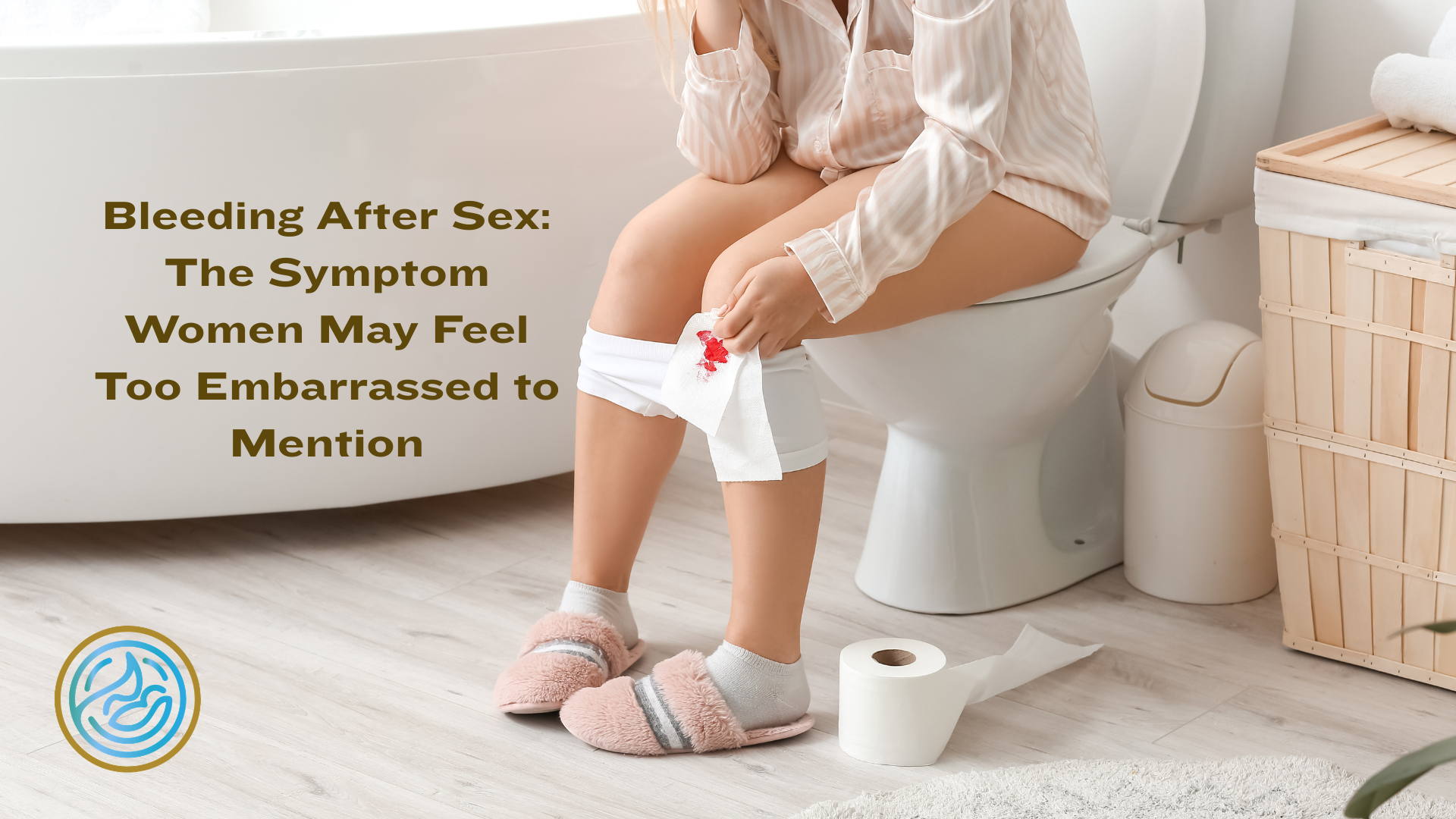
You have just had sex, and when you go to the bathroom, you notice blood on the toilet paper or your underwear. Perhaps it is only a few pink spots, or maybe you notice fresh red blood that leaves you wondering where it came from.
You might assume that sex was too rough, that your period is starting or that you simply need to be more careful next time. If the bleeding stops quickly and you feel fine, you may decide not to mention it to anyone.
For many women, bleeding after sex is an uncomfortable topic to raise, even during a gynaecological appointment. Some worry that they will be judged, while others are afraid that the symptom could indicate something serious.
The truth is that bleeding after intercourse can have several causes. Some are relatively minor and treatable, while others require further investigation.
Bleeding after sex should not automatically be assumed to be harmless, especially if it happens repeatedly. Understanding the possible causes can help you know when to seek care and what to expect during an assessment.
1. What is bleeding after sex?
Bleeding after sex, medically known as postcoital bleeding, refers to bleeding that occurs during or after sexual intercourse and is not simply your expected menstrual period.
It may appear as:
- A few pink or red spots on toilet paper.
- Blood on underwear or bedsheets.
- Light bleeding that stops shortly after sex.
- Bleeding that continues for longer than expected.
- Bleeding accompanied by pain, unusual discharge or discomfort.
The amount of blood does not reliably identify the cause. A small amount of bleeding can have several explanations, and even light bleeding that keeps returning deserves assessment.
Bleeding may come from the vaginal walls, the cervix or, less commonly, the uterus or other parts of the reproductive tract. Sometimes the source is a small injury or irritation.
If you have gone through menopause, any vaginal bleeding should be assessed, even if it occurs only once after sex.
2. Could sex itself be causing the bleeding?
Yes. Friction during intercourse can sometimes irritate delicate vaginal tissue, particularly when there is not enough lubrication or when penetration is uncomfortable.
Possible reasons include:
- Vaginal dryness.
- Vigorous or prolonged intercourse.
- Small tears around the vaginal opening.
- Irritation from certain lubricants or products.
- Existing inflammation of the vaginal tissue.
If the bleeding is caused by minor friction, it may be brief and associated with soreness. However, you should not repeatedly experience bleeding simply because sex is part of your routine.
If intercourse is painful or causes bleeding, pause sexual activity until the discomfort settles. Consider a suitable lubricant, but arrange an assessment if bleeding recurs, pain persists or the cause is unclear.
Severe pain, heavy bleeding or a deep vaginal injury requires urgent medical attention.
3. Can vaginal dryness cause bleeding after sex?
Vaginal dryness can make the tissue more vulnerable to friction and small tears.
It can occur at different stages of life, including:
During breastfeeding: Oestrogen levels may be lower, which can reduce vaginal lubrication and contribute to discomfort during sex.
Around menopause: Declining oestrogen can cause vaginal tissue to become thinner, drier and less elastic. This is part of genitourinary syndrome of menopause.
During certain treatments: Some medications or cancer treatments may affect vaginal lubrication or tissue health.
When arousal is insufficient: Some women need more time, stimulation or lubrication before penetration feels comfortable.
A water-based or silicone-based lubricant may help reduce friction. If dryness is persistent, a healthcare professional can discuss other options, including vaginal moisturisers or prescribed treatment when appropriate.
Do not assume that dryness explains all bleeding. Other causes may need to be excluded, particularly when symptoms recur.
4. Could your cervix be responsible?
The cervix is the lower part of the uterus that opens into the vagina. Because it contains delicate tissue and blood vessels, some cervical conditions can cause bleeding after contact.
Cervical ectropion
Cervical ectropion occurs when softer cells normally found inside the cervical canal are visible on the outer surface of the cervix.
These cells can bleed more easily when touched during sex or a cervical examination.
Cervical ectropion is often harmless and can occur in women who are pregnant, use certain hormonal contraceptives or are in their reproductive years.
However, a clinician should confirm the diagnosis rather than assuming that ectropion is responsible for unexplained bleeding.
Cervical polyps
Cervical polyps are usually benign growths on the cervix. They may cause spotting after sex, bleeding between periods or unusual discharge.
Some require no treatment, while others may be removed or sent for laboratory assessment, depending on their appearance and the clinical findings.
Cervicitis
Cervicitis is inflammation of the cervix. It can cause bleeding after sex, unusual discharge or discomfort.
It may be associated with sexually transmitted infections such as chlamydia or gonorrhoea, but non-infectious causes are also possible.
Testing and treatment depend on the suspected cause. If an STI is diagnosed, partner testing or treatment may be necessary.
5. Could bleeding after sex be a sign of cervical cancer?
This is one of the reasons recurrent bleeding after intercourse should not be ignored.
Cervical cancer can cause bleeding after sex, bleeding between periods or unusual vaginal discharge. However, these symptoms can also occur with many non-cancerous conditions.
Bleeding after sex does not mean you have cervical cancer. It does mean that a cause should be considered, especially if the bleeding is unexplained or keeps returning.
Cervical cancer is commonly associated with persistent infection by high-risk types of human papillomavirus (HPV). Changes in cervical cells can develop over time, and early cervical disease may cause no obvious symptoms.
Cervical screening can identify certain cervical changes before they progress. Depending on your age, history and the screening programme available to you, this may involve HPV testing, cervical cytology or other recommended approaches.
Screening is not a substitute for investigating symptoms. If you are bleeding after sex, do not simply wait for your next routine screening appointment.
A clinician may recommend a speculum examination, cervical testing, colposcopy or a biopsy if findings warrant further investigation.
6. What if you are pregnant or recently gave birth?
Pregnancy increases blood flow to the cervix, making it more sensitive. Some women experience light spotting after sex during pregnancy.
Nevertheless, vaginal bleeding during pregnancy should be discussed with your maternity care provider because the cause cannot be determined from the amount or colour of the blood alone.
Seek urgent care if bleeding is heavy, or if it occurs with abdominal pain, severe cramping, dizziness, faintness or fluid leakage.
After childbirth, vaginal tissue may still be healing, particularly following tears, an episiotomy or other birth-related injuries. Hormonal changes during breastfeeding may also contribute to dryness and discomfort.
Do not resume intercourse until you feel physically ready and any birth-related wounds have healed sufficiently. If sex causes bleeding or significant pain, stop and seek advice rather than pushing through the discomfort.
7. Could it be your period instead?
Sometimes bleeding that occurs after sex coincides with the beginning or end of menstruation.
However, timing alone cannot confirm that the blood is menstrual.
Bleeding between periods may also be associated with hormonal contraception, changes in the menstrual cycle, cervical conditions or other gynaecological causes.
If you repeatedly bleed after intercourse, keep track of where you are in your cycle and whether the bleeding occurs exclusively after sex. This information can help your clinician, but it should not replace assessment when symptoms are unexplained.
8. Normal spotting versus bleeding that needs assessment
| Symptom or situation | What it may mean | Recommended action |
|---|---|---|
| A single small spot after sex with noticeable dryness | Friction or minor irritation may be responsible | Monitor, avoid further irritation and seek care if it recurs |
| Repeated spotting after intercourse | Cervical, vaginal or other causes need consideration | Arrange a gynaecological assessment |
| Bleeding with unusual discharge or burning | Infection or inflammation may be present | Arrange assessment and appropriate testing |
| Bleeding with painful intercourse | Dryness, injury, pelvic conditions or other causes are possible | Stop painful activity and seek assessment |
| Bleeding after menopause | Requires investigation | Arrange prompt medical assessment |
| Heavy bleeding, faintness or severe pelvic pain | A potentially urgent condition may be present | Seek emergency medical care |
| Bleeding during pregnancy | Several causes are possible | Contact your maternity care provider promptly |
This table is a guide, not a diagnostic tool. The cause of bleeding cannot reliably be determined from its appearance alone.
9. What happens when you visit a gynaecologist?
If you report bleeding after sex, your clinician will usually begin by asking about your symptoms and medical history.
They may ask:
- When the bleeding started and how often it occurs.
- Whether it happens after every sexual encounter.
- Whether you experience pain, dryness or unusual discharge.
- When your last period occurred.
- Whether pregnancy is possible.
- Your contraception and sexual health history.
- When you last had cervical screening and whether you have had abnormal results.
Depending on your circumstances, assessment may include:
A pregnancy test: If pregnancy is possible, testing may help guide the next steps.
A speculum examination: This allows the clinician to inspect the vaginal walls and cervix for irritation, tears, polyps, inflammation or other abnormalities.
STI testing: Swabs or urine tests may be recommended if infection is suspected.
Cervical screening or colposcopy: Further examination may be appropriate depending on your screening history and the appearance of the cervix.
Ultrasound or other investigations: These may be considered if your symptoms suggest a problem involving the uterus or other pelvic structures.
Not every woman needs every investigation. The assessment should be tailored to your symptoms, age, medical history and examination findings.
10. What can you do to reduce irritation while waiting for assessment?
If the bleeding is light and you feel otherwise well, practical measures may help reduce further irritation. These measures do not replace medical assessment when bleeding is unexplained or recurrent.
-
Pause penetration if it causes pain or bleeding.
-
Allow time for any minor irritation to settle.
-
Use an appropriate lubricant if dryness is contributing.
-
Avoid inserting scented products or home remedies into the vagina.
-
Record when bleeding occurs and how long it lasts.
-
Note any associated symptoms, including pain, discharge or changes in your menstrual cycle.
-
Arrange an assessment if bleeding returns or you are uncertain about the cause.
Do not use leftover antibiotics or vaginal medication to treat unexplained bleeding.
In South Africa, you can seek help at a local clinic, community health centre, GP or gynaecologist. If bleeding is heavy or you feel faint or seriously unwell, seek emergency care rather than waiting for a routine appointment.
11. Frequently asked questions
Can bleeding after sex happen even if I have never had an STI?
Yes. Bleeding can result from dryness, friction, cervical ectropion, polyps, hormonal changes and other conditions. However, STI testing may still be appropriate depending on your symptoms and sexual health history.
Does bleeding after sex mean my partner has injured me?
Not necessarily. Some conditions cause the cervix or vaginal tissue to bleed easily, even without rough intercourse. If you experience pain, feel unsafe or suspect that sexual activity was not consensual, seek appropriate medical and personal support.
Can I have cervical cancer without other symptoms?
Yes. Early cervical changes and some early cancers may not cause noticeable symptoms. This is why screening matters and why unexplained bleeding should be investigated rather than dismissed.
Should I wait to see whether it happens again?
If the bleeding is a single tiny spot after obvious friction and you have no other symptoms, it may be reasonable to monitor briefly. However, arrange an assessment if the cause is unclear, if bleeding recurs, or if you are pregnant or postmenopausal.
Can contraception cause bleeding after sex?
Hormonal contraception can cause irregular spotting, but repeated bleeding specifically after intercourse still deserves assessment to check for other causes.
The bottom line
Bleeding after sex can result from vaginal dryness, friction, cervical ectropion, polyps, infections or other gynaecological conditions. In some cases, it can be a symptom of cervical or other reproductive tract disease.
It is understandable to feel embarrassed, but healthcare professionals assess these symptoms routinely. You do not need to feel ashamed or wait until the bleeding becomes severe before asking for help.
If you repeatedly notice blood after sex, arrange a medical assessment. Identifying the cause can help you receive the right treatment, protect your reproductive health and feel more comfortable discussing intimacy with your healthcare provider.