
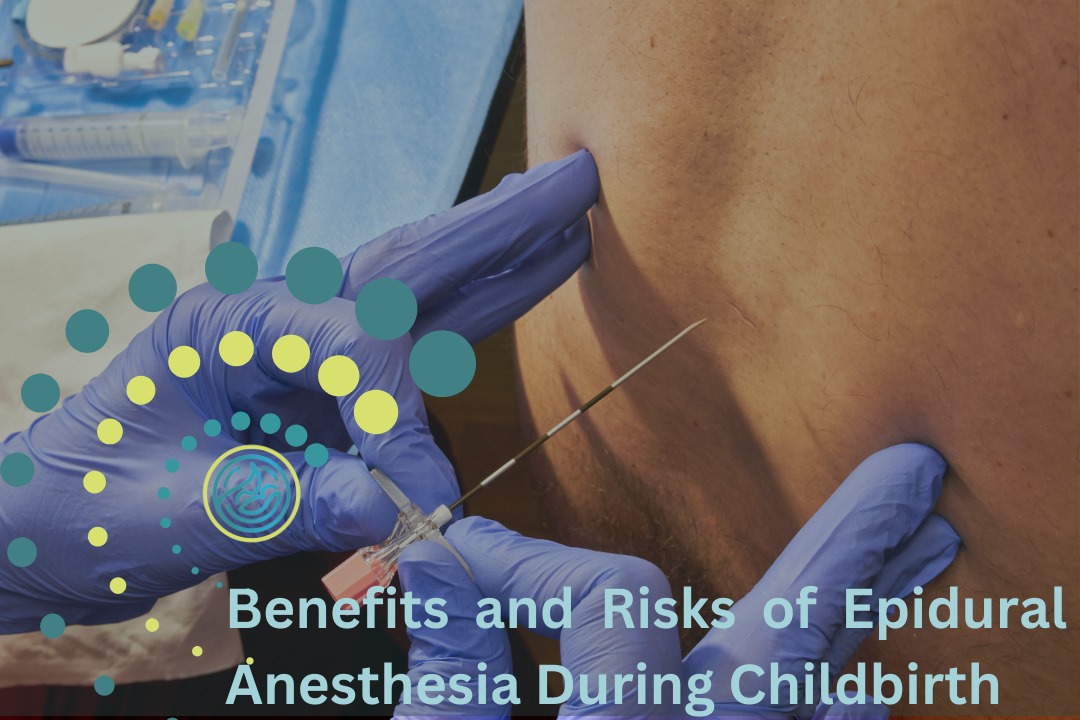
Epidural anesthesia is a common pain management option during childbirth. It provides effective relief from labor pain, allowing women to experience childbirth with greater comfort. However, like any medical intervention, epidurals come with both benefits and risks. Let’s explore them in detail:
Benefits of Epidural Anesthesia
- Effective Pain Relief: Epidurals provide excellent pain relief during labor. They block nerve signals from the lower part of the body, allowing you to manage contractions more comfortably.
- Improved Birth Experience: By reducing pain, epidurals can enhance your overall birthing experience. You can focus on the joy of meeting your baby rather than intense discomfort.
- Flexibility: Epidurals can be adjusted to your needs. If labor progresses slowly or if you require a cesarean section, the anesthesia team can adapt the dosage accordingly.
- Reduced Stress: Labor can be physically and emotionally draining. Epidurals help reduce stress and anxiety, allowing you to conserve energy for the pushing stage.
- Extended Rest: If you’ve been in labor for an extended period, an epidural can provide much-needed rest. This can be especially beneficial if you’re exhausted.
Risks and Considerations
- Temporary Side Effects:
- Low Blood Pressure: Epidurals can cause a drop in blood pressure. You’ll be closely monitored, and adjustments can be made if needed.
- Numbness and Weakness: Epidurals may affect your ability to move your legs temporarily.
- Itching: Some women experience mild itching after receiving an epidural.
- Longer Labor: Epidurals can slow down labor, leading to longer pushing stages. However, this isn’t always the case.
- Headache: Rarely, an epidural can cause a postpartum headache due to a small leak of spinal fluid. This can be treated if it occurs.
- Back Pain: Some women experience back pain at the injection site after childbirth.
- Risk of Infection or Bleeding: Although rare, there’s a minimal risk of infection or bleeding at the injection site.
- Limited Mobility: While epidurals provide pain relief, they can limit your ability to move freely during labor.
Personal Choice
Discuss epidural anesthesia with your healthcare provider. Consider your pain tolerance, preferences, and overall health. Remember that every woman’s experience is unique, and there’s no one-size-fits-all approach. Make an informed decision that aligns with your birth plan and goals.