
Bacterial Vaginosis (BV) is the most common vaginal infection among women of reproductive age, yet it remains widely misunderstood. Caused by an imbalance in vaginal bacteria, BV is not classified as a sexually transmitted infection (STI), though sexual activity can influence its development.
In this blog, we’ll cover:
What bacterial vaginosis is
Common symptoms
Causes and risk factors
How it’s diagnosed
Treatment options
Recurrence and prevention tips
When to seek medical help
What Is Bacterial Vaginosis?
The vagina naturally contains a mix of “good” and “bad” bacteria. Normally, lactobacilli (good bacteria) dominate and maintain an acidic environment (low pH) that protects against infections.
Bacterial Vaginosis occurs when there’s a reduction in lactobacilli and an overgrowth of harmful bacteria such as Gardnerella vaginalis. This imbalance disrupts the natural flora and leads to symptoms, though many cases are asymptomatic.
Symptoms of Bacterial Vaginosis
While some women have no symptoms, those who do may experience:
| Symptom | Description |
|---|---|
| Unusual discharge | Thin, grey or white discharge, often more noticeable after sex |
| Foul odor | Fishy smell, especially after intercourse |
| Vaginal itching | Mild irritation or discomfort |
| Burning sensation | Particularly during urination |
| Vaginal dryness | Less common but may occur |
Important: BV is different from yeast infections, which usually cause thick, white discharge and intense itching.
Bacterial Vaginosis vs. Other Vaginal Infections
| Condition | Discharge | Odor | Itching | Cause |
|---|---|---|---|---|
| BV | Thin, gray/white | Fishy | Mild or none | Bacterial imbalance |
| Yeast Infection | Thick, white (like cottage cheese) | None | Intense | Overgrowth of yeast (Candida) |
| Trichomoniasis | Frothy, yellow-green | Strong, unpleasant | Common | STI (protozoan parasite) |
What Causes BV?
BV is not an STI, but certain behaviors can increase the risk:
| Risk Factor | Explanation |
|---|---|
| Multiple sex partners | May introduce new bacteria that upset vaginal balance |
| Douching | Removes protective bacteria, increasing infection risk |
| Lack of condom use | Semen raises vaginal pH, favoring harmful bacteria |
| Smoking | Affects immune response and vaginal health |
| Hormonal changes | Menstruation and contraceptive methods can impact flora |
BV is more common among sexually active women, but it can also affect women who are not sexually active.
How Is BV Diagnosed?
Diagnosis is usually made during a pelvic exam and involves:
Discussion of Symptoms
Physical Examination
Your doctor may inspect the vaginal walls and discharge.
Lab Tests
Vaginal swab sent for microscopic analysis or pH test.
Amsel Criteria for Diagnosis (Must Meet at Least 3 of 4):
| Criterion | Detail |
|---|---|
| Discharge | Thin, homogeneous |
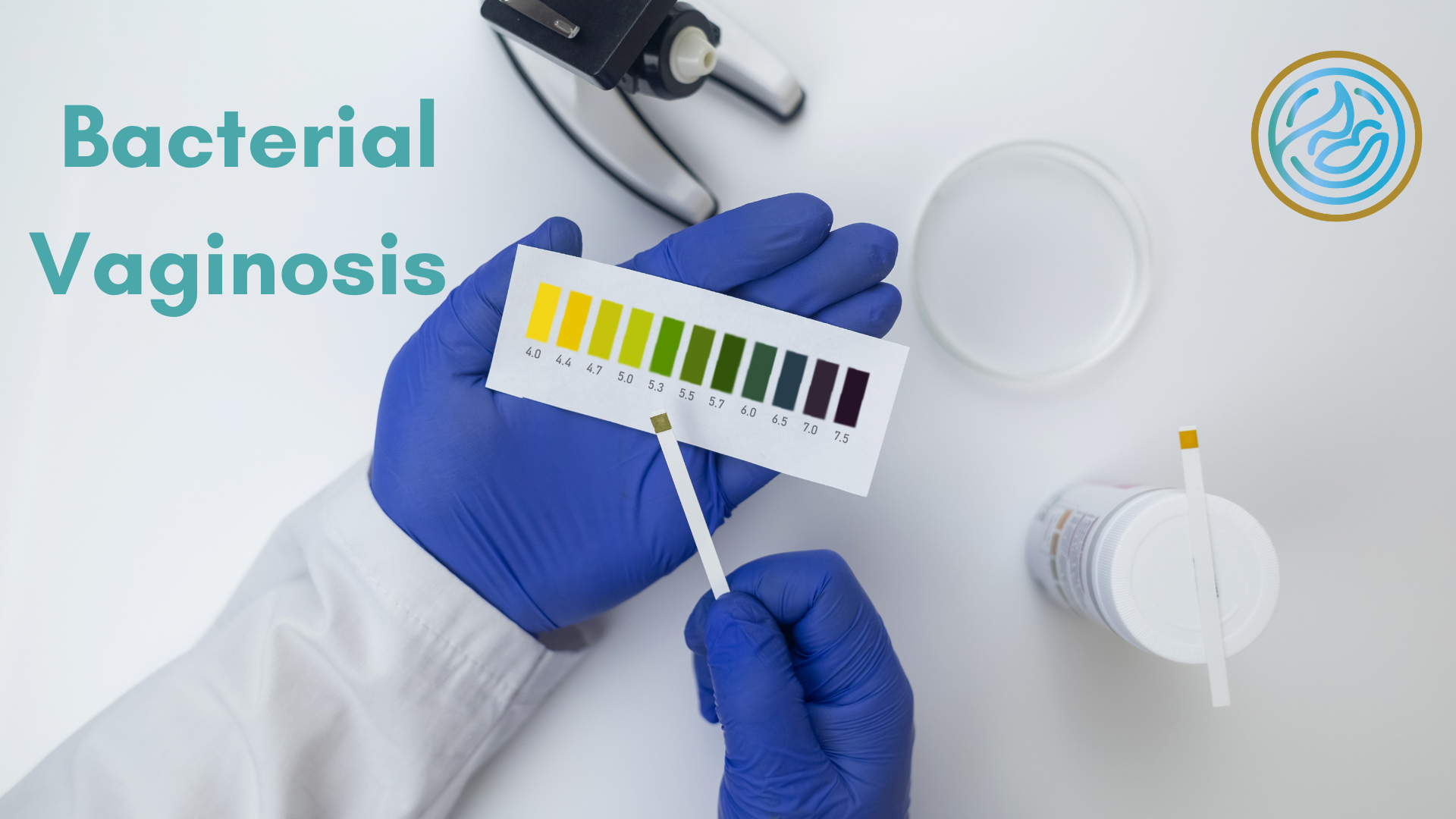
| Vaginal pH > 4.5 | Indicates less acidic environment |
| Positive “whiff” test | Fishy odor when potassium hydroxide is added |
| Clue cells on microscope | Vaginal cells coated with bacteria |
Treatment Options
1. Antibiotics
| Medication | Form | Duration |
|---|---|---|
| Metronidazole | Oral or vaginal gel | 5–7 days |
| Clindamycin | Vaginal cream or oral | 5–7 days |
| Tinidazole | Oral | Alternative if others fail |
Note: It’s important to complete the full course even if symptoms resolve early.
2. Probiotics (Supportive)
Some studies suggest lactobacillus supplements may help restore healthy bacteria, especially when used alongside antibiotics.
3. Partner Treatment
Treating sexual partners is not usually recommended unless there are recurrent cases or other infections present.
Recurrence: Why Does It Come Back?
Up to 50–70% of women experience recurrence within 6 months of treatment. Possible reasons include:
Reintroduction of disruptive bacteria (from semen or douching)
Incomplete eradication of infection
Lack of supportive vaginal flora (lactobacilli)
Hormonal fluctuations
Strategies to Reduce Recurrence
| Action | How It Helps |
|---|---|
| Avoid douching | Maintains natural flora |
| Use condoms | Prevents pH imbalance from semen |
| Take probiotics | Supports healthy bacteria |
| Limit new sexual partners | Reduces exposure to unfamiliar bacteria |
| Maintain hygiene | Gently clean external genital area only |
Bacterial Vaginosis in Pregnancy
BV during pregnancy is associated with complications such as:
Preterm labor
Low birth weight
Premature rupture of membranes
Treatment is safe and important. Always inform your doctor if you are pregnant and experiencing symptoms.
When to See a Doctor
Seek medical care if:
You notice a strong or unusual vaginal odor
You have abnormal discharge that’s persistent
Symptoms return after treatment
You experience pain during sex or urination
You are pregnant and suspect BV
BV can sometimes increase the risk of acquiring other infections, including HIV and STIs, so proper diagnosis is key.
Living with BV: Coping and Self-Care
While BV can be uncomfortable and frustrating, it is treatable. With awareness and prevention strategies, most women can manage or avoid recurrent infections.
| Tip | Description |
|---|---|
| Cotton underwear | Allows airflow, reduces moisture |
| Avoid scented products | No perfumes or scented soaps near the vagina |
| Proper wiping technique | Front to back to avoid spreading bacteria |
| Regular check-ups | Especially if you’re prone to infections |
Conclusion
Bacterial Vaginosis may not be a life-threatening condition, but it can greatly impact a woman’s comfort and confidence. Understanding the signs, treatment options, and preventive care can help you stay one step ahead of this common imbalance.
Always speak to your healthcare provider if you’re unsure about symptoms or treatment. With the right care, BV is manageable and preventable.