
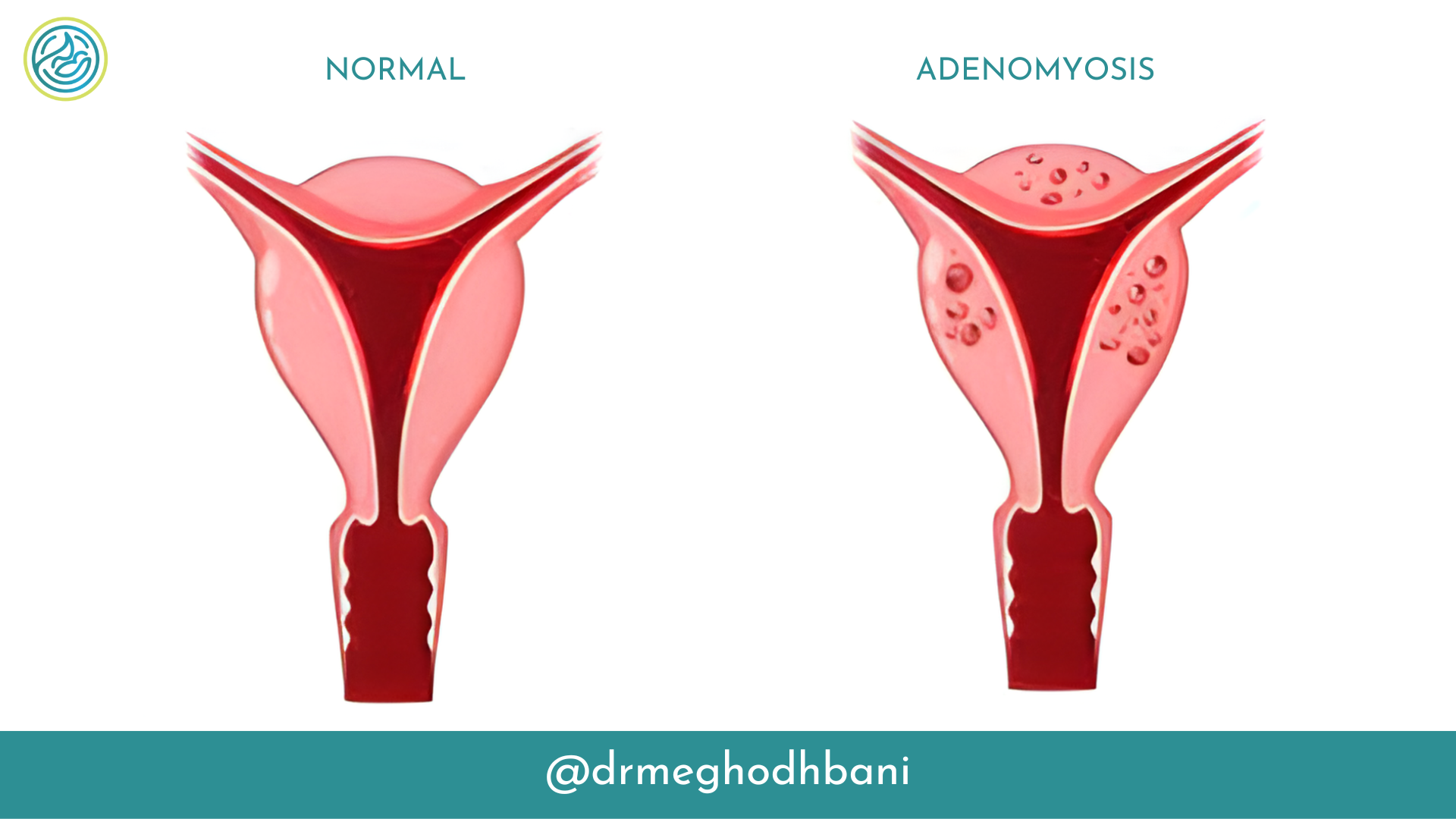
Adenomyosis is a condition that affects the uterus, causing pain and discomfort for many women. Despite its prevalence, it often goes undiagnosed or is mistaken for other reproductive health issues. This article aims to shed light on adenomyosis, exploring its causes, symptoms, diagnosis, and available treatment options.
What is Adenomyosis?
Adenomyosis is a medical condition where the inner lining of the uterus, known as the endometrium, breaks through the muscle wall of the uterus, the myometrium. This displacement of tissue can lead to various symptoms and health concerns.
Causes and Risk Factors:
While the exact cause of adenomyosis remains unclear, several factors are believed to contribute to its development. Hormonal imbalances, specifically an excess of estrogen relative to progesterone, are thought to play a role. Other factors may include inflammation, uterine trauma, or genetic predisposition.
Symptoms:
Adenomyosis often manifests with symptoms that mimic those of other reproductive conditions, making it challenging to diagnose. Common symptoms include:
1. Menstrual Pain: Increased and prolonged menstrual cramps are a hallmark of adenomyosis.
2. Heavy Menstrual Bleeding: Women with adenomyosis may experience heavier than normal menstrual bleeding.
3. Pelvic Discomfort: A constant dull pelvic pain or pressure is often reported.
4. Painful Intercourse: Sexual intercourse may become painful due to the changes in the uterine tissue.
Diagnosis:
Diagnosing adenomyosis can be challenging, as its symptoms overlap with those of other gynecological conditions. The following diagnostic approaches are commonly employed:
1. Clinical Evaluation: A thorough medical history and physical examination help identify potential symptoms and risk factors.
2. Imaging Studies: Ultrasound, magnetic resonance imaging (MRI), or sonohysterography can provide visual insights into the uterine structure, aiding in diagnosis.
3. Biopsy: In some cases, a biopsy may be performed to confirm the presence of adenomyosis by examining a sample of uterine tissue.
Treatment Options:
Treatment for adenomyosis varies depending on the severity of symptoms and the individual’s reproductive plans. Common approaches include:
1. Pain Medications: Over-the-counter pain relievers may help manage discomfort.
2. Hormonal Therapy: Birth control pills, hormonal IUDs, or other hormone-based therapies can regulate menstrual cycles and alleviate symptoms.
3. Uterine Artery Embolization (UAE): This minimally invasive procedure aims to reduce blood flow to the affected tissue, alleviating symptoms.
4. Surgery: In severe cases or for those not planning to conceive, a hysterectomy (removal of the uterus) may be recommended.
Conclusion:
Adenomyosis, though often overshadowed by other reproductive health issues, significantly impacts the quality of life for many women. Increased awareness, early diagnosis, and personalized treatment plans can contribute to better management of this condition. If experiencing persistent pelvic pain or unusual menstrual symptoms, seeking prompt medical attention is crucial for an accurate diagnosis and appropriate care.